
Defense as a catalyst for R&D&I?

Know Hub News
· Santiago

In the early 1970s, a U.S. defense contractor with the descriptive name “Survival Technology” won a tender that would change the lives of millions of people for the better (although that would still take many years).
At the time, the Pentagon, anticipating a geopolitical scenario in which one of its adversaries might use chemical weapons, commissioned the development of a portable device that would allow its troops to self-administer the antidote quickly, safely and without much training. Almost a decade later, the widespread use of this type of weapon during the Iran-Iraq war demonstrated the need for the technology that, years later and in the civilian (or dual) market, would become known as the “EpiPen”, and which, thanks to the vision of one of the engineers in charge of the project, became an indispensable weapon for people with severe allergies.
Like this one, there are many examples of military technology, from the internet to the microwave oven, that were born shaped by a specific geopolitical reality and tactical specifications, and that decades later have become part of our daily lives thanks to systematic collaboration between defense and the civilian world of universities, research centers, companies and investors (“the ecosystem”).
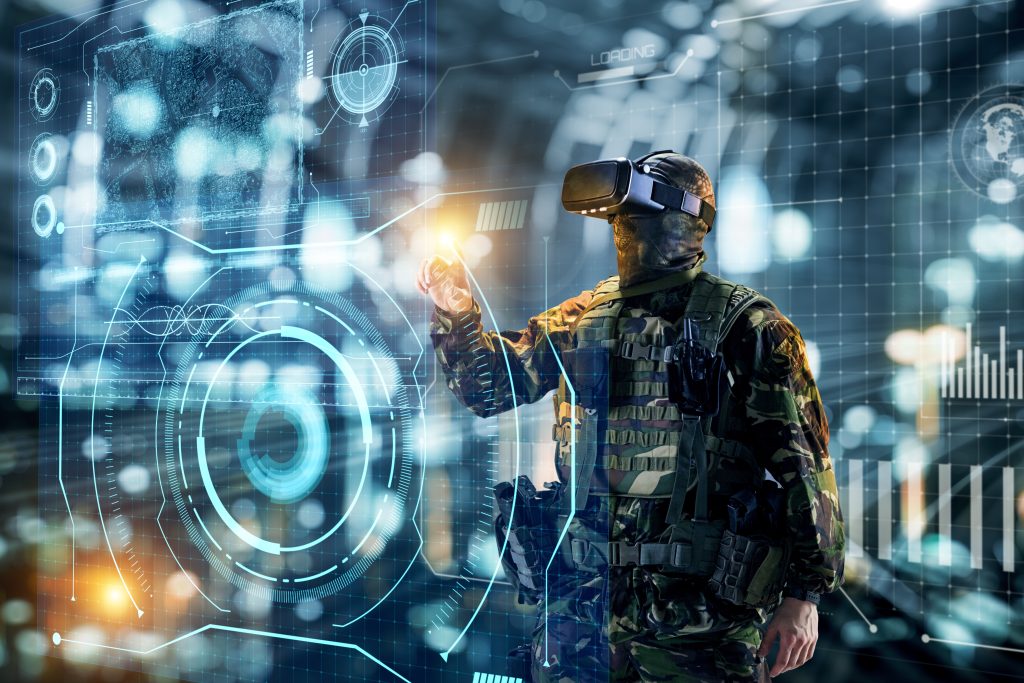
Fortunately, our country’s geopolitical situation is less complex, but it is not free of technological needs. Many of them cannot be met by acquiring the solution from third parties, whether because of cost, national interest or simply because the solution does not exist on the market. This should have been a catalyst for the ecosystem to grow alongside defense, but in practice they evolved independently.
Of course, there have been numerous cases of joint work, the most recent being the design and construction of mechanical ventilators by the strategic defense companies (EED) together with some universities. However, since these are limited projects, their results, while important, do not achieve the multiplier effect expected from systematic collaboration.
It is not a lack of vision, capability or complementarity between the parties. As early as the 2010 edition of the Defense White Paper (Libro de la Defensa), the official document setting out national policy on the matter, it was made explicit that science, technology and innovation are key factors in the development of defense, and the mandate to collaborate with the ecosystem became even more specific in later editions. Moreover, Chile’s position in international science rankings and the many successful R&D&I projects that both the Armed Forces (FFAA) and the EED carry out almost routinely point to an almost perfect complementarity. Challenges specific to the sector, such as access to sensitive information or public procurement systems in general, and defense procurement in particular, make joint R&D&I more cumbersome, but that does not seem to be reason enough for this lack of collaboration.
One possible answer lies in the orientation of the capabilities of both worlds. Indeed, scientific research is often driven by curiosity alone. And even when practical applications are investigated, they tend to be guided by academic criteria rather than by a thorough understanding of the operational reality in which the potential solution will be used. On the other hand, the Armed Forces and the EED, very broadly speaking, have focused their work on solving defense-specific challenges without considering the possible dual application of their solutions.
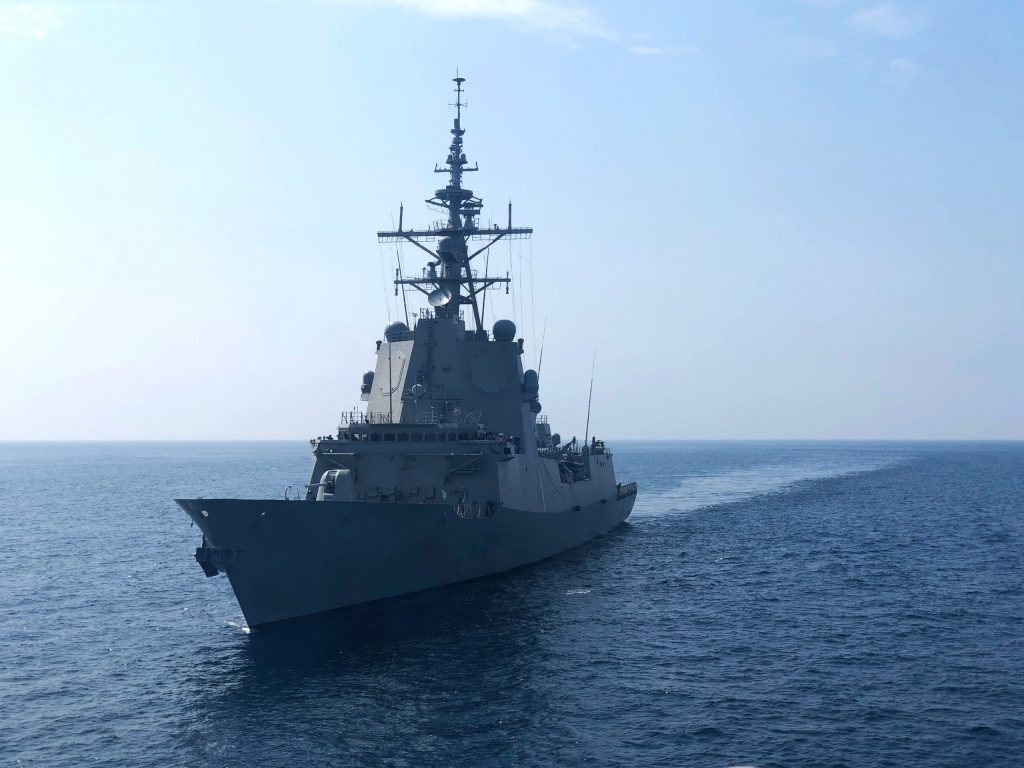
This is precisely the big change. Both the Continuous National Shipbuilding Plan and the National Space System, large-scale and ambitious programs, provide a strategic and doctrinal framework for systematic collaboration from defense, with the ecosystem and for the country. These programs aim to develop defense capabilities, but their design gives great weight to joint work with the ecosystem and the dual nature of their solutions. More importantly, these programs embrace their role as promoters and explicitly seek to serve as an engine for the development of science, technology and the country’s production base.
The road is not without difficulties. Differences in organizational culture and managing expectations stand out as the main ones. Nevertheless, both worlds share important common ground, such as a vocation for service, rigor in carrying out tasks and long-term planning. These are the aspects that allow us to be optimistic about the results of this collaboration, which has the potential to become a fundamental pillar of Chile’s development, with the participation not only of defense and the R&D&I ecosystem, but also of civil society and its authorities.

Published in
- La Tercera
- biobiochile.cl
- infodefensa.com