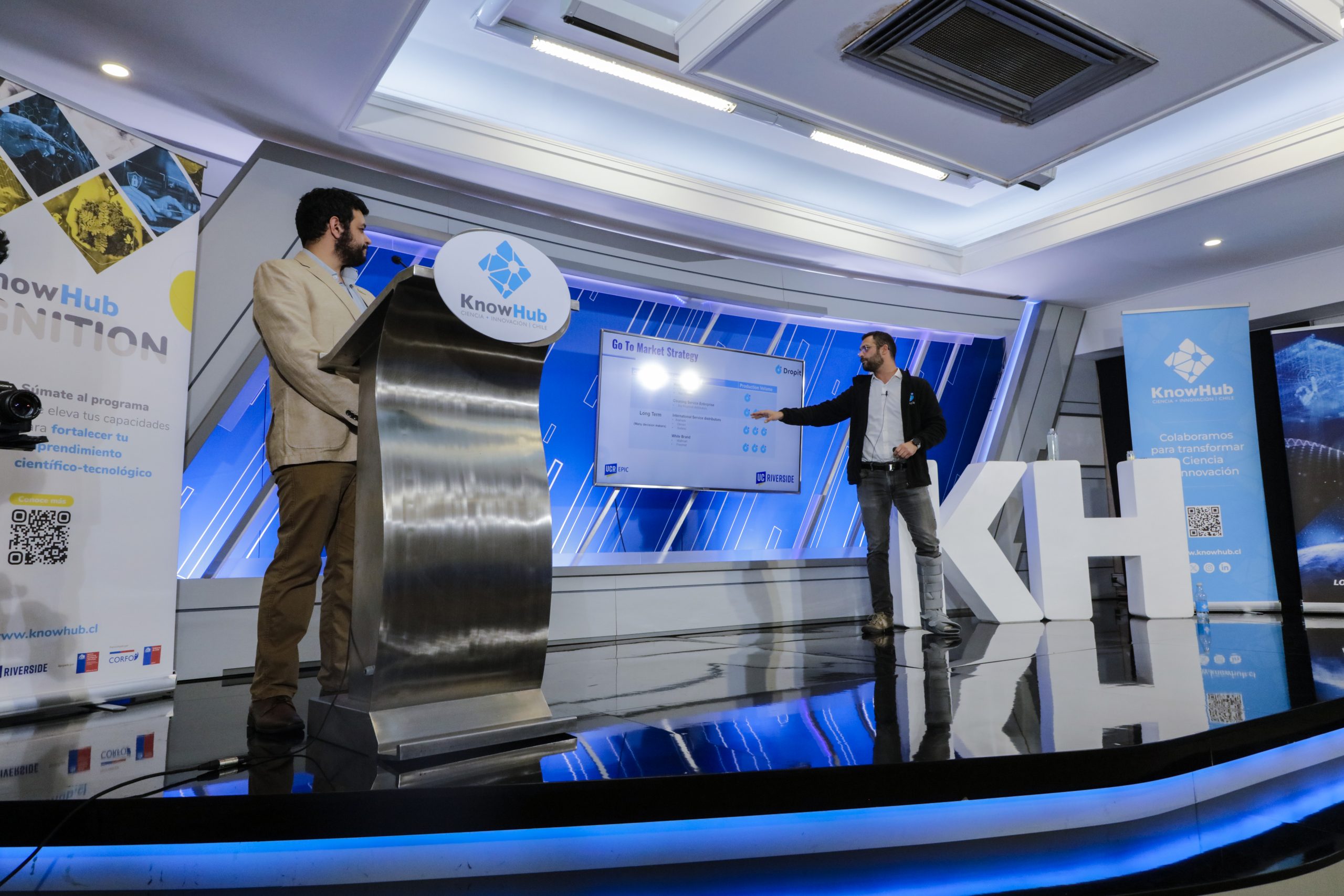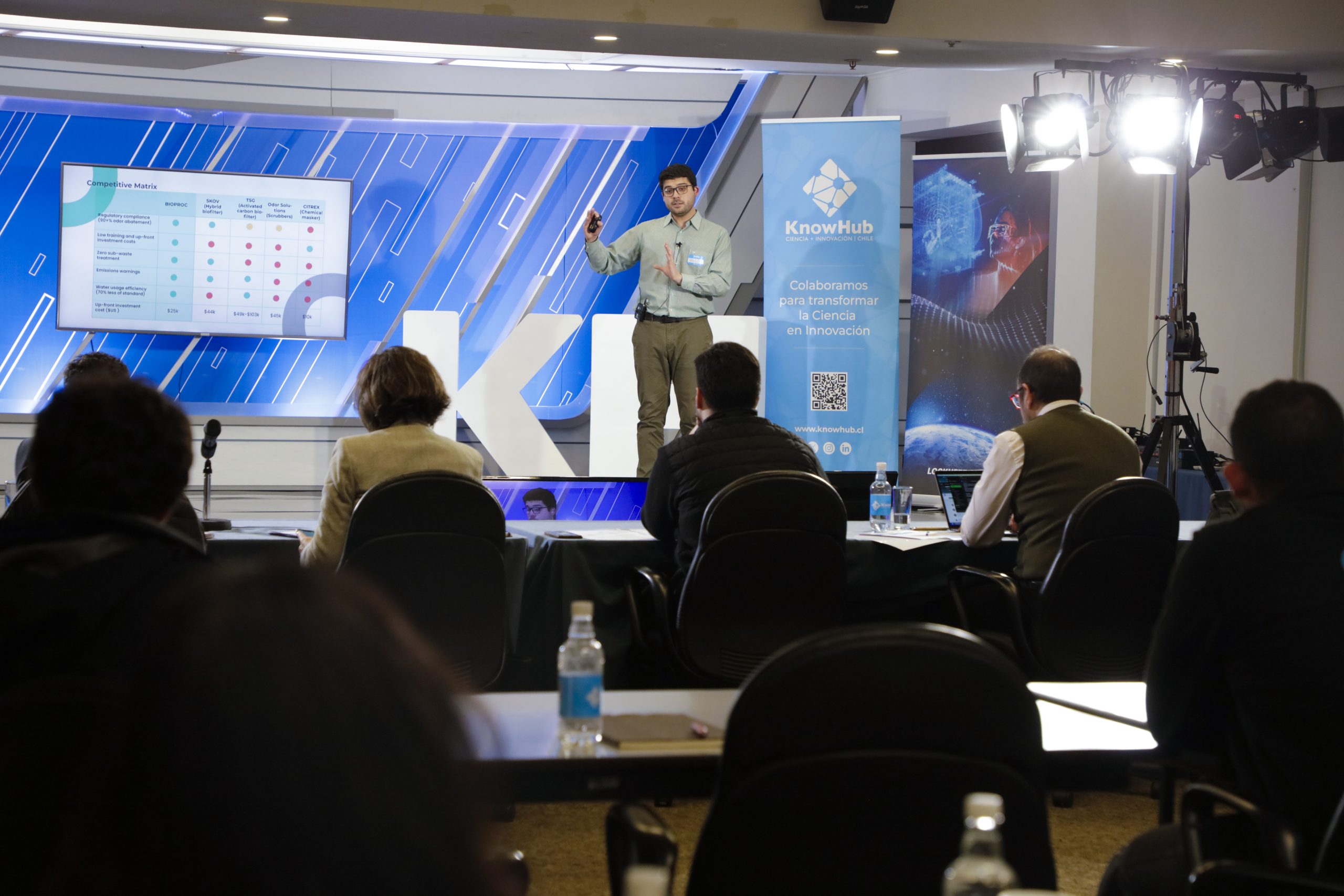


After 10 weeks of training to implement the go-to-market strategy they need, guided by national mentors from Know Hub and international mentors from UC Riverside, the teams were selected after delivering a pitch focused on their venture’s differentiating feature, as well as its business model, commercial strategy and investment needs for global growth.
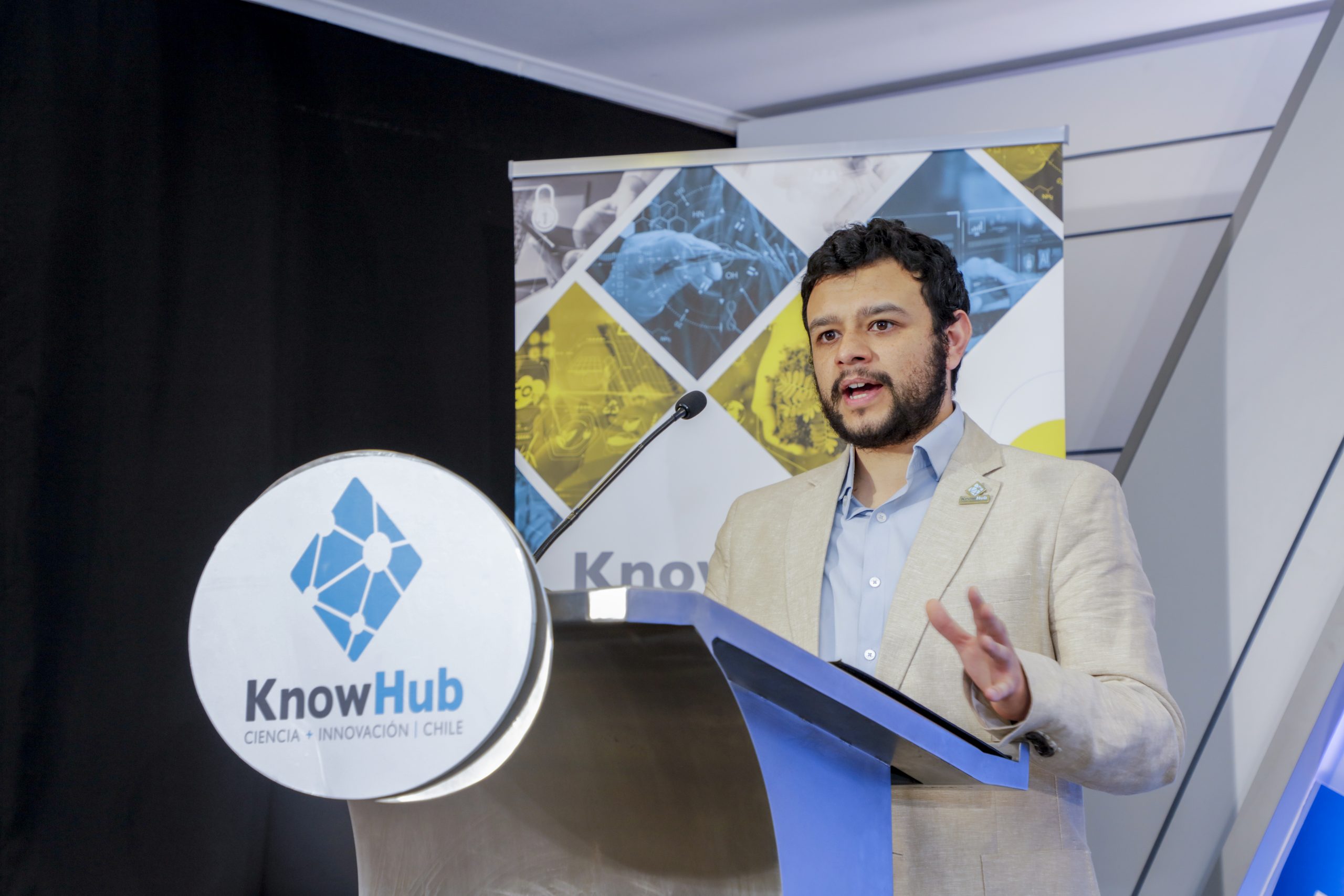
On Wednesday, September 6, the final pitch session of the third edition of Know Hub Ignition took place at the SOFOFA Conference Center. The program, run by Know Hub Chile in collaboration with the University of California, Riverside, supported by ANID, backed by Corfo and sponsored by Lockheed Martin and CircularTec, accelerates the early and global growth of science- and technology-based ventures.
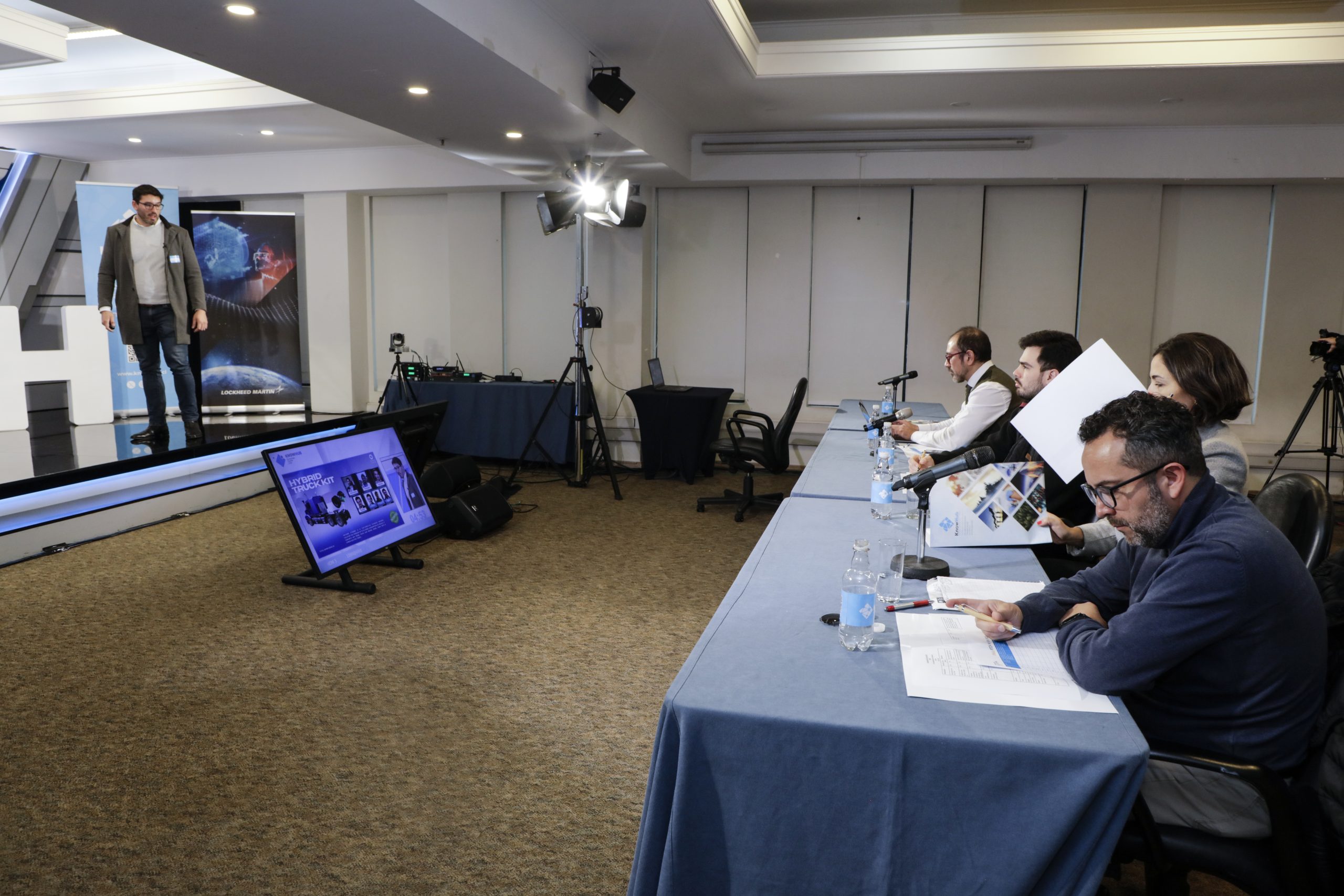
The 10 teams selected for the program competed to be one of the three winners. After 10 weeks of training to implement the go-to-market strategy they need, guided by national mentors from Know Hub Chile and international mentors from the University of California, Riverside, they delivered a pitch focused on their venture’s differentiating feature, as well as its business model, commercial strategy and investment needs for global growth.
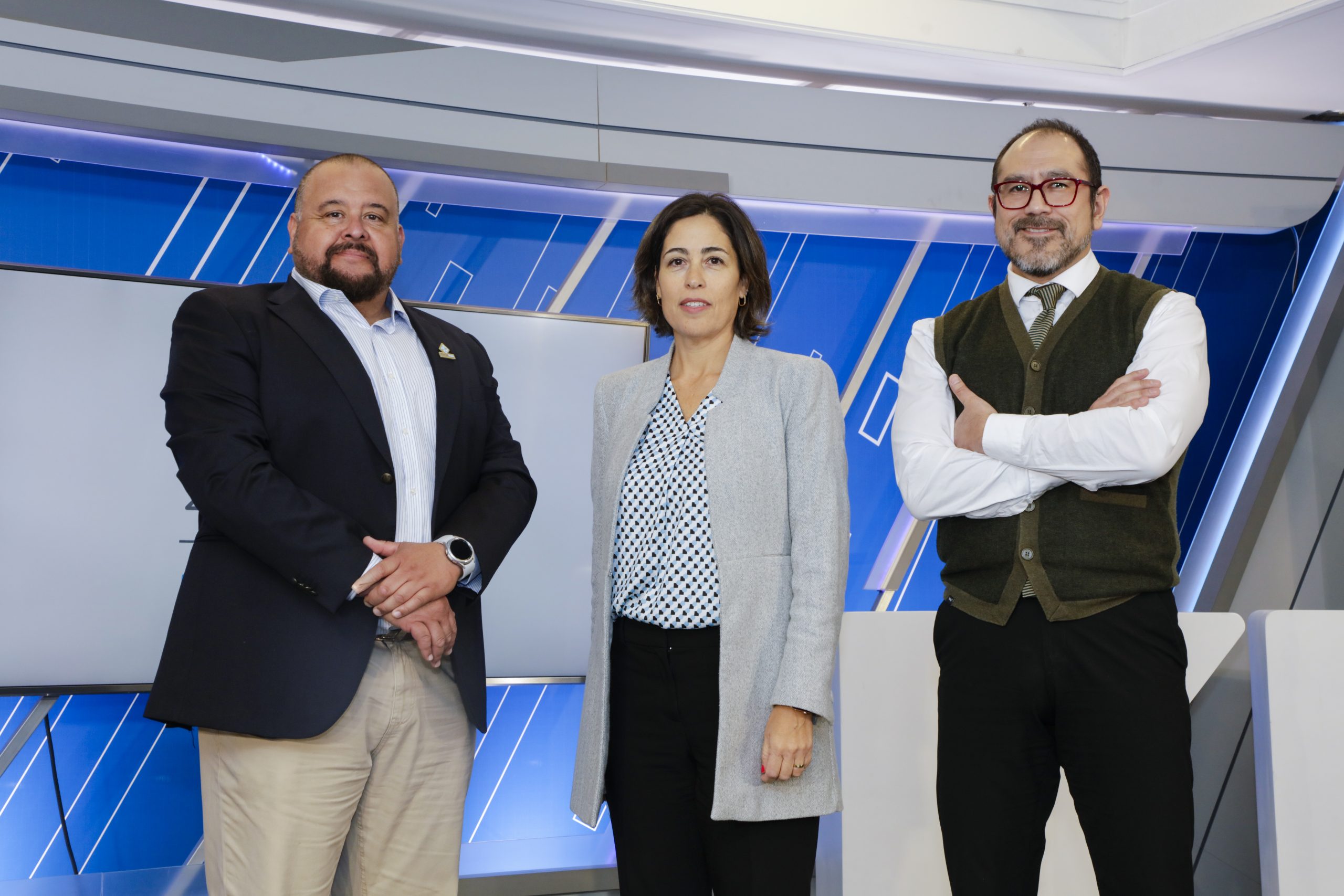
The final pitch jury was made up of Javier Ramírez, executive director of Know Hub Chile; Rosibel Ochoa, Associate Vice Chancellor for Technology Partnerships at UCR; Martin Kleckner, director of the Business Development Center at UCR; Esteban Zapata, head of Transfer and Entrepreneurship at ANID; Patricia Tobar, Senior Manager Business Development at Lockheed Martin; Andreé Henríquez, CEO of Circulartec; Martin Delhange, COO of Broota; and Sebastián Gilbert, managing partner at DADNeo.
Winners
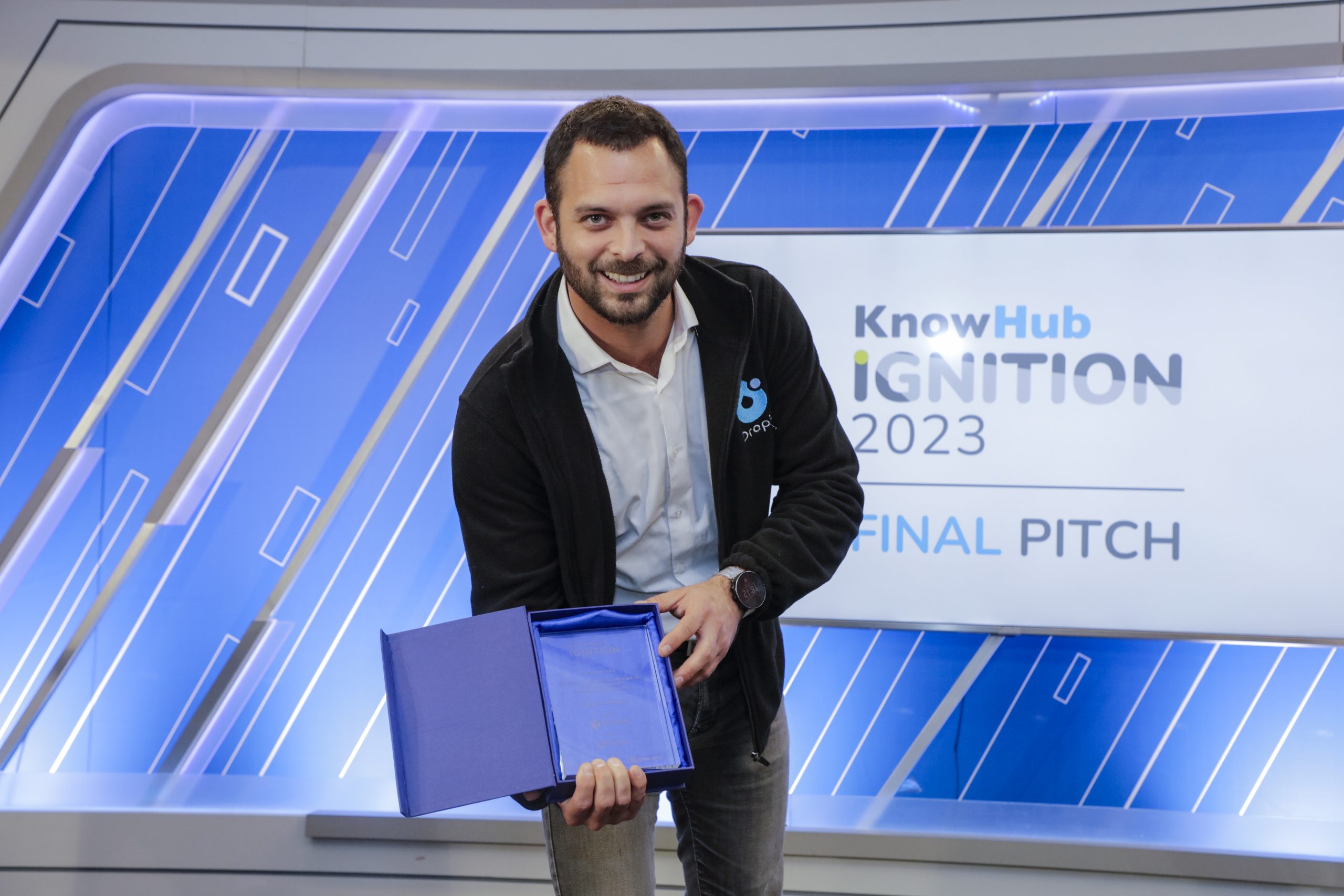
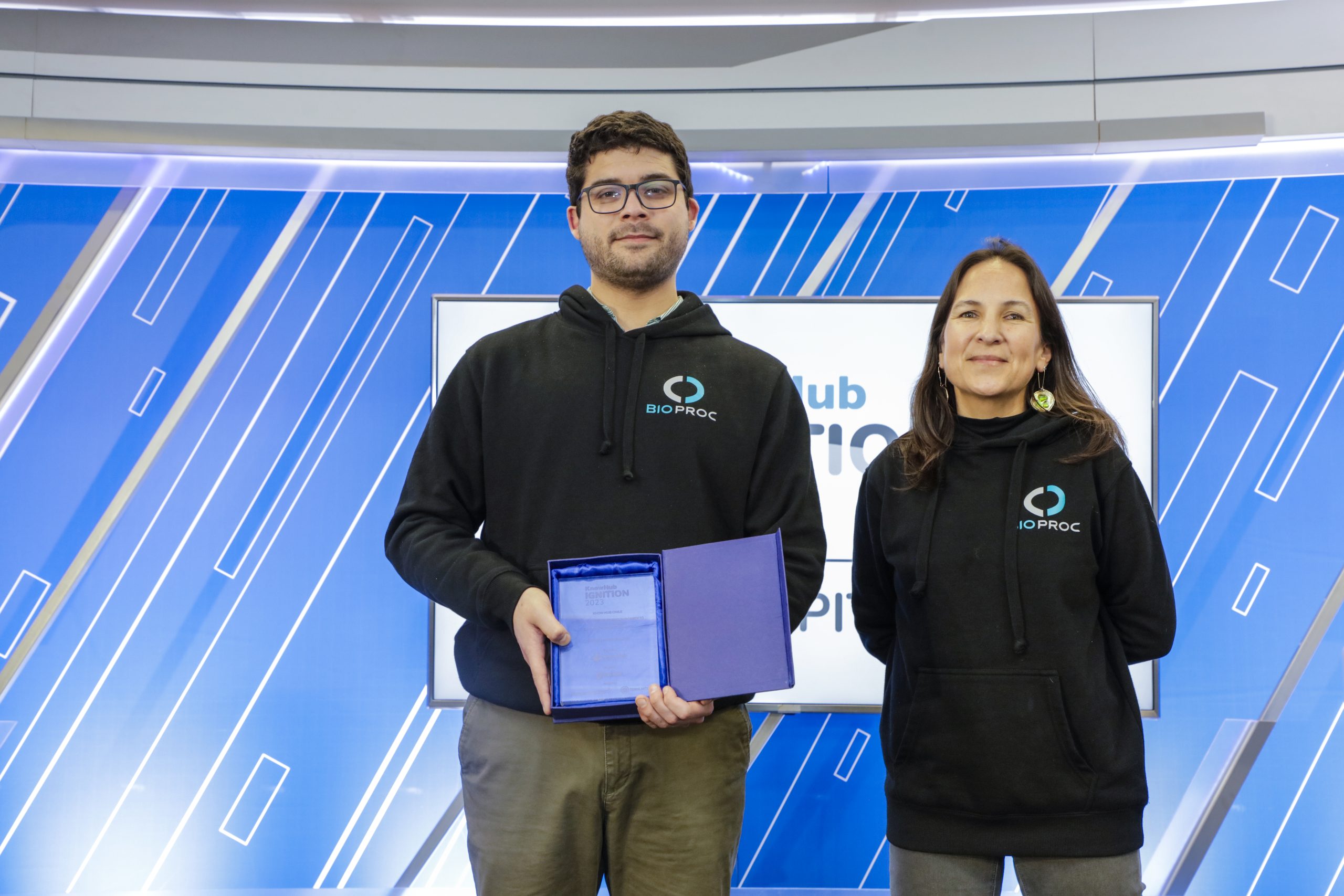
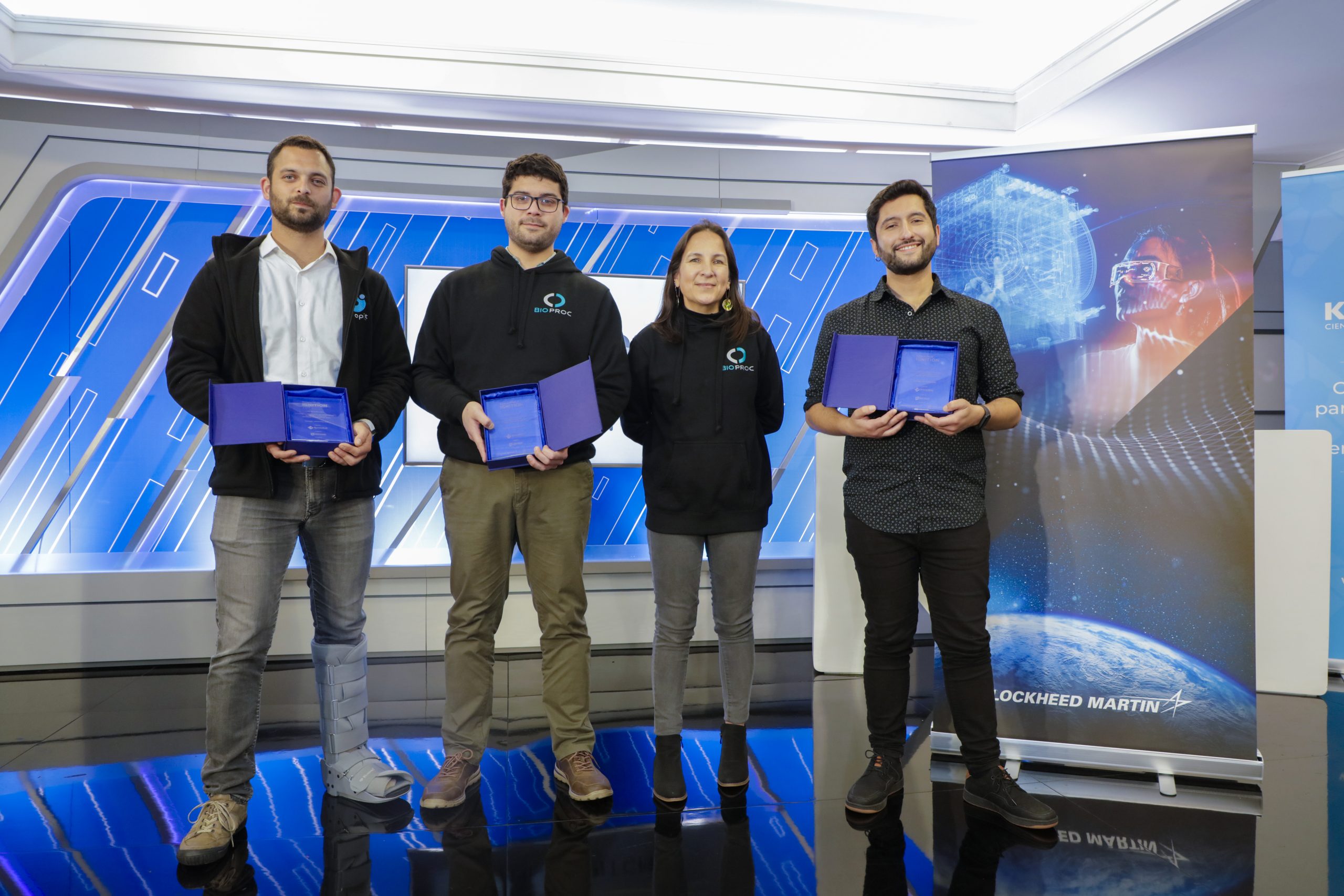
After the presentations by the 10 teams and lengthy deliberation by the jury, the winning teams were Drop It, Beloop and Bioproc.
Dropit is a science-based startup (EBCT) focused on the science and manufacturing of mass-consumer products in ultra-compact formats and effervescent tablets that turn into the final product on contact with water. They minimize packaging, shipping logistics and environmental impact, and can customize formulations to meet specific requirements, delivering highly versatile solutions. Their technology can be applied to a wide range of products, allowing them to expand into new categories and markets.
Beloop, meanwhile, is an EBCT that systematizes ecodesign for packaging. With its Circular Analysis software, it addresses the lack of information on the environmental impact of packaging and the subsequent management of its operational and environmental efficiency. It provides companies with a life cycle analysis tool to measure that impact from raw material to end of use. It uses a holistic methodology based on 5 pillars and provides a weighted circularity score for the product. Its goal is to design more efficient and sustainable products, meet new environmental standards and protect the environment.
Finally, Bioproc develops a biological filtration unit (TRL8) designed to treat polluting and odorous gases through microbiological metabolization. It attaches to closed agricultural waste pits and removes compounds such as ammonia, hydrogen sulfide and methane. The treatment comes with a system of electrochemical sensors connected to the biofilter and a digital platform that monitors gas concentrations online, generating periodic environmental management reports for clients.
The winning teams, all focused on the circular economy, have the support of CircularTec to travel to Riverside, California, United States, to validate their business model through the I-Corps methodology. In November they will take part in this learning experience, supported by the University of California, Riverside team and its network of mentors and investors.
In Riverside, each representative will have a work and networking agenda, with interviews with relevant experts and potential partners to build key connections. This phase culminates with a final pitch by the teams to an international investment fund linked to UCR that provides capital to early-stage ventures.