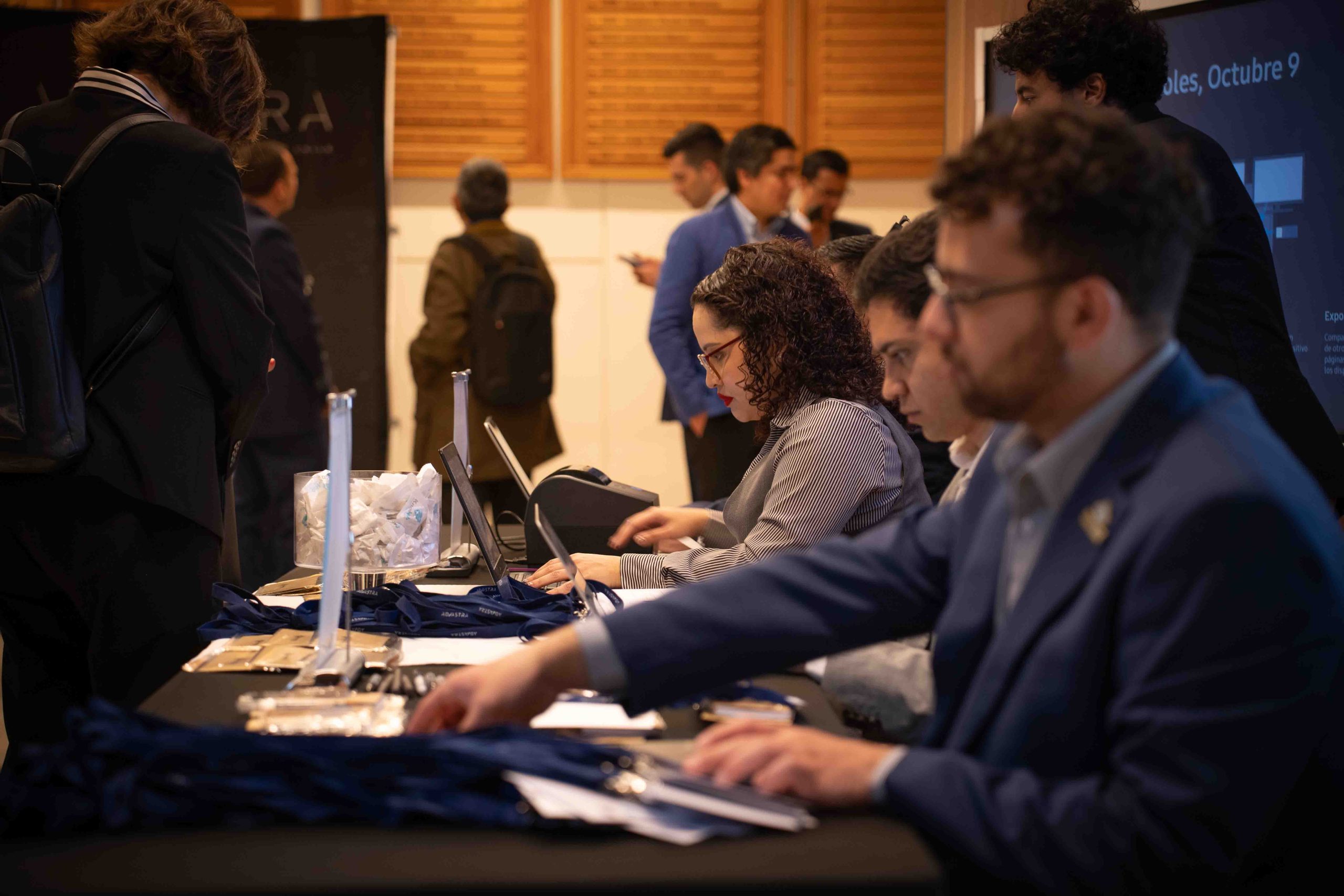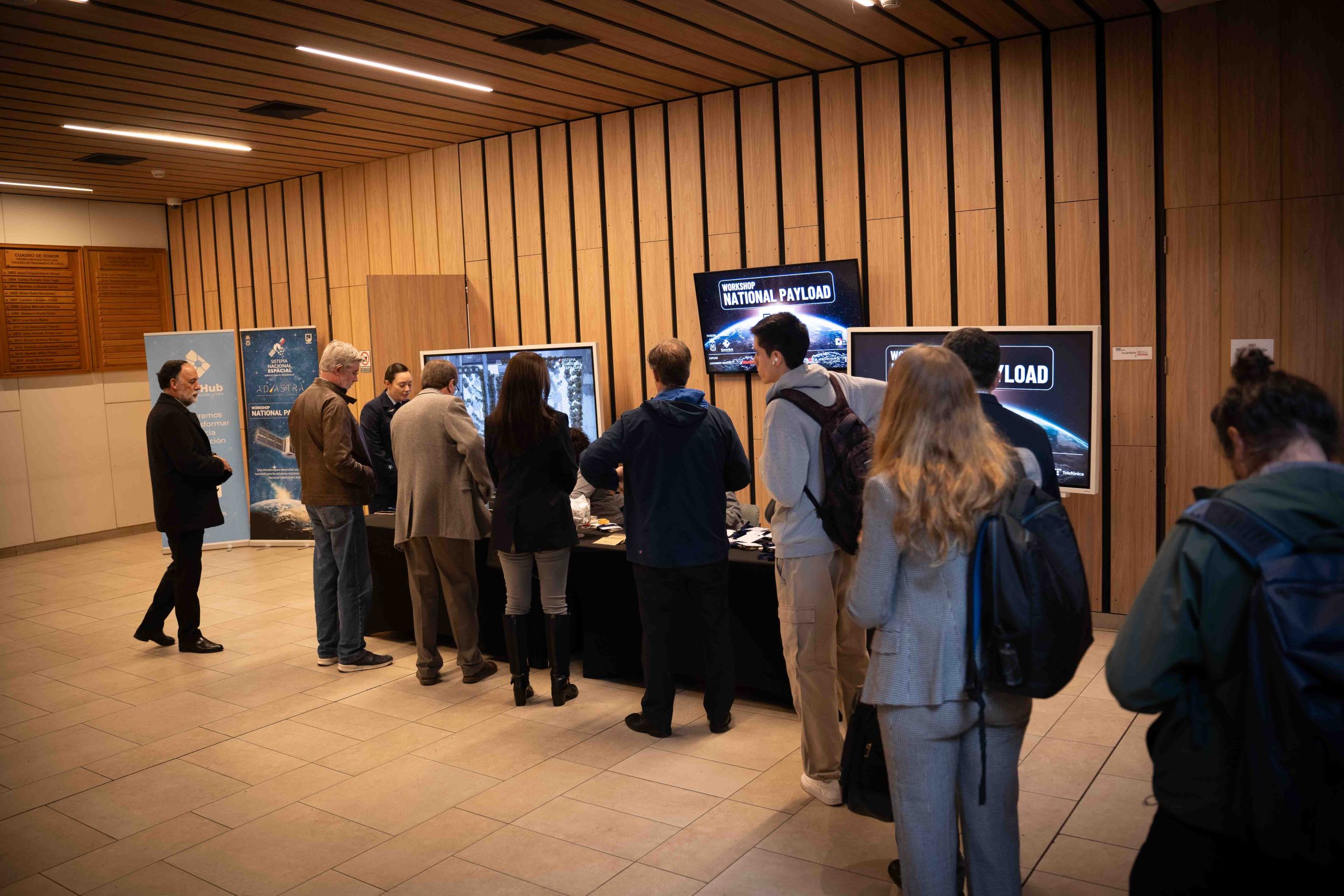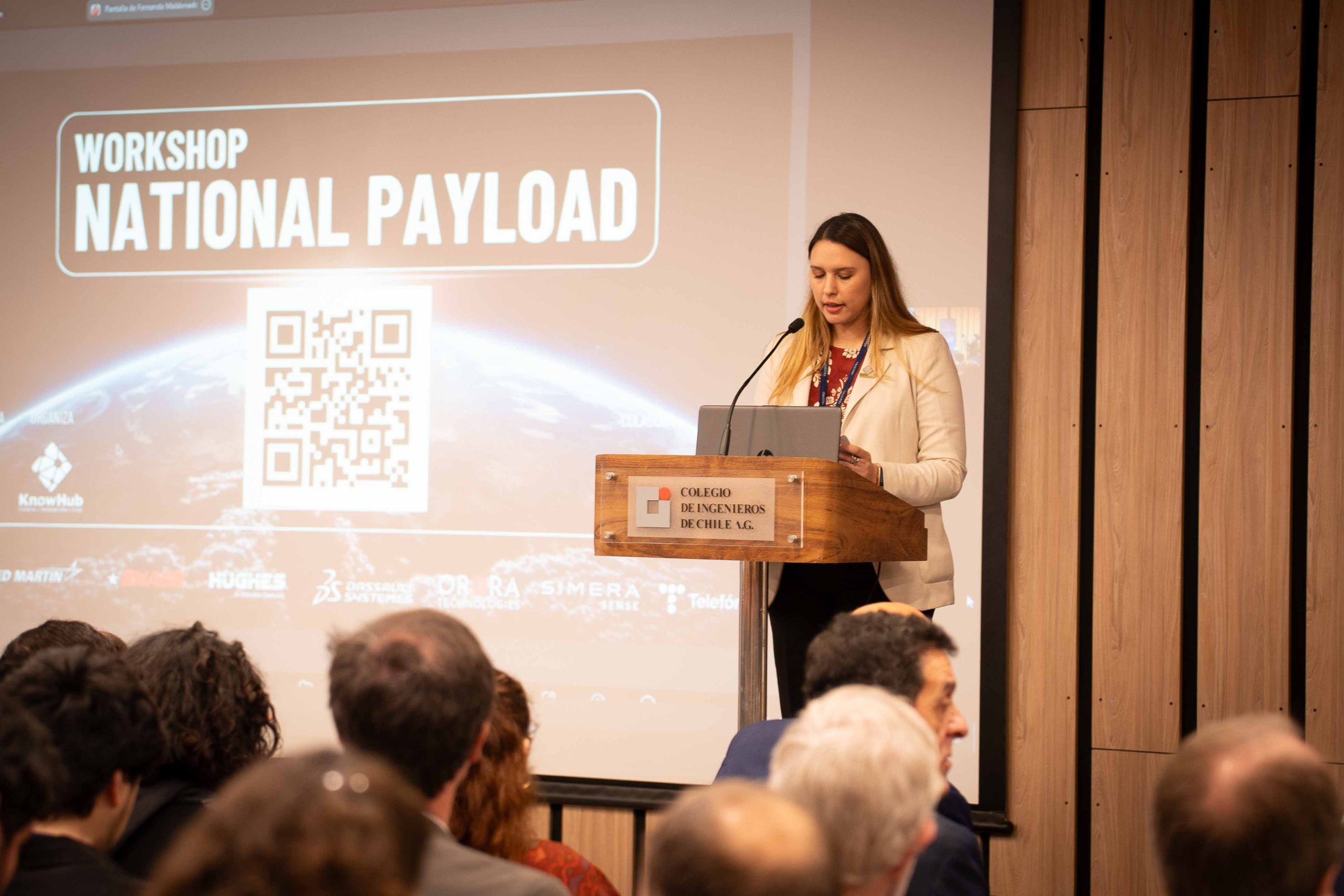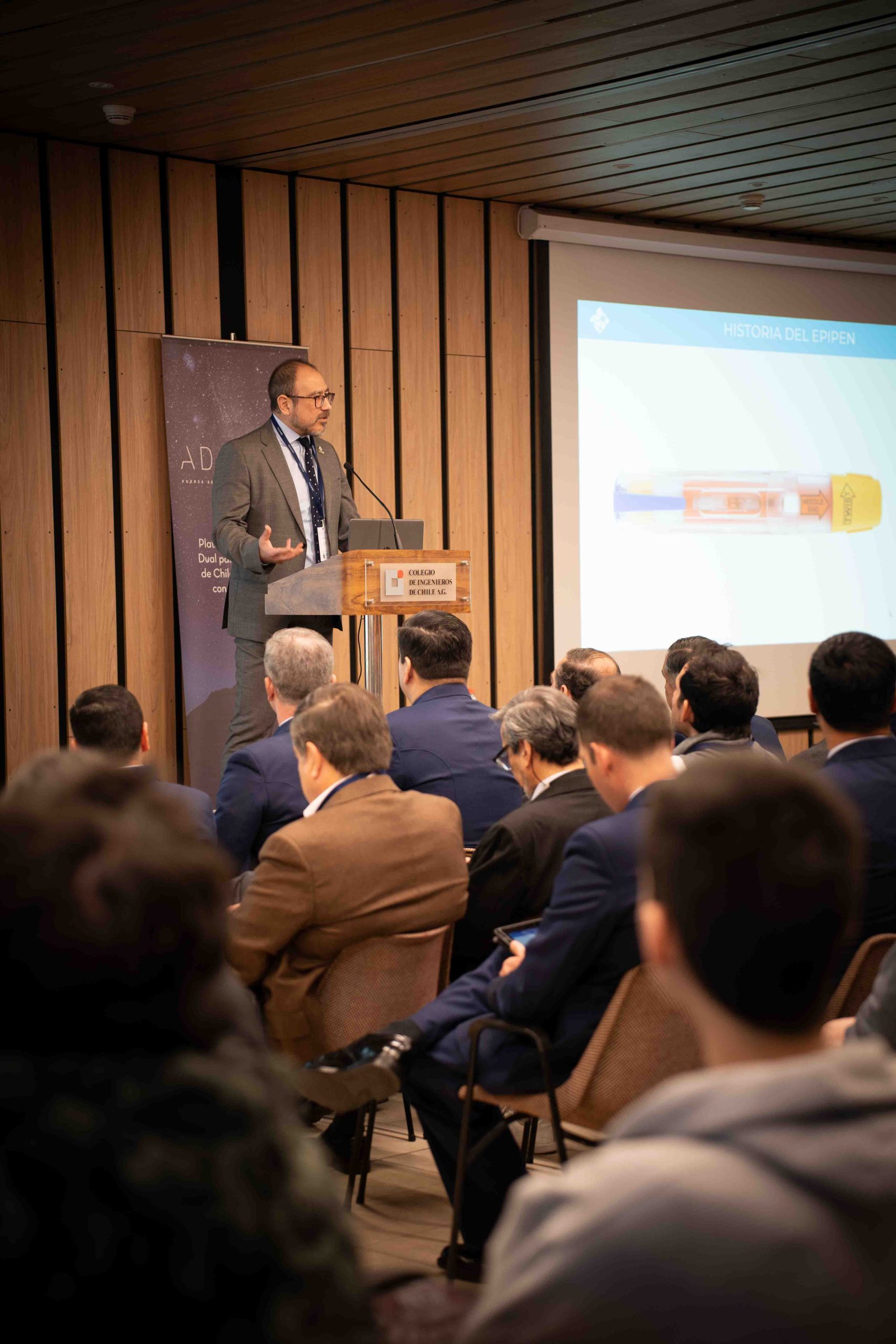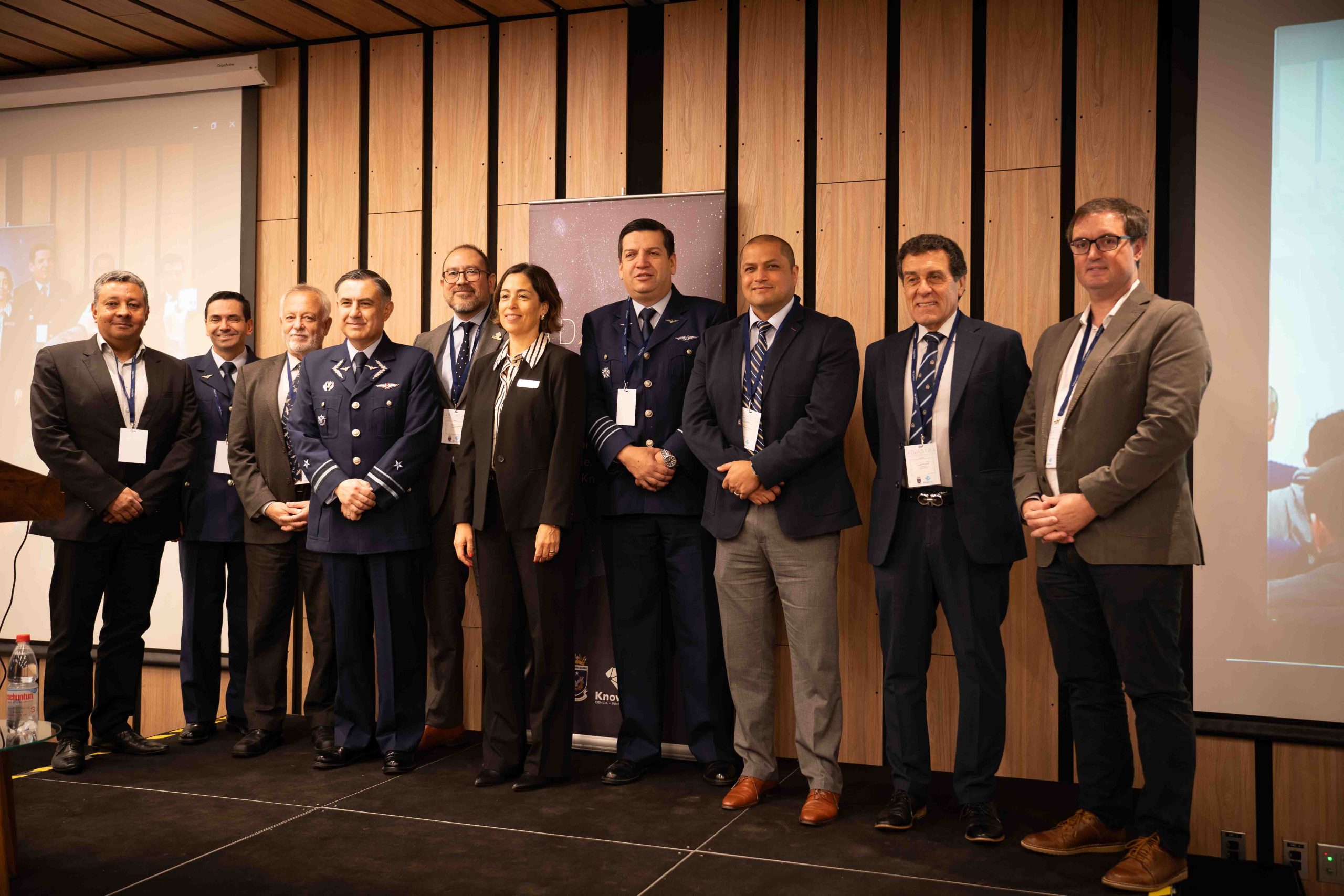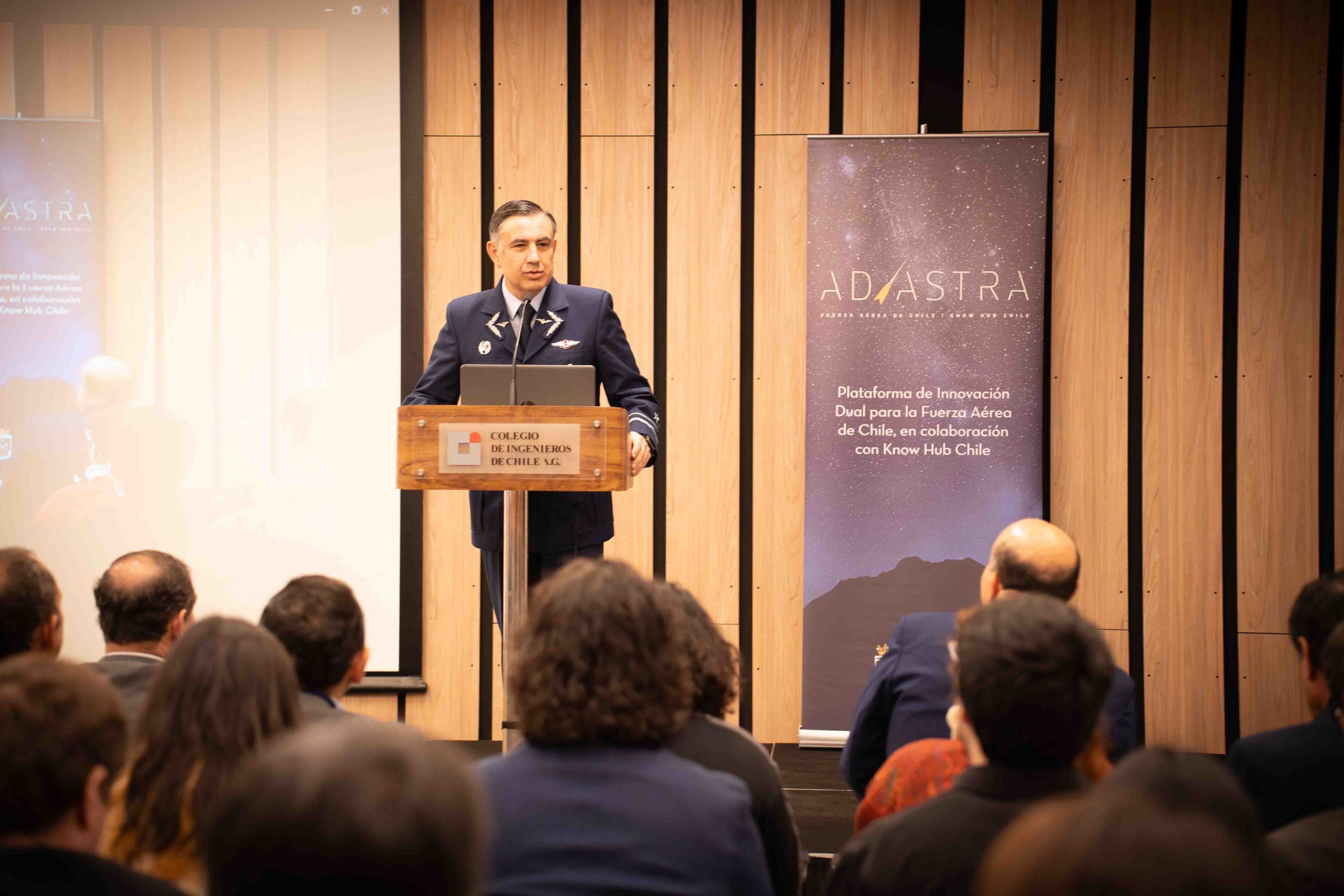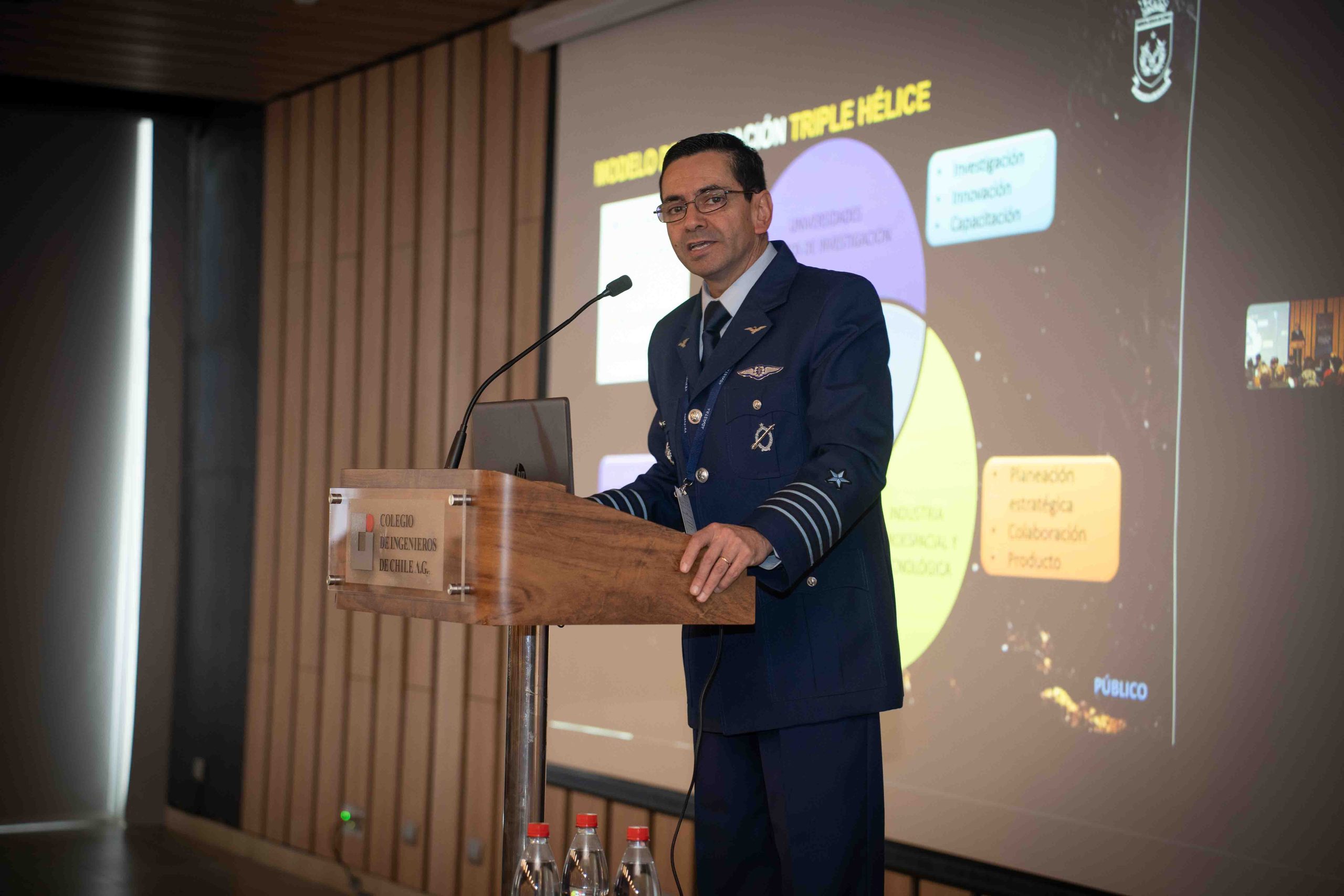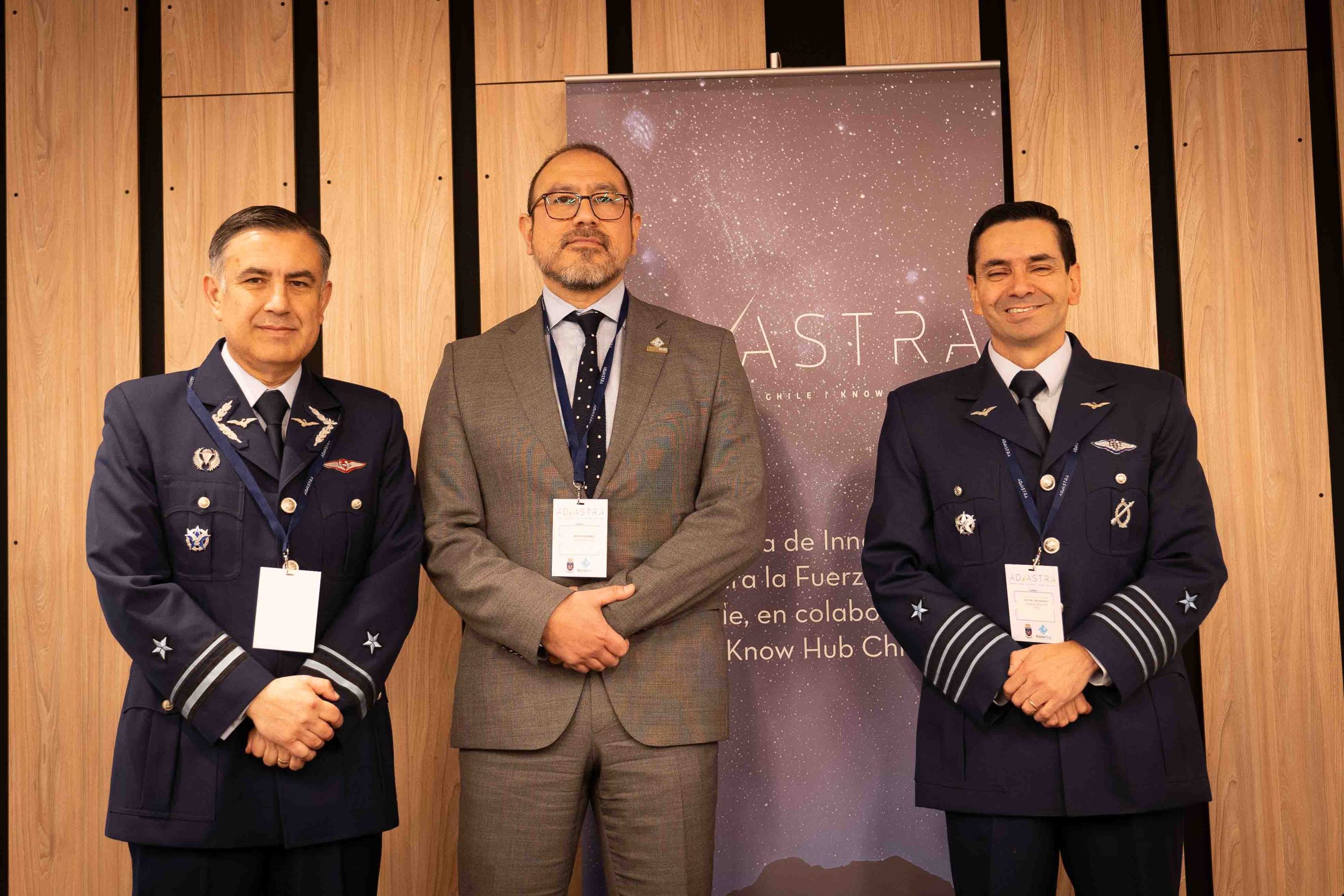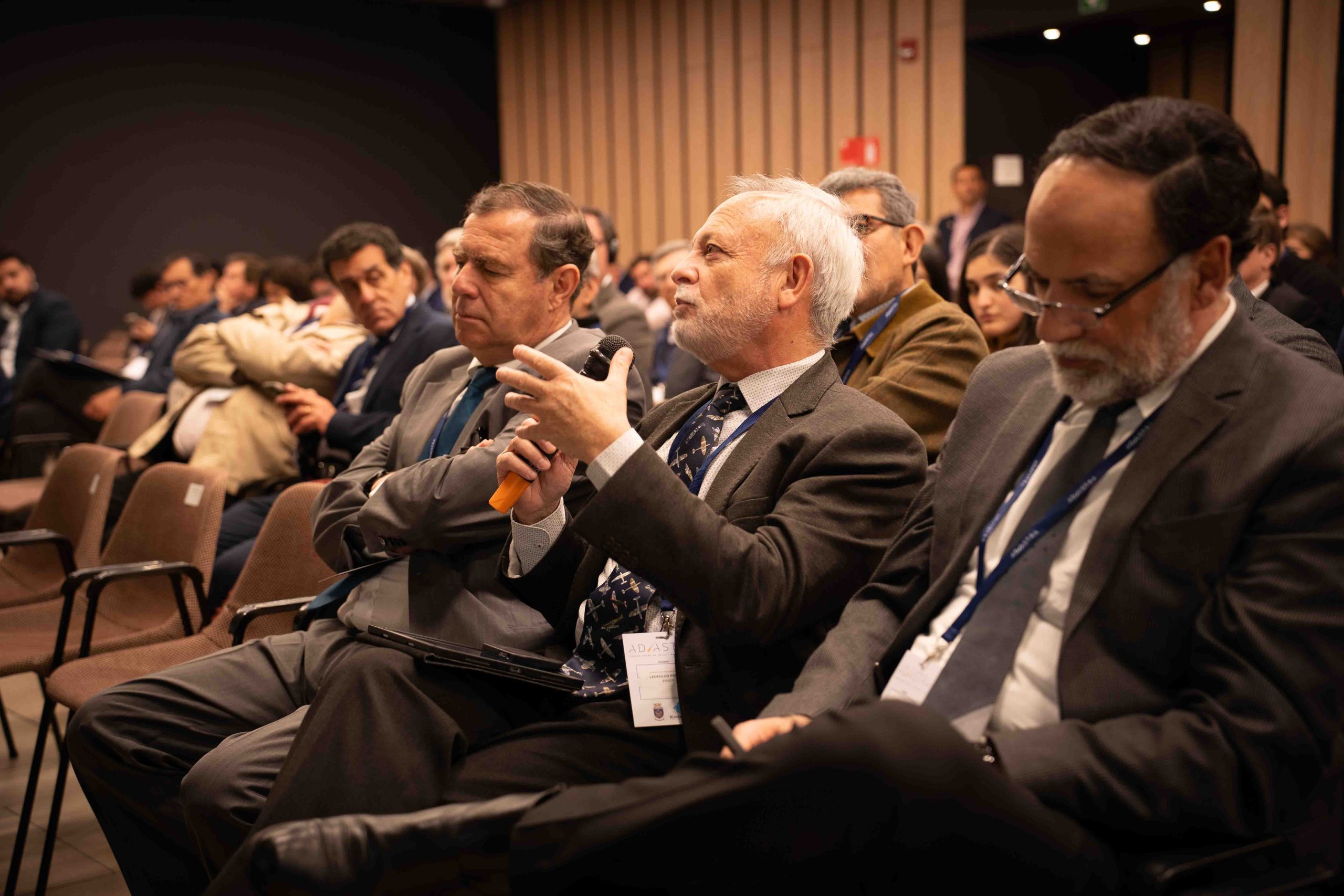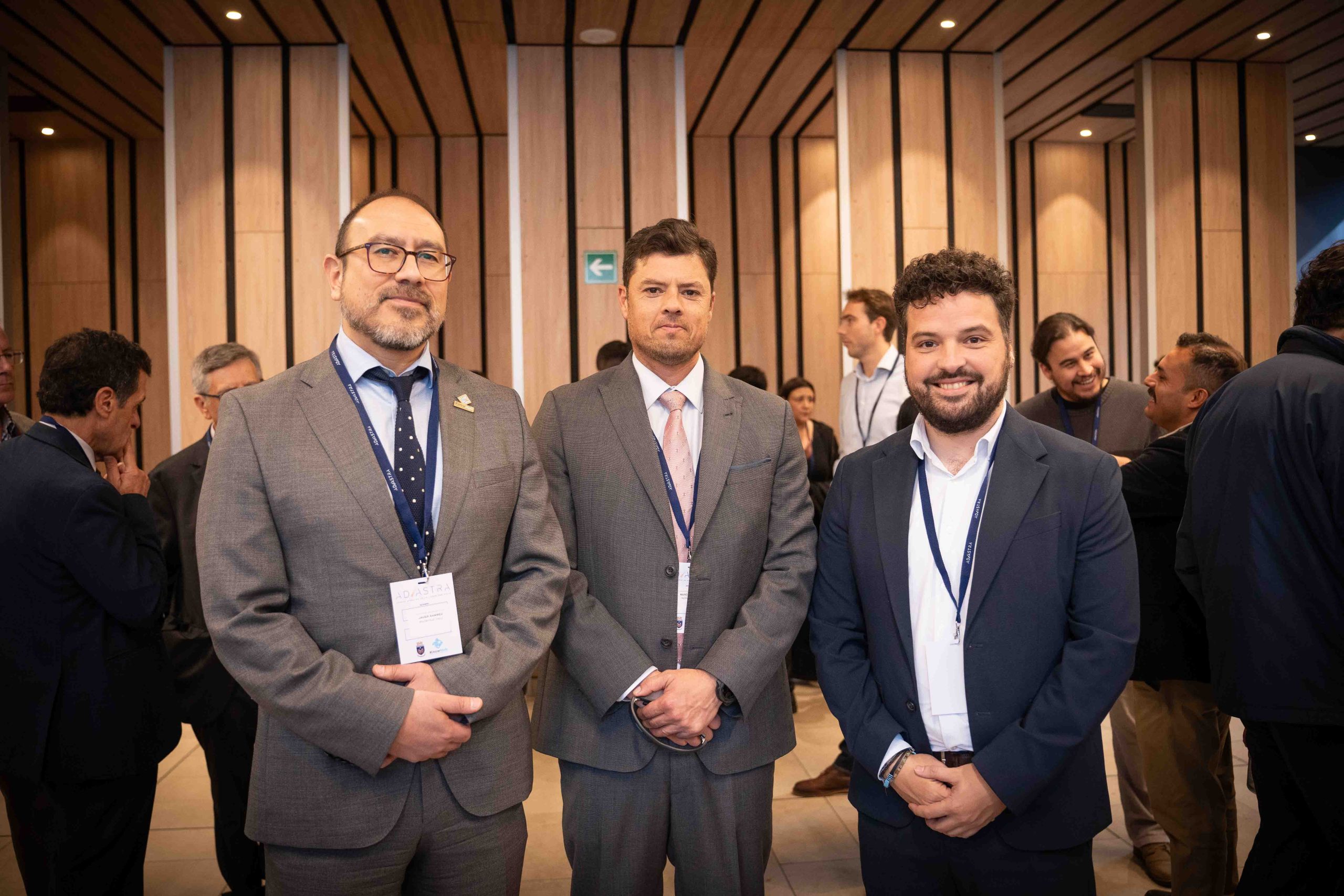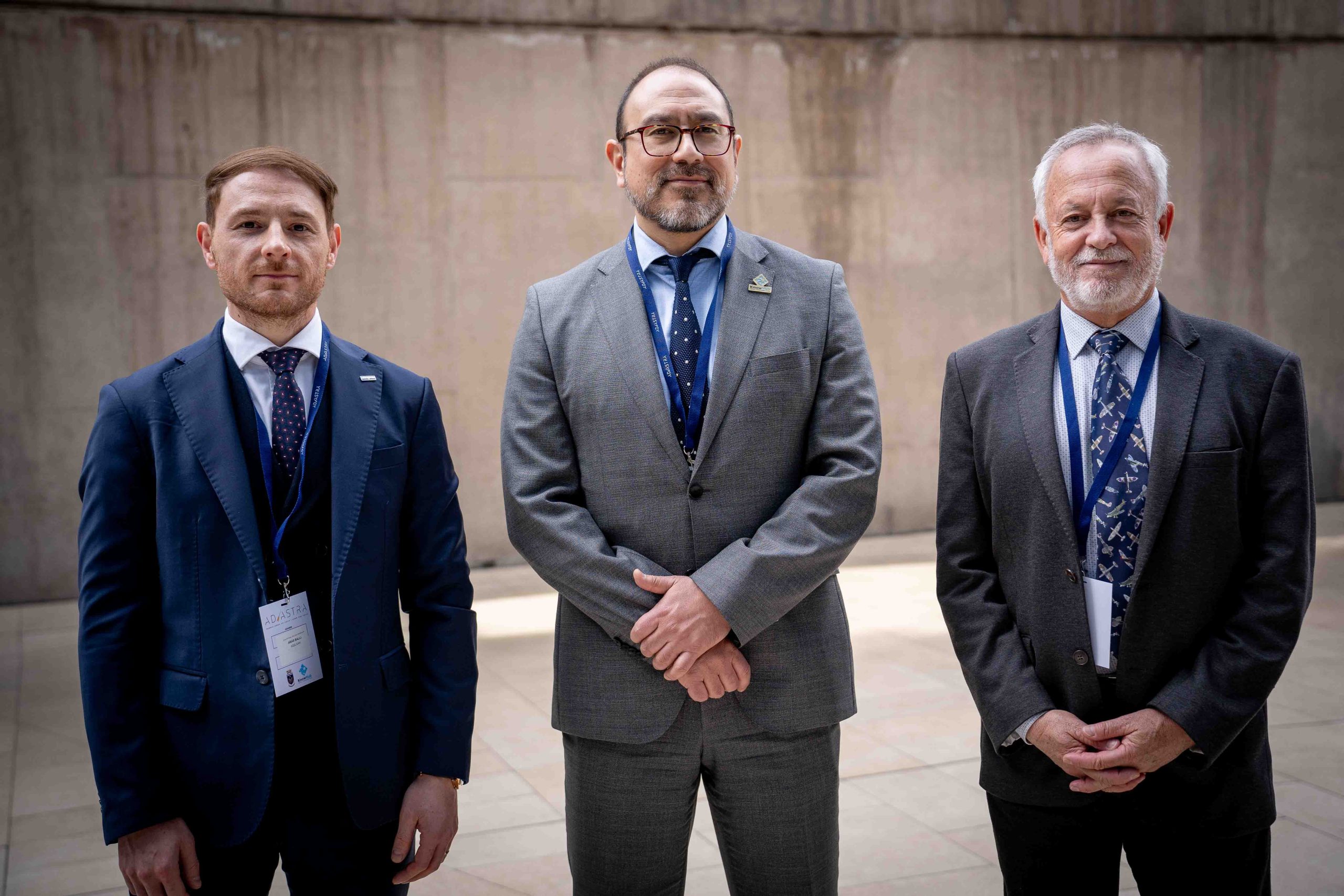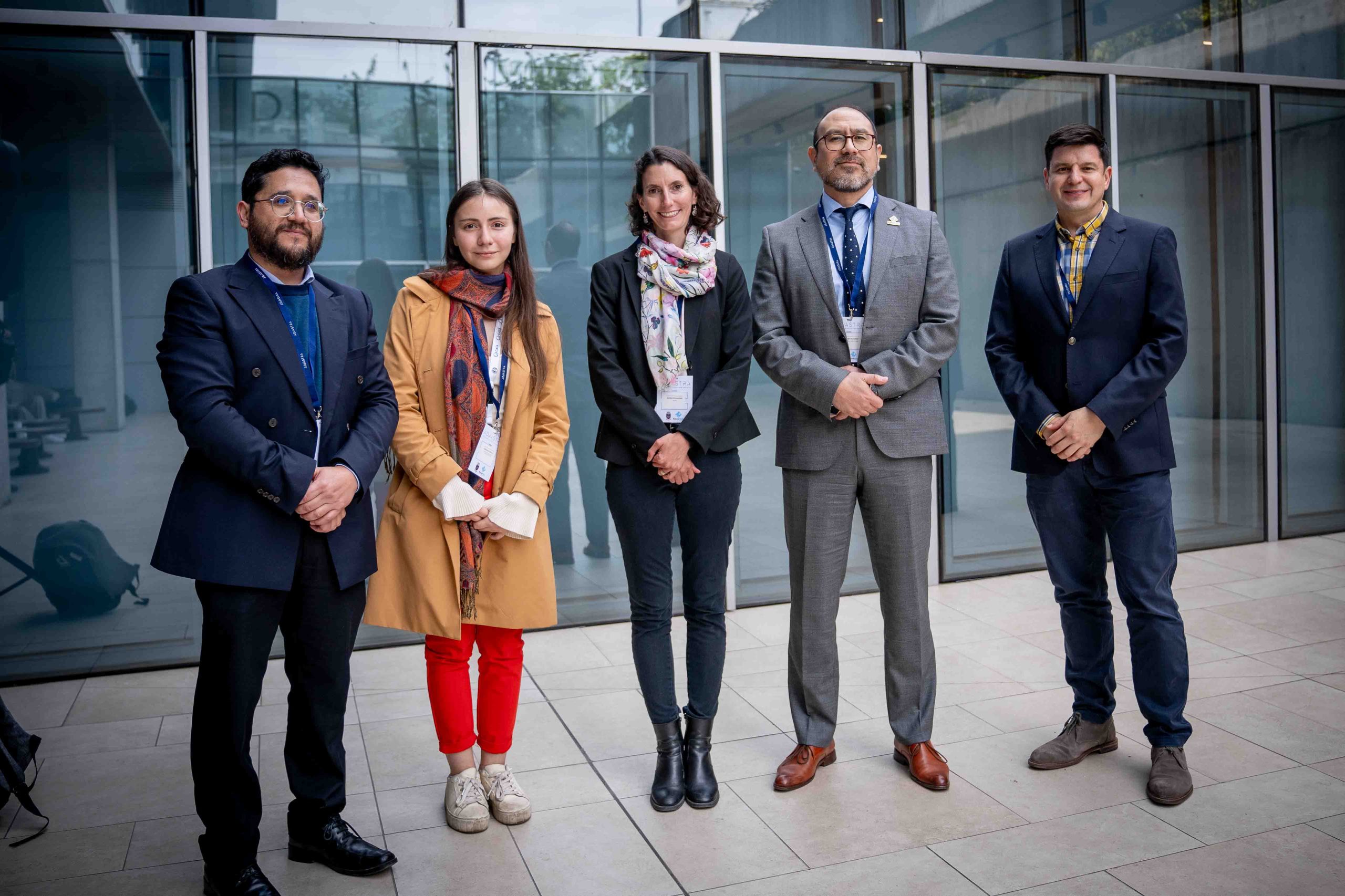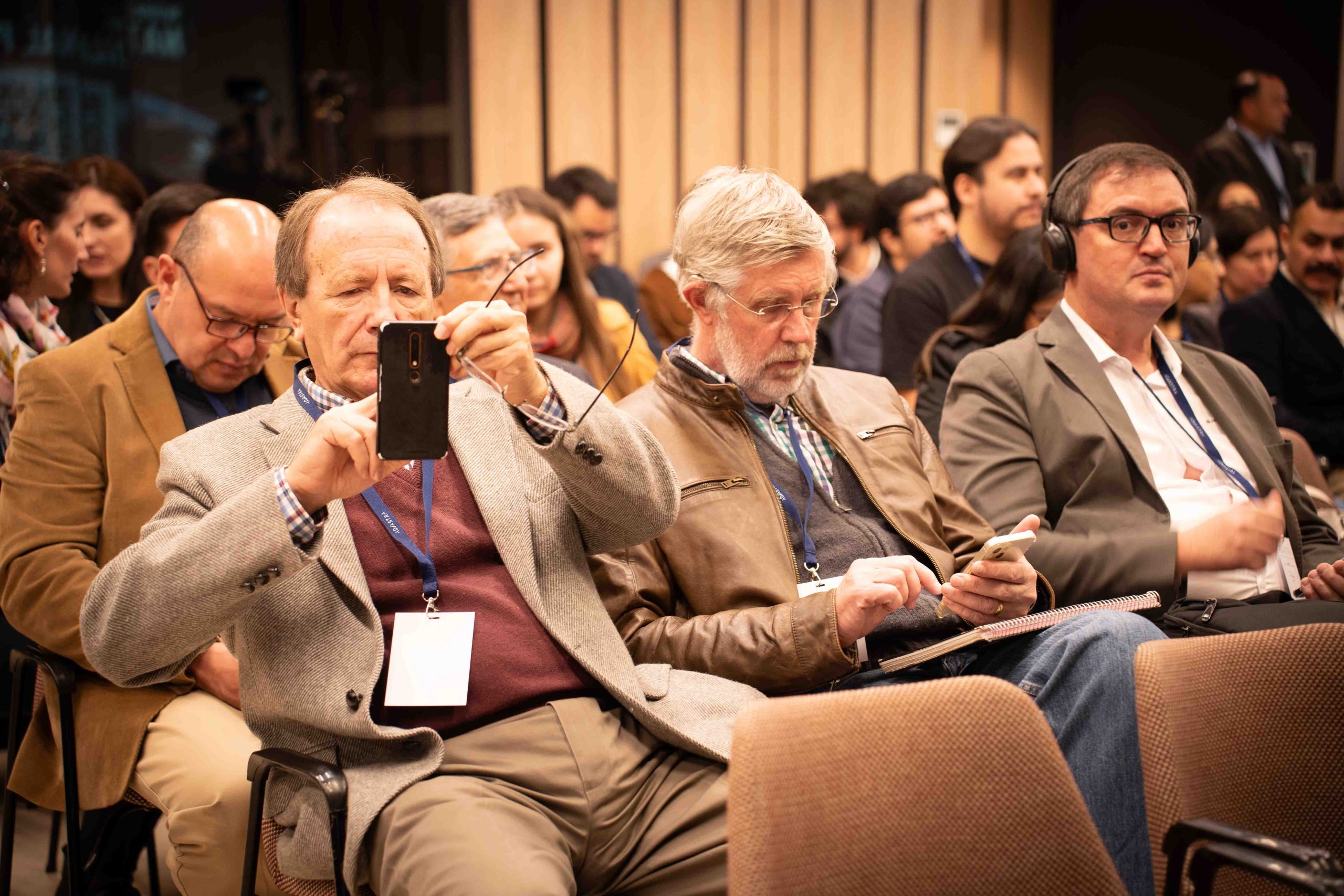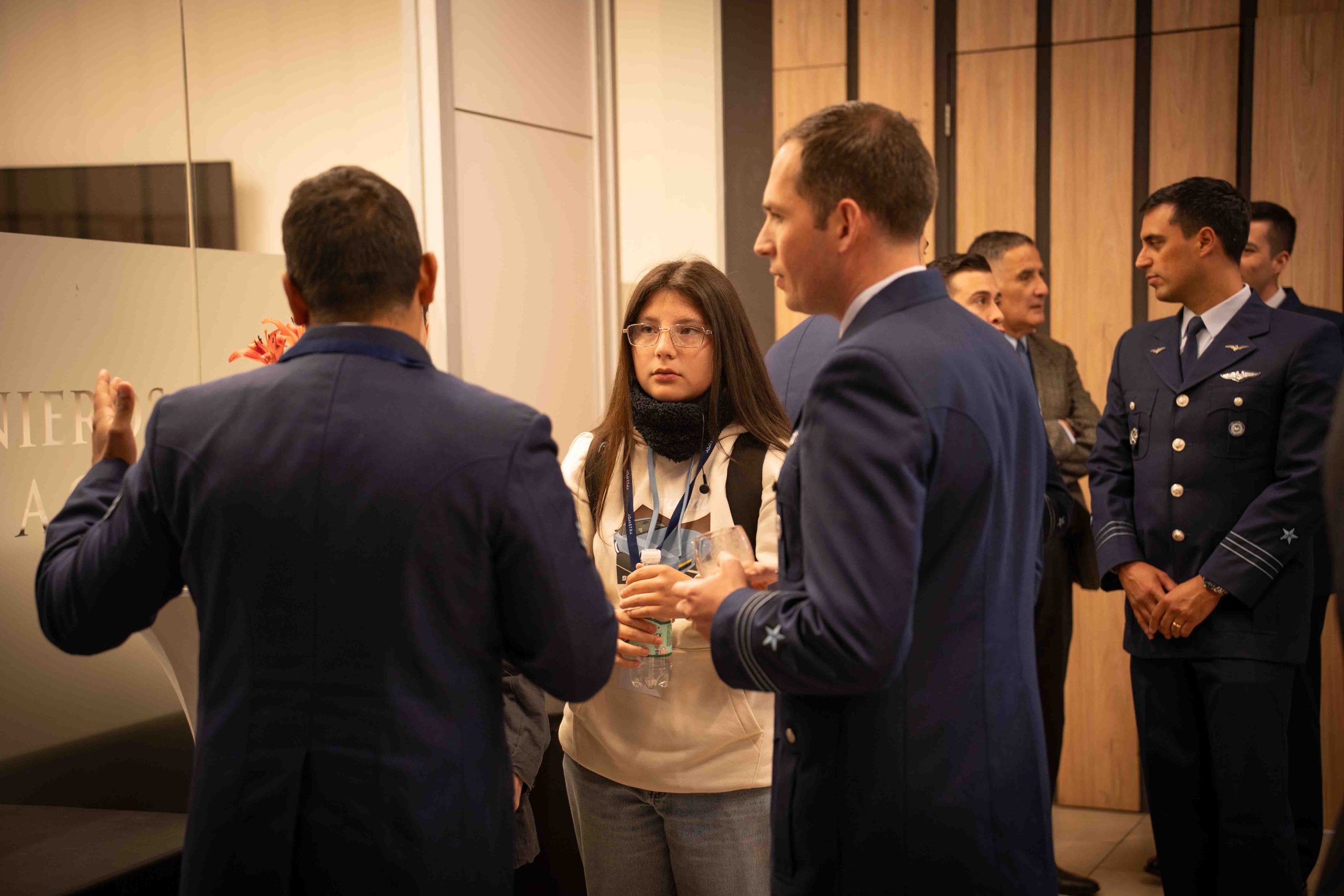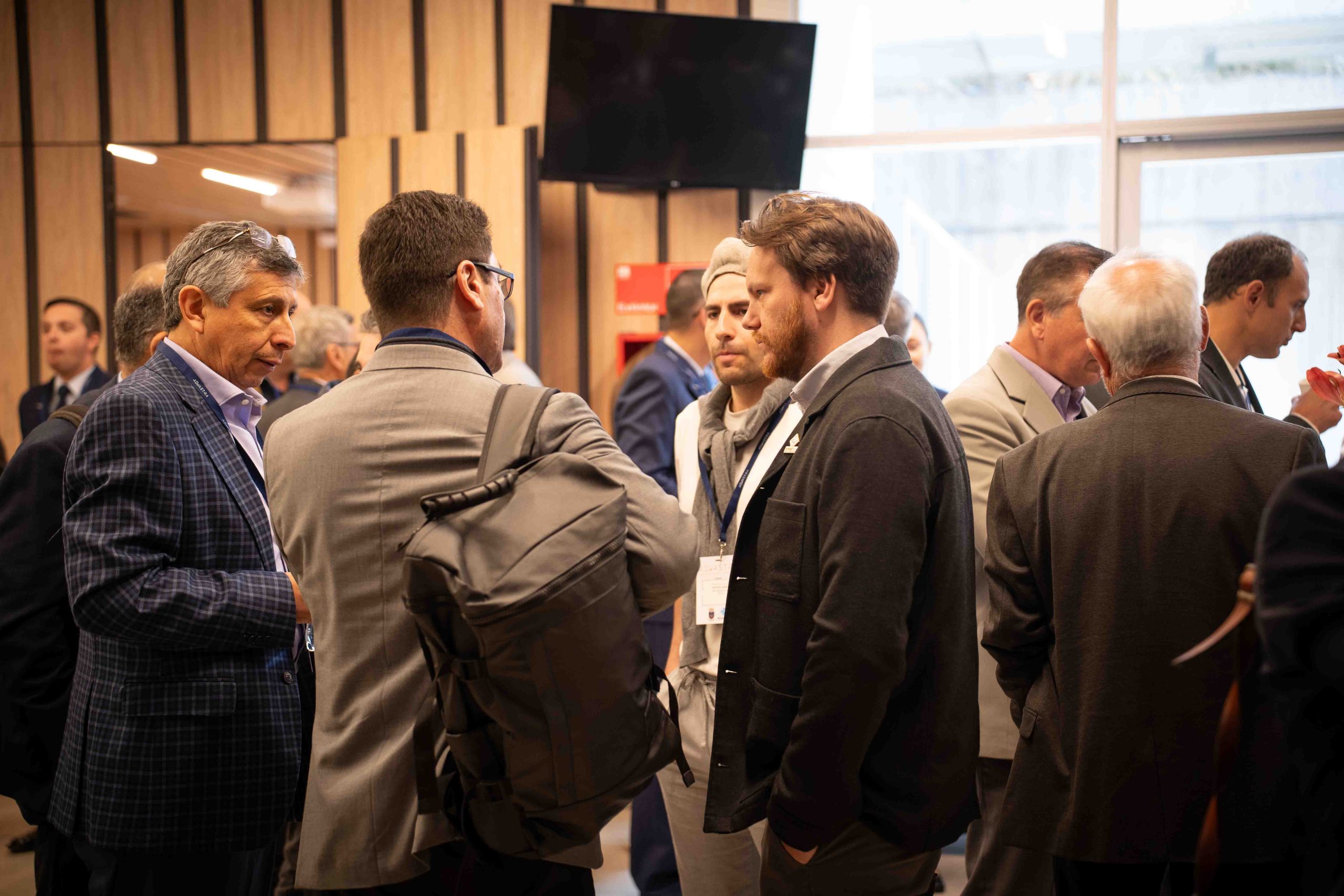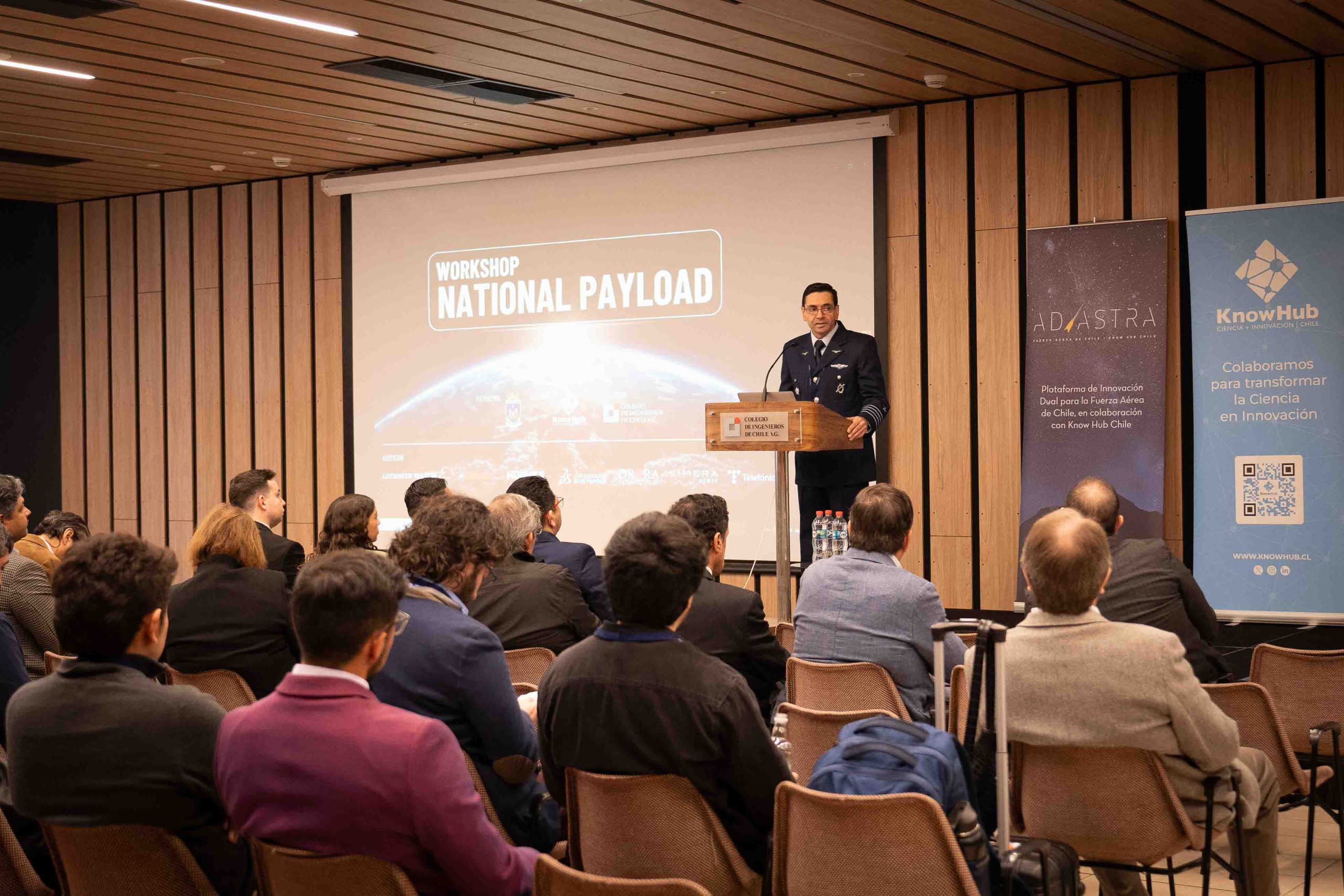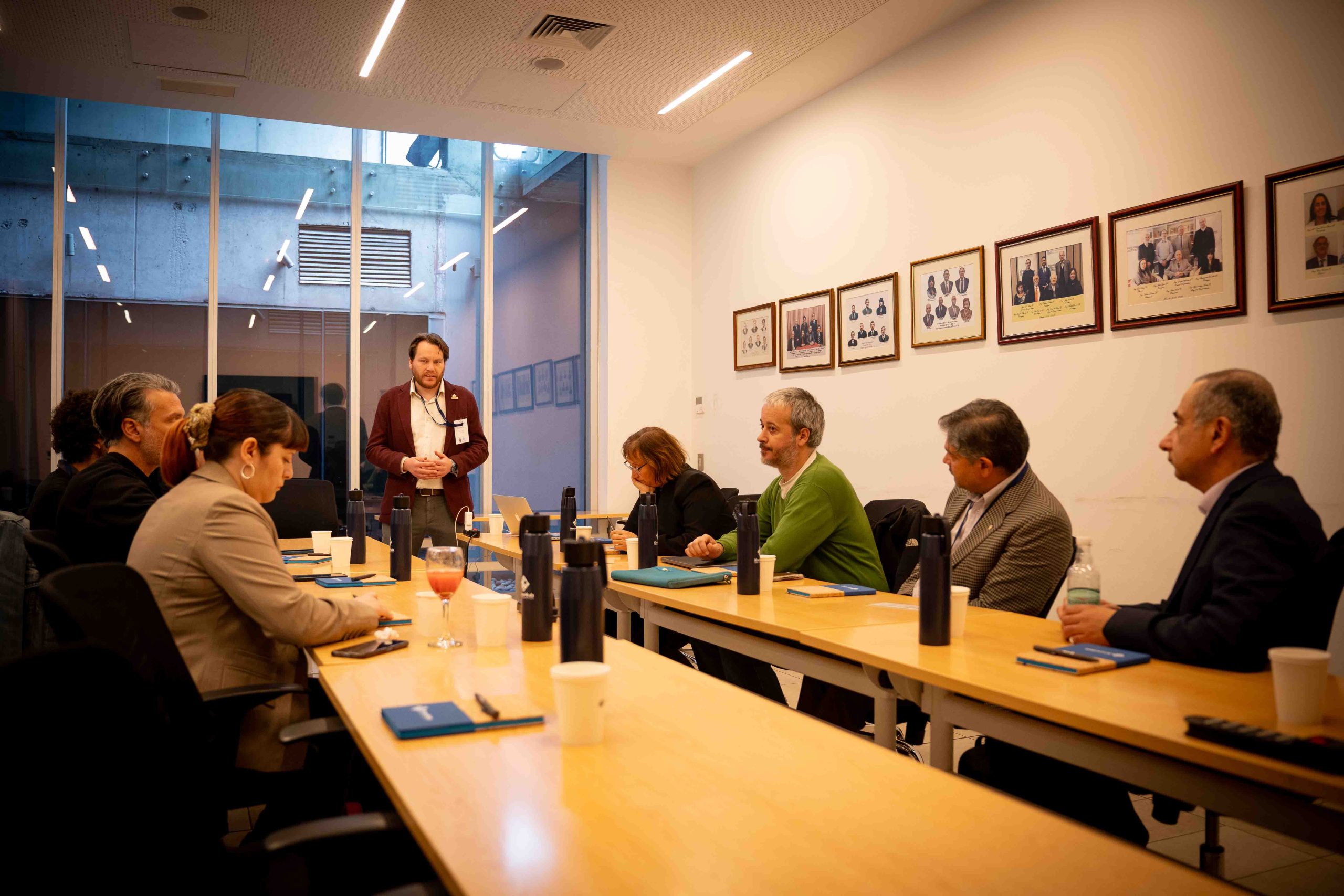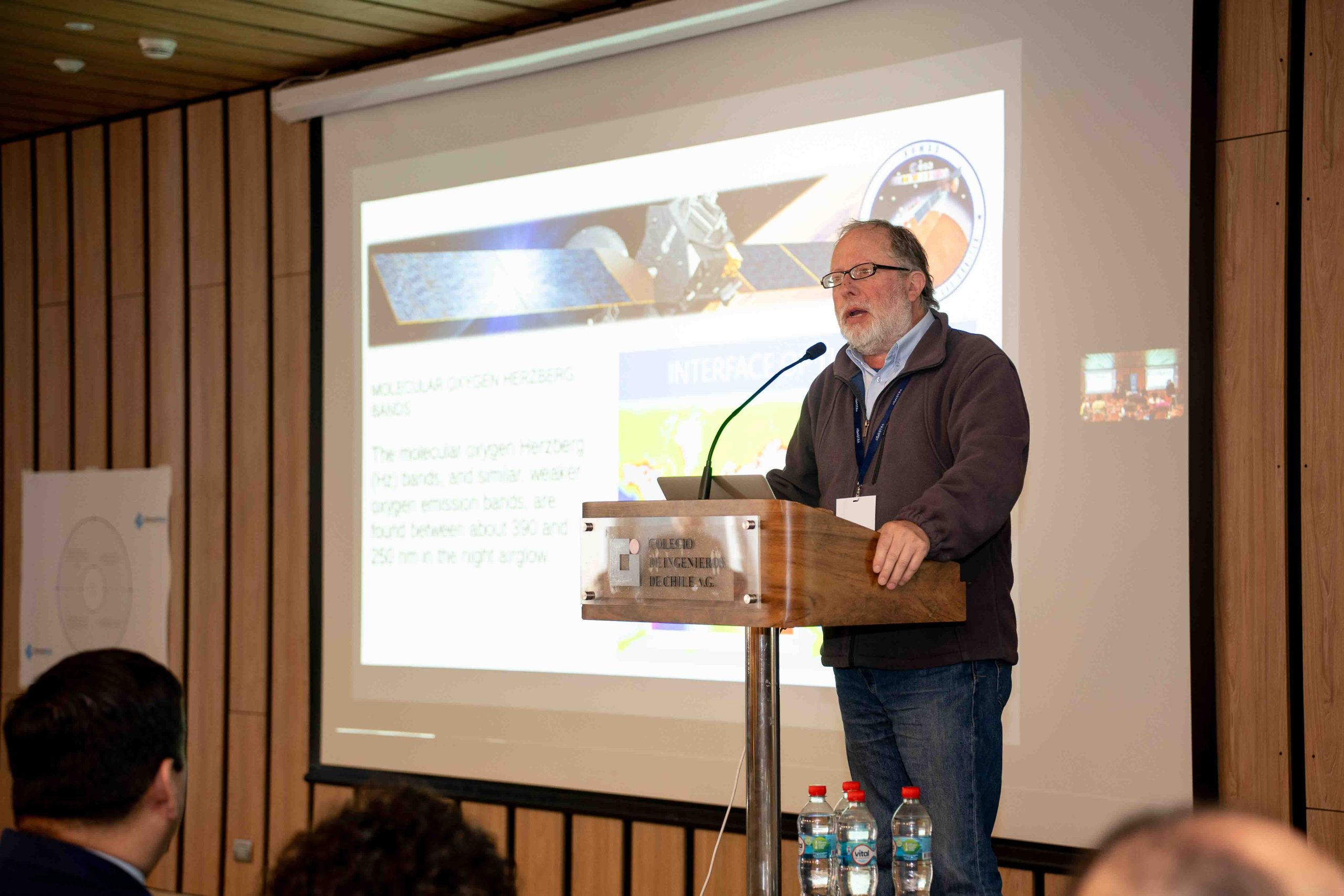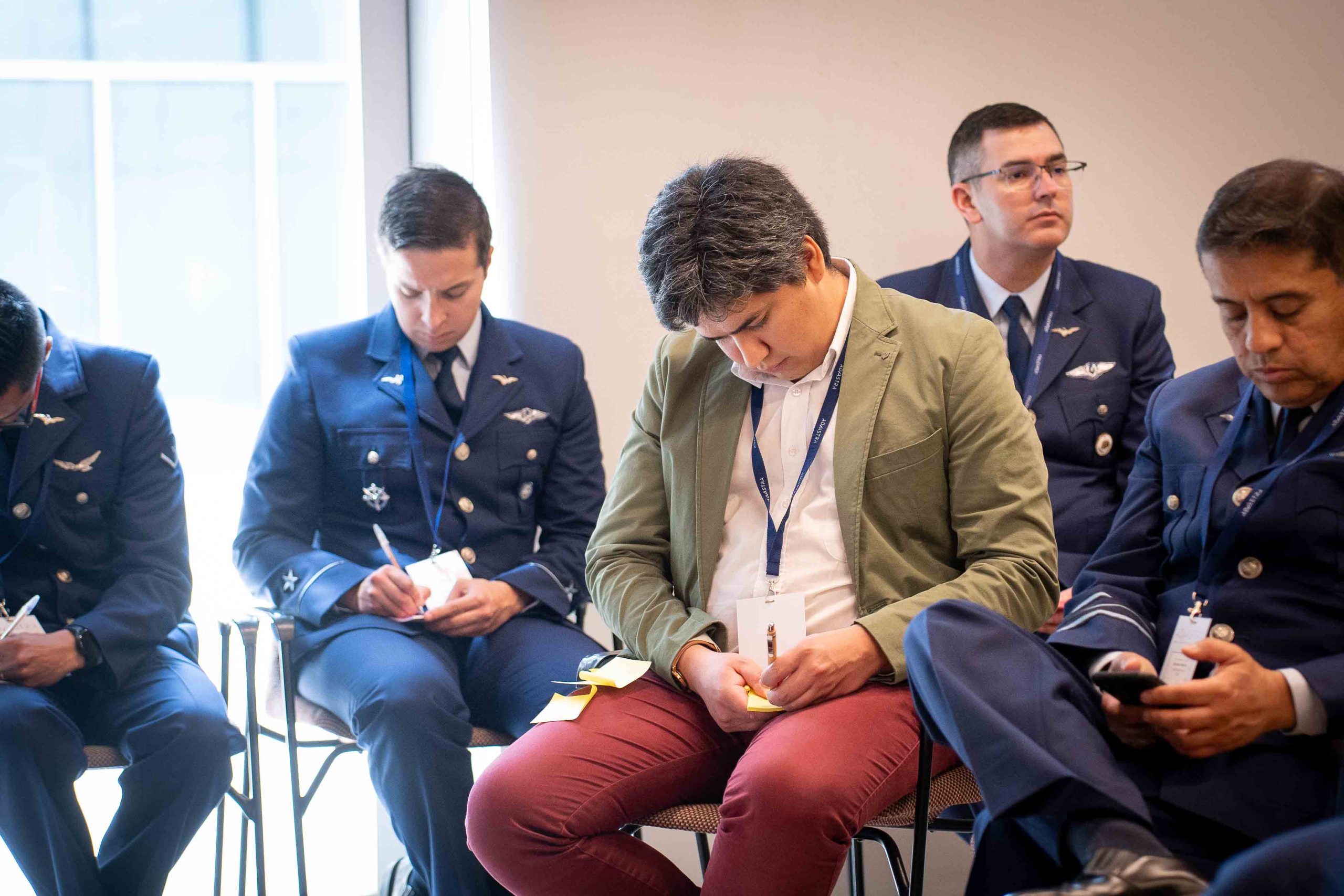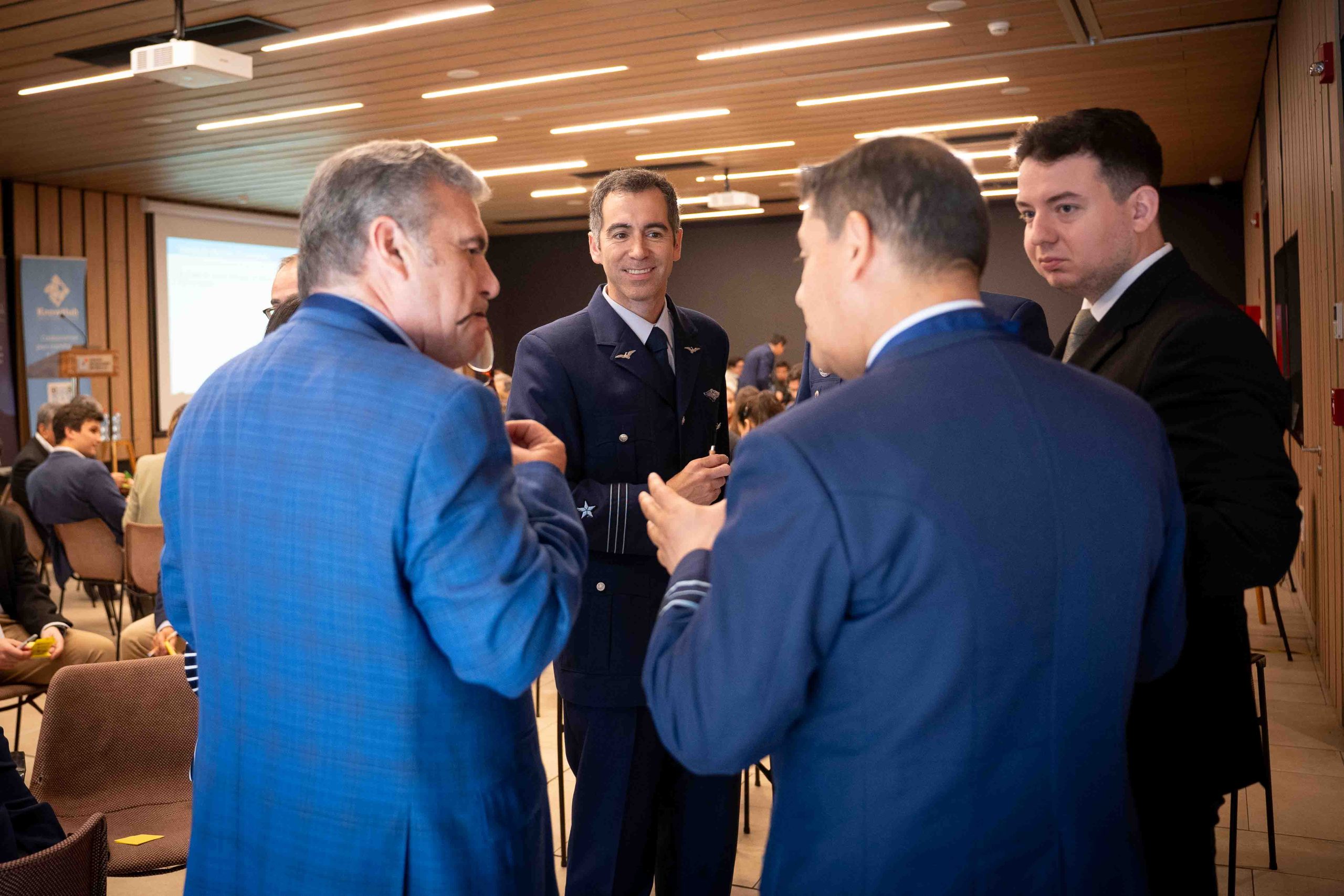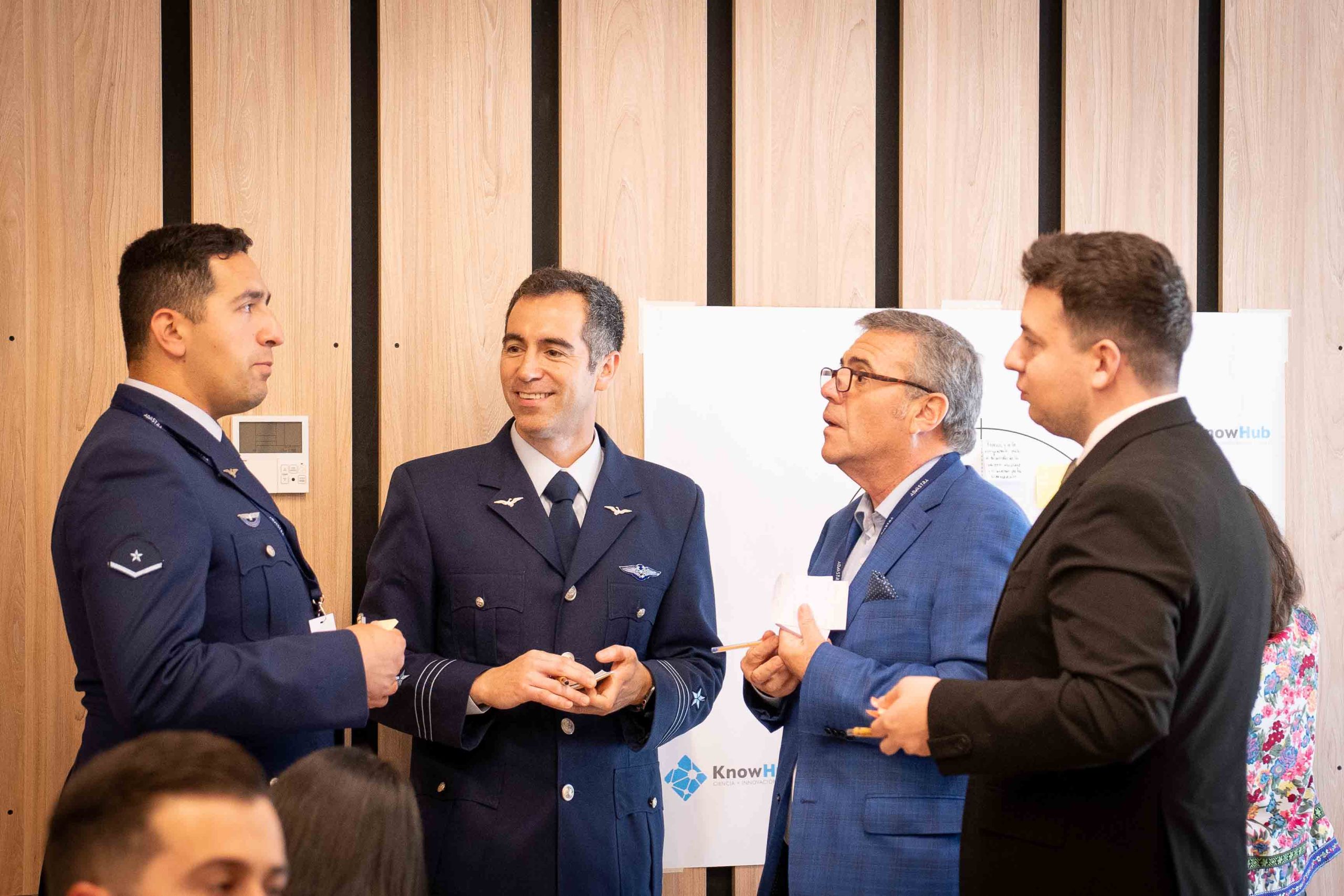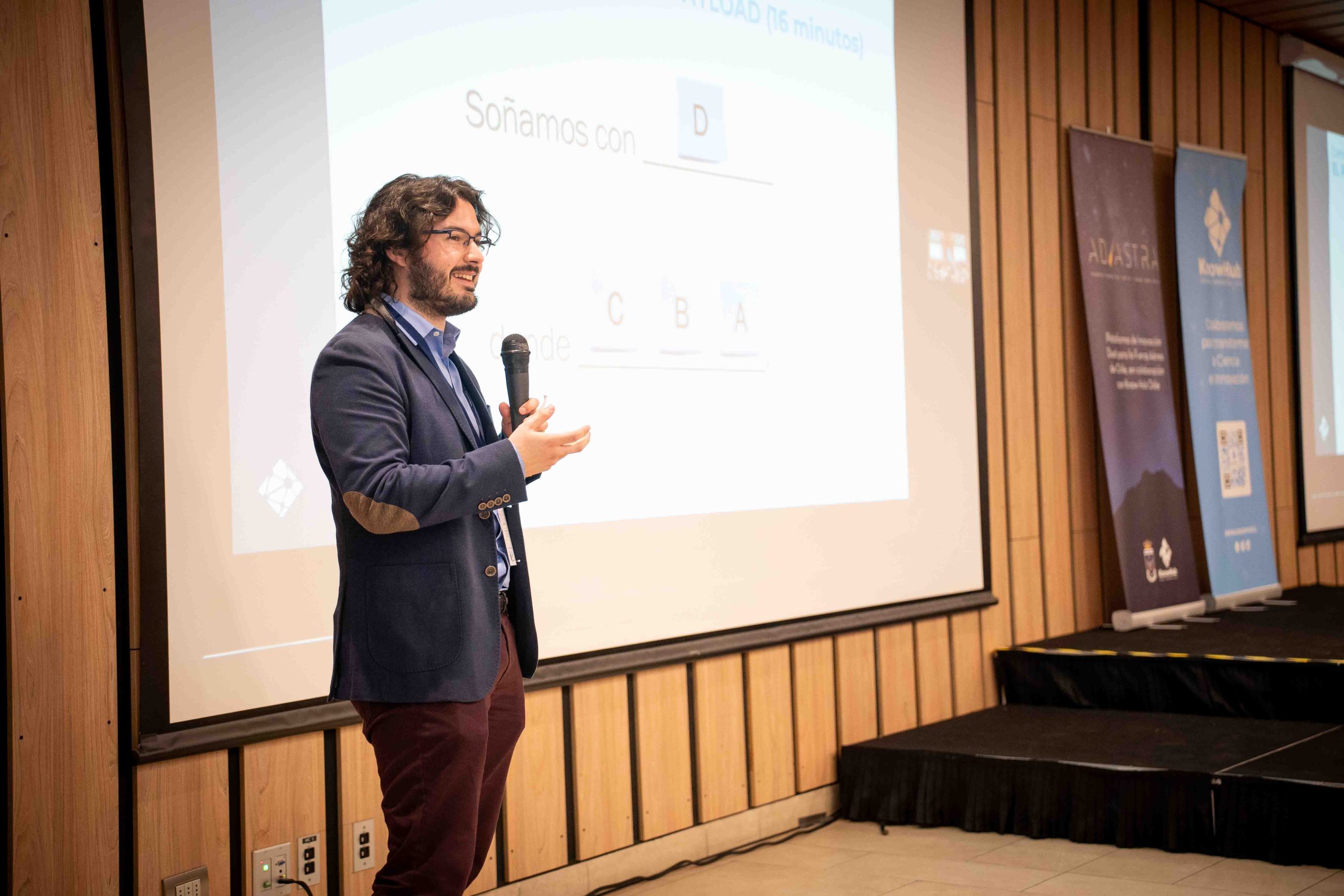



The National Payload program seeks to make a payload slot on one of the satellites of the National Satellite System (SNSAT), to be launched in 2027, available to the national science, technology, knowledge and innovation (CTCI) ecosystem. The workshop brought together experts from academia, industry and sector leaders, who showcased their capabilities and analyzed the opportunities and benefits of developing a national payload for the national satellite system.
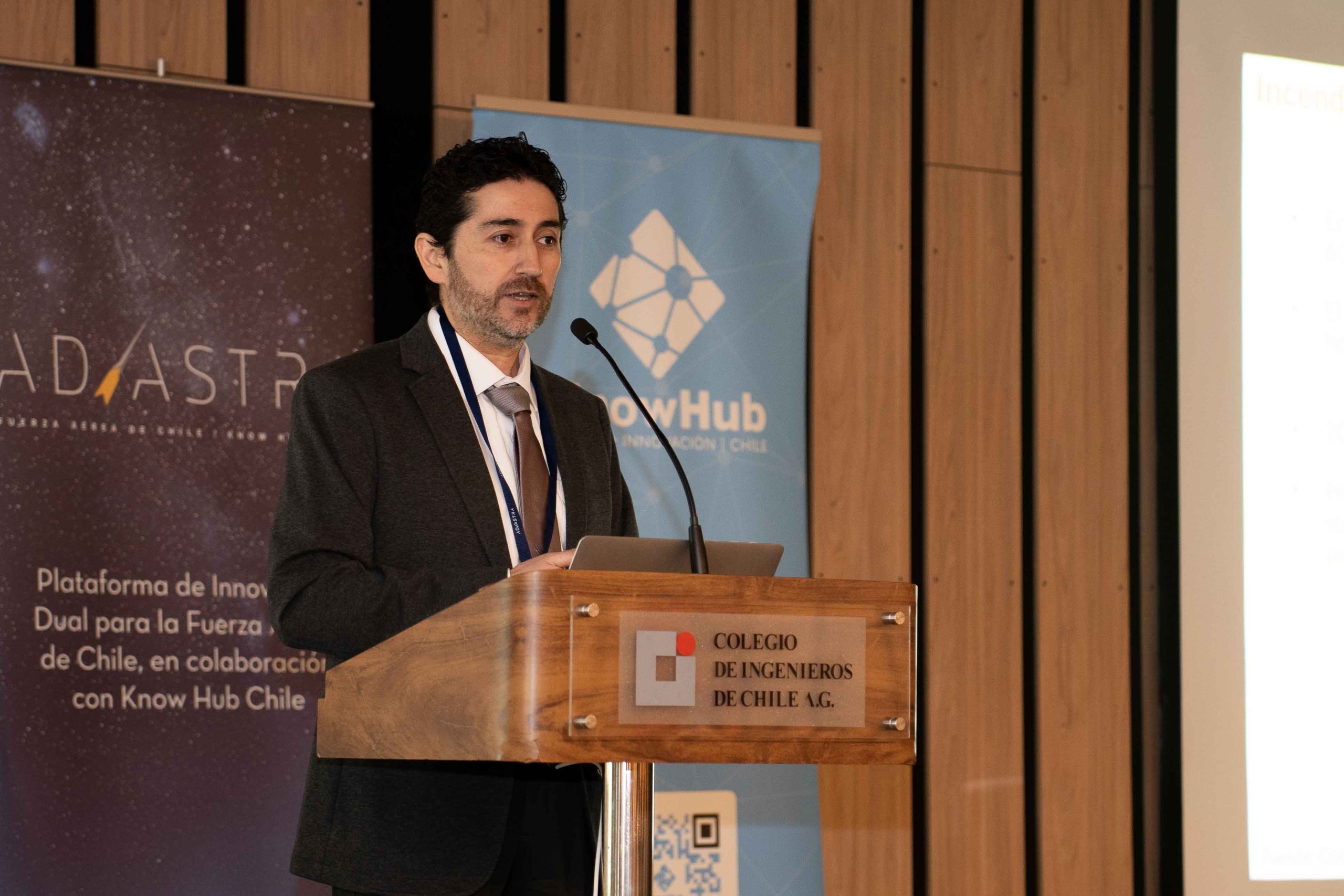
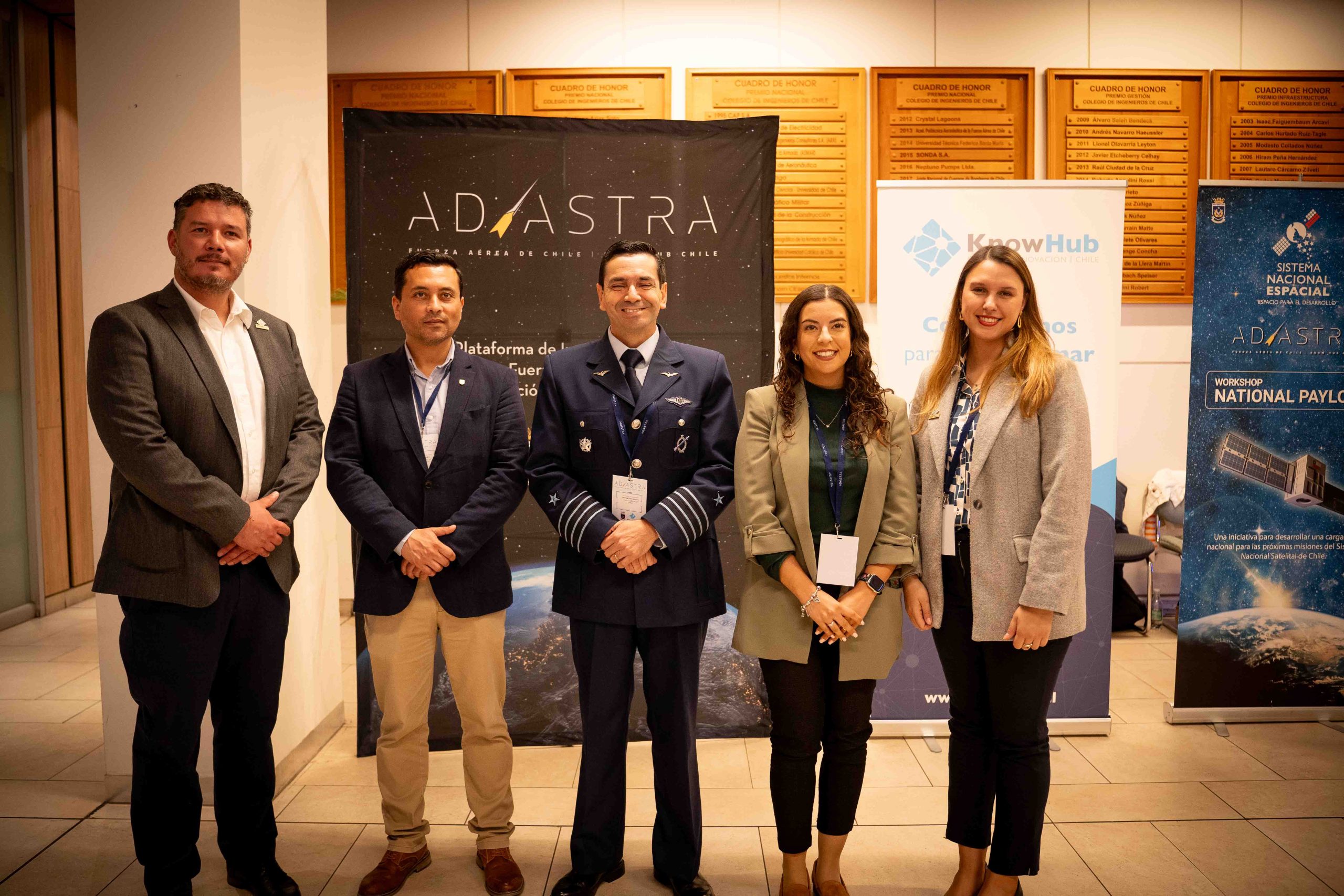
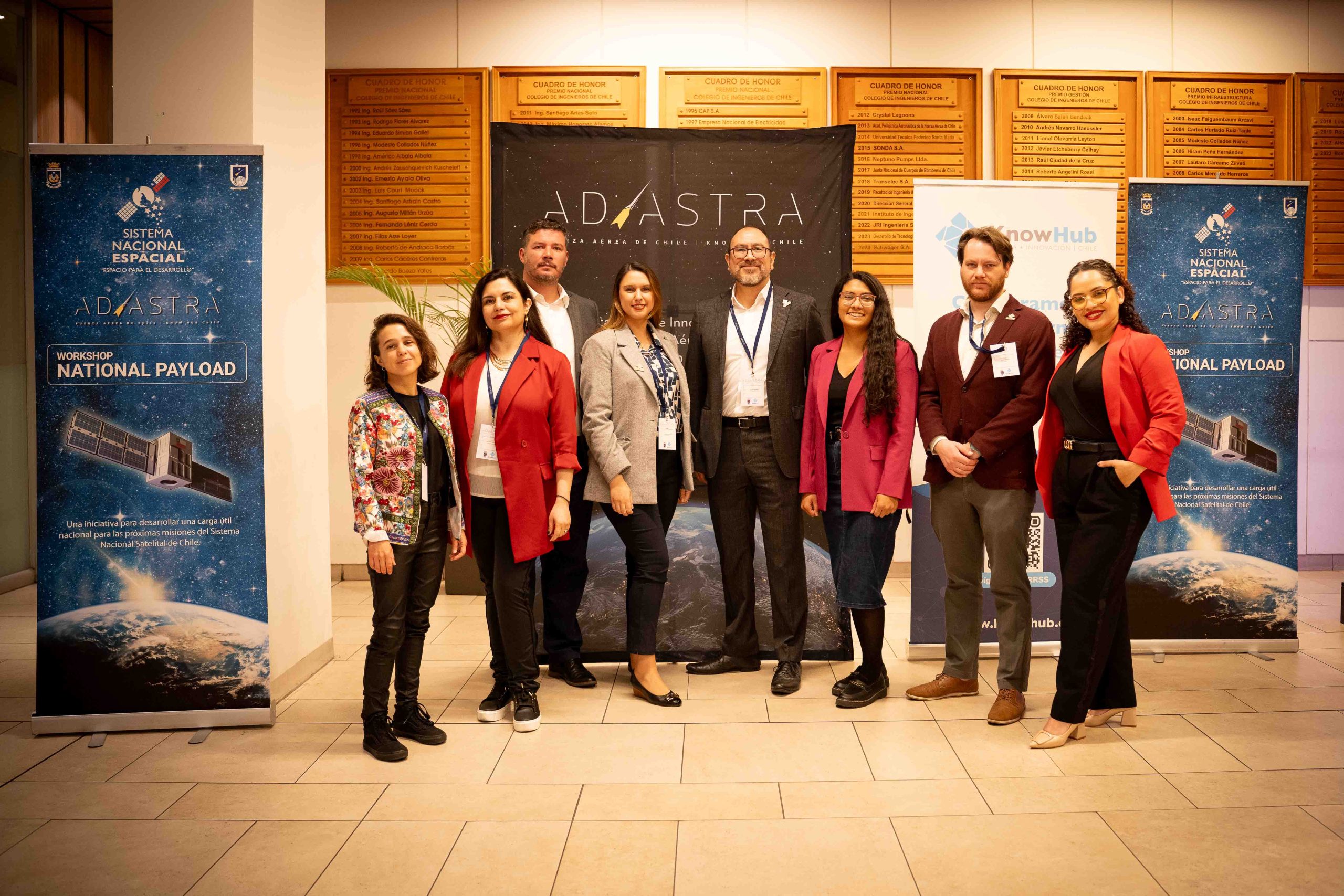
On October 9 and 10, the Colegio de Ingenieros de Chile hosted the first Workshop of the National Payload program, an initiative that is part of the Ad Astra platform developed by Know Hub and the Chilean Air Force (Fuerza Aérea de Chile). It aims to foster Chile’s integration into the new space economy, contributing to collaboration between the Science, Technology, Knowledge and Innovation (CTCI) ecosystem and the global space industry.
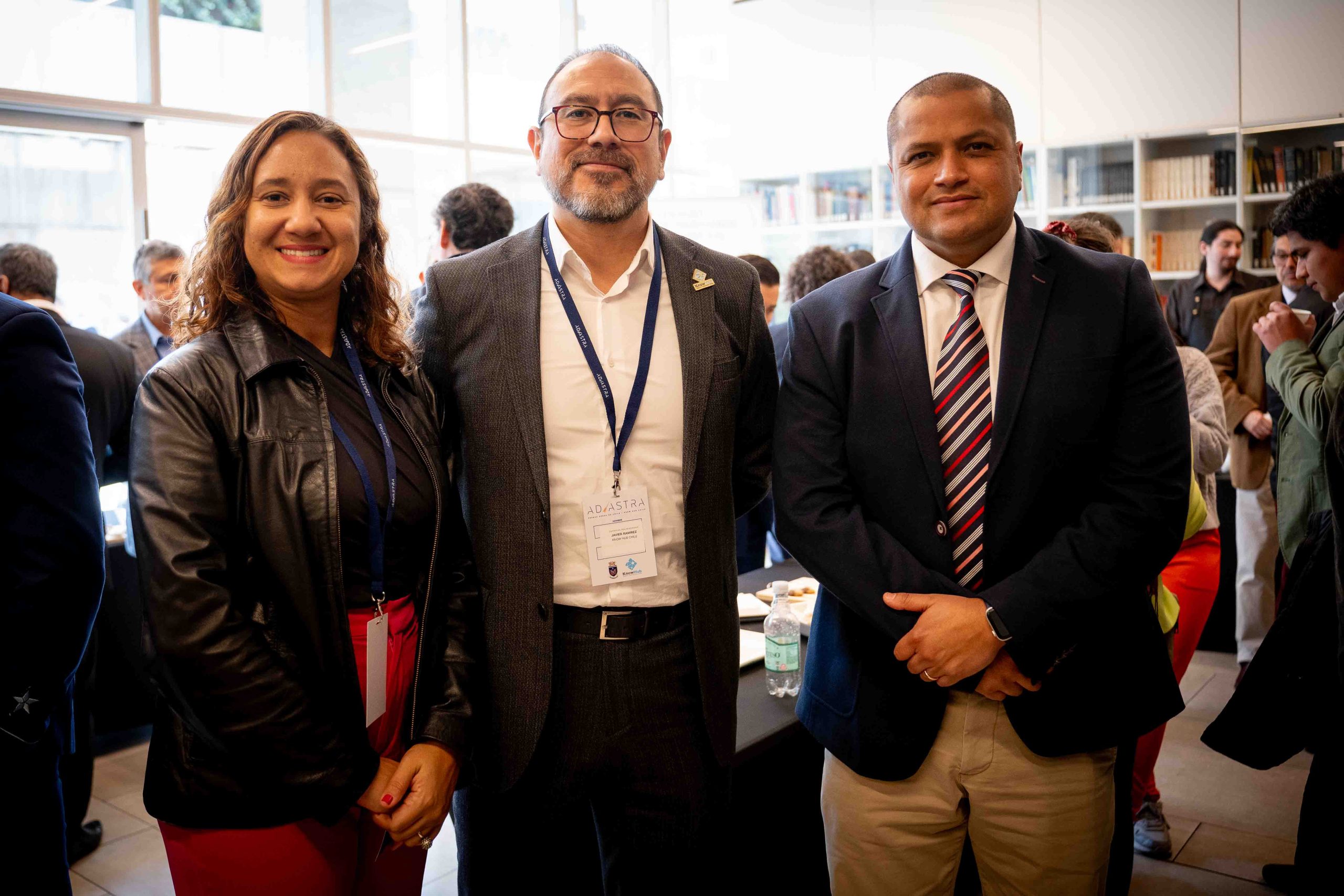
Javier Ramírez, executive director of Know Hub Chile, explains that the National Space System includes placing several satellites in orbit, and one of them, to be launched in 2027, includes a small payload slot: a space built into the satellite that can be used for many things, for example carrying measuring instruments that contribute to the satellite’s main mission. “This time it was decided that this space will be made available to the country’s science ecosystem, so that the community can contribute and submit projects that may require it. That is what was analyzed and discussed at this first workshop, which had excellent attendance, showing the CTCI community’s strong interest in this topic.”
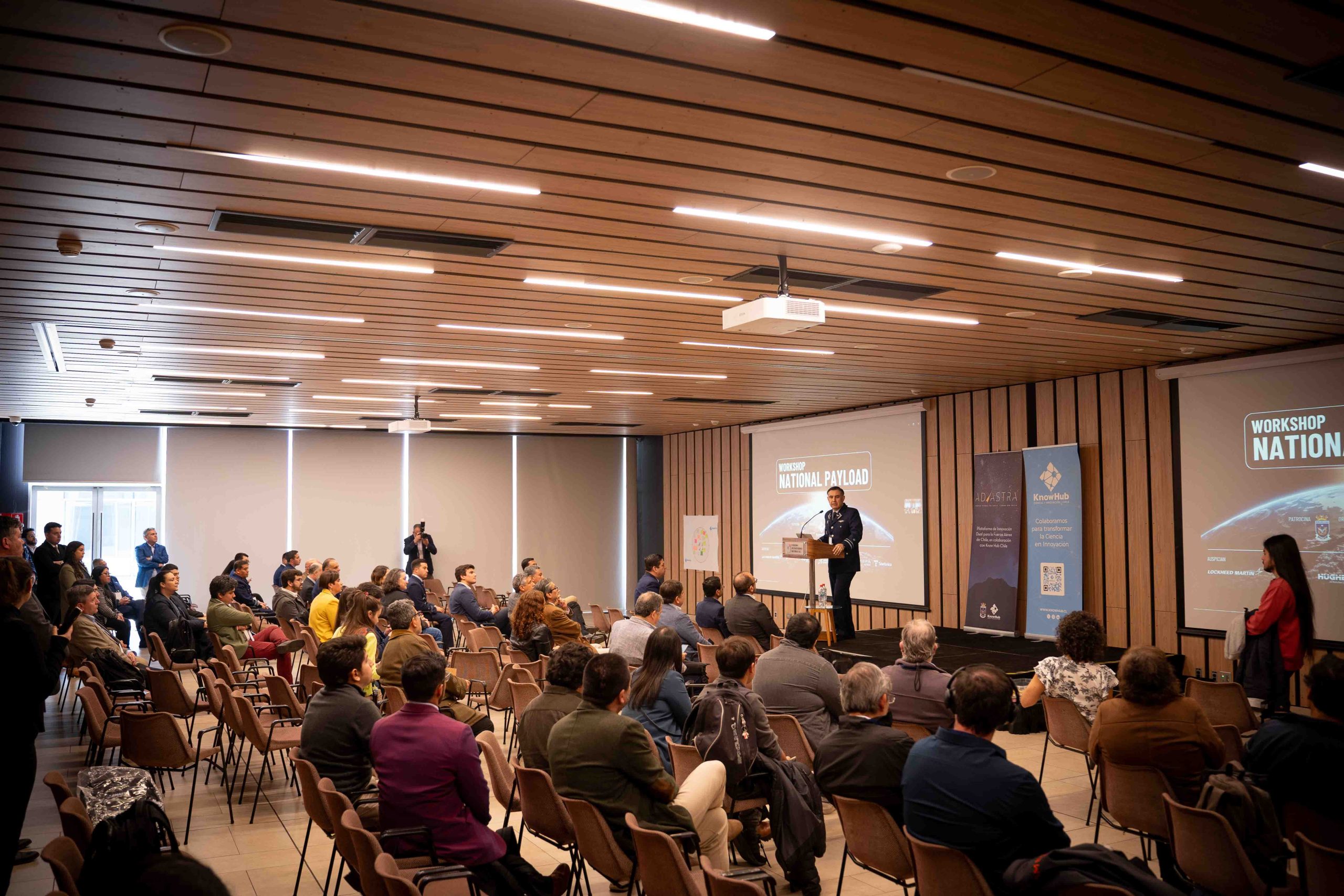
At the event, Brigadier General Luis Sáez Collantes stressed that space programs “are programs that challenge us, set higher goals for us, and taking on that challenge necessarily requires bringing out the best in our society. That is why space programs are strategic initiatives that countries implement with the aim of generating strategic changes in industry and in various other areas.” The Space Program, General Sáez added, is a cross-cutting initiative, and efforts such as National Payload seek to be feasible to implement.
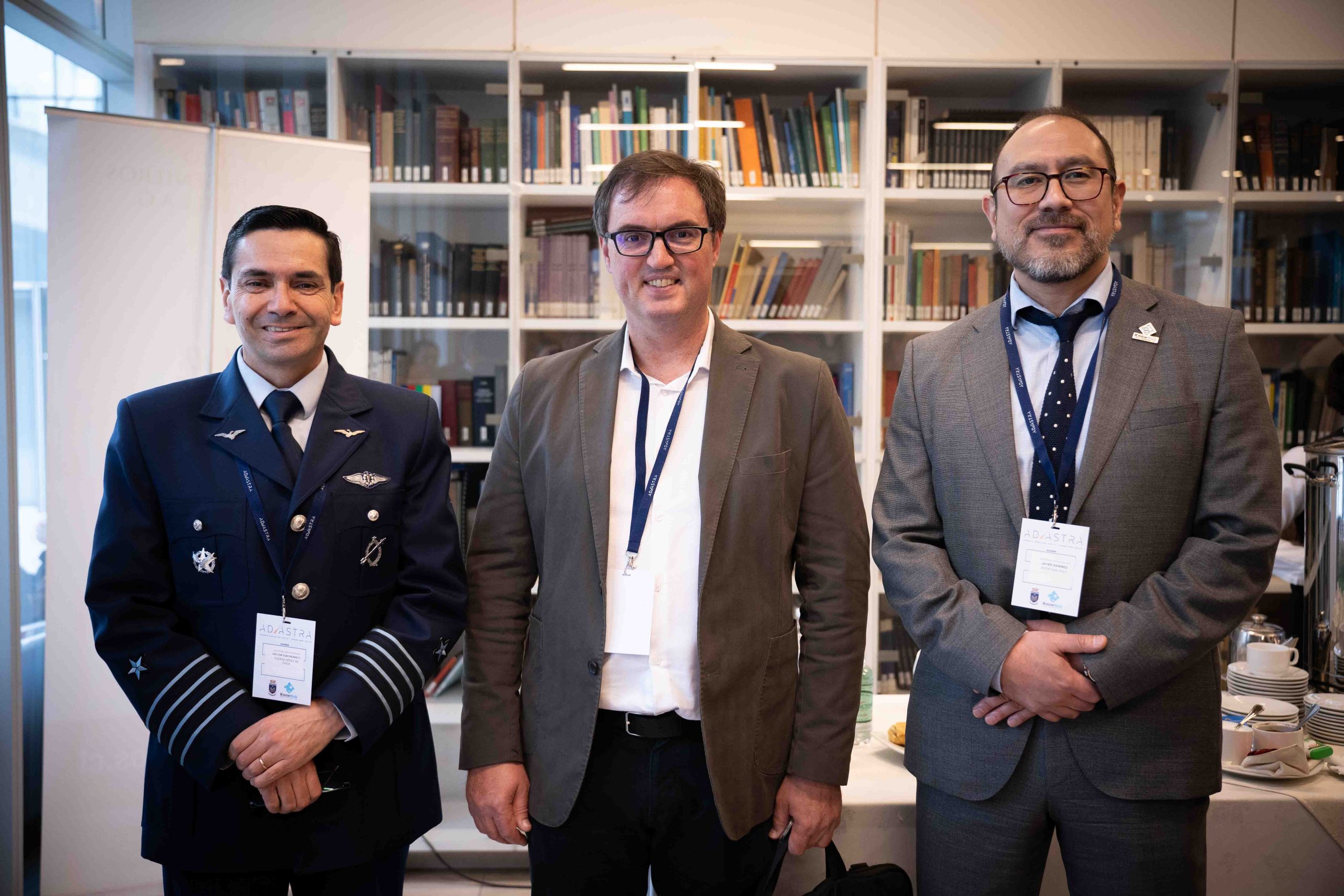
For his part, Colonel Héctor Contreras, director of the National Space Center, underscored the importance of the Space Program for Chile and its potential to deliver solutions in economic, social, geographic and meteorological areas, among others. “We all know Chile is a country with diverse productive sectors, and many sectors benefit from space: telecommunications, education, energy, mining, agriculture, etc. Space is therefore called upon to provide those solutions for a better society.”
Broad turnout and interest
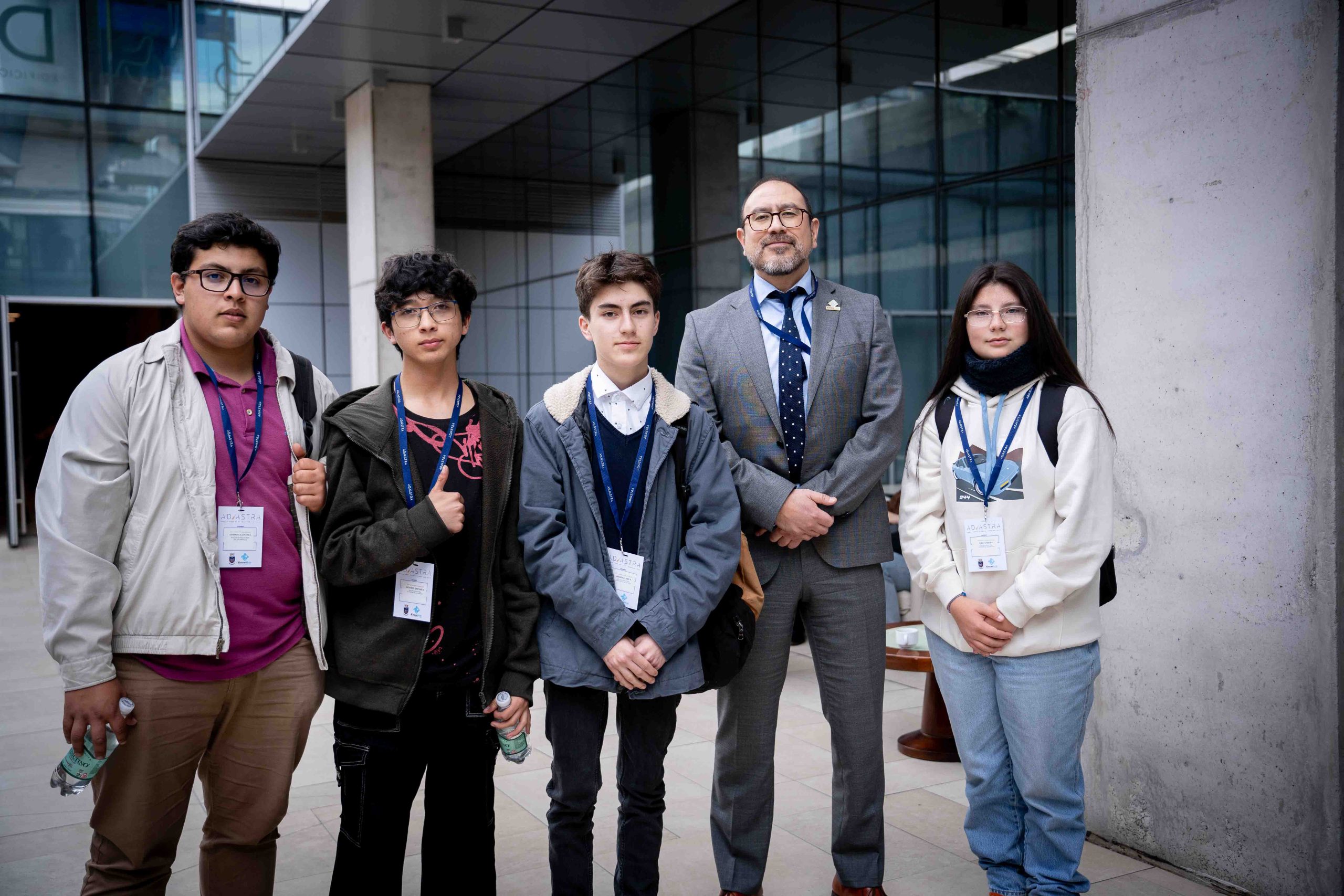
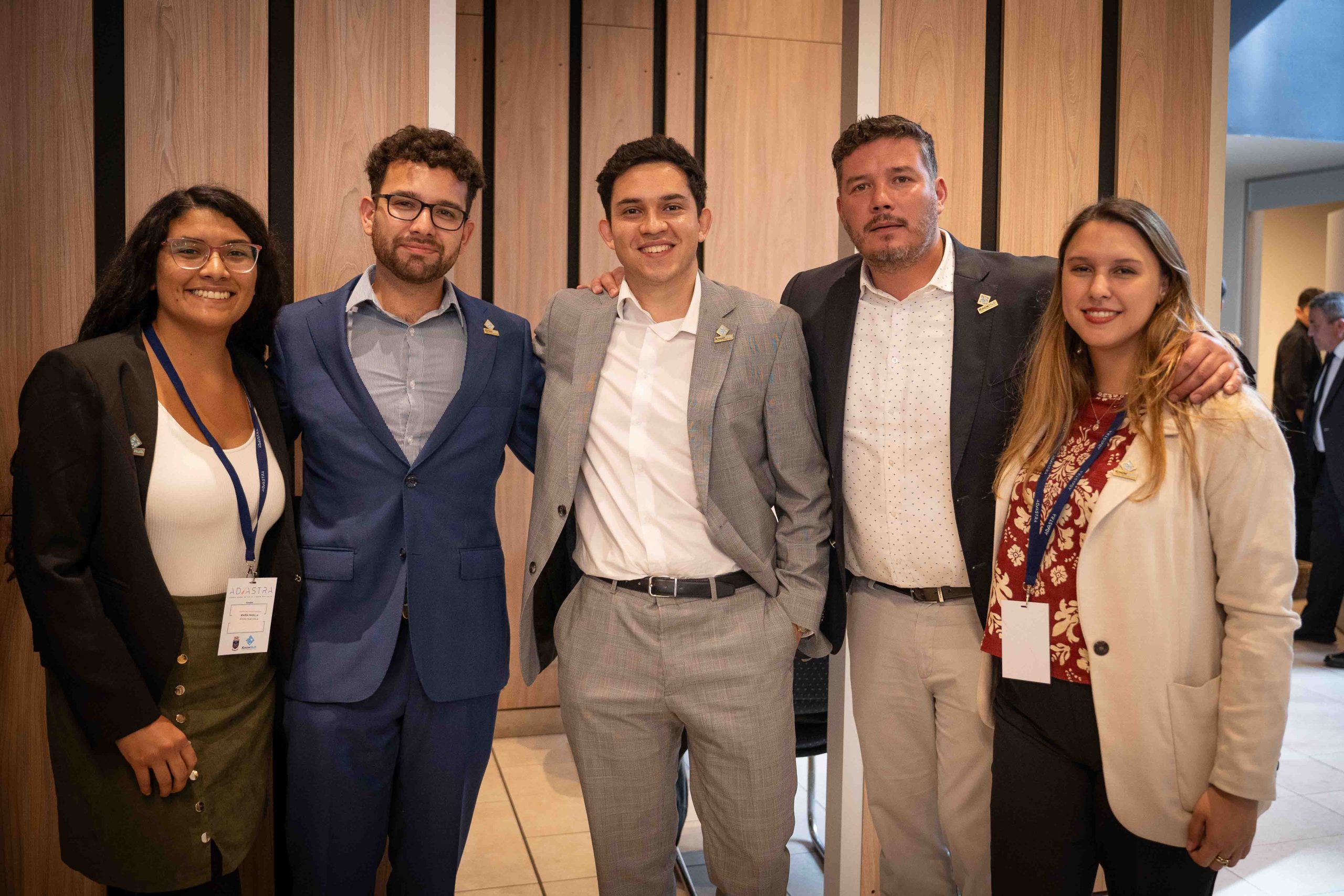
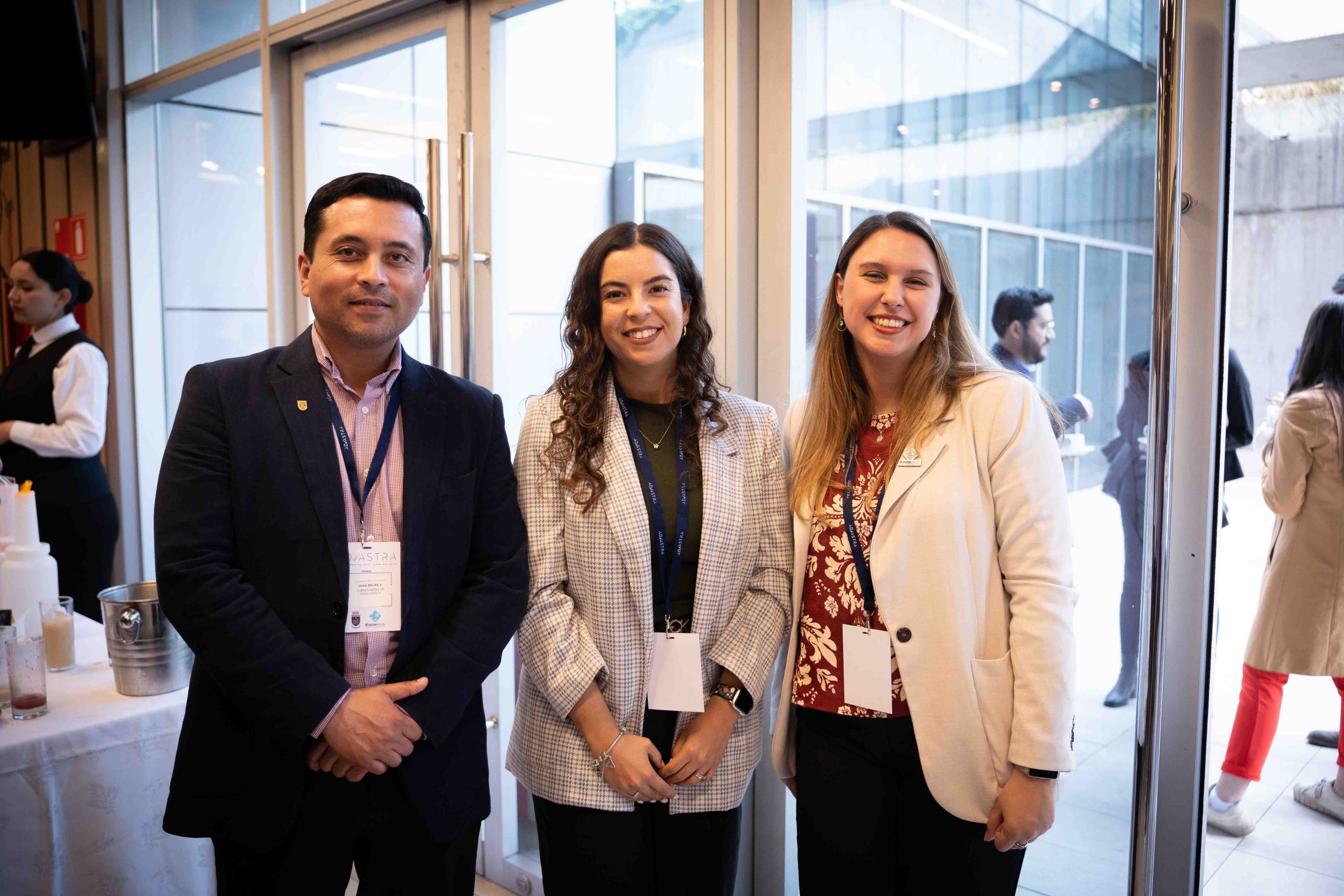
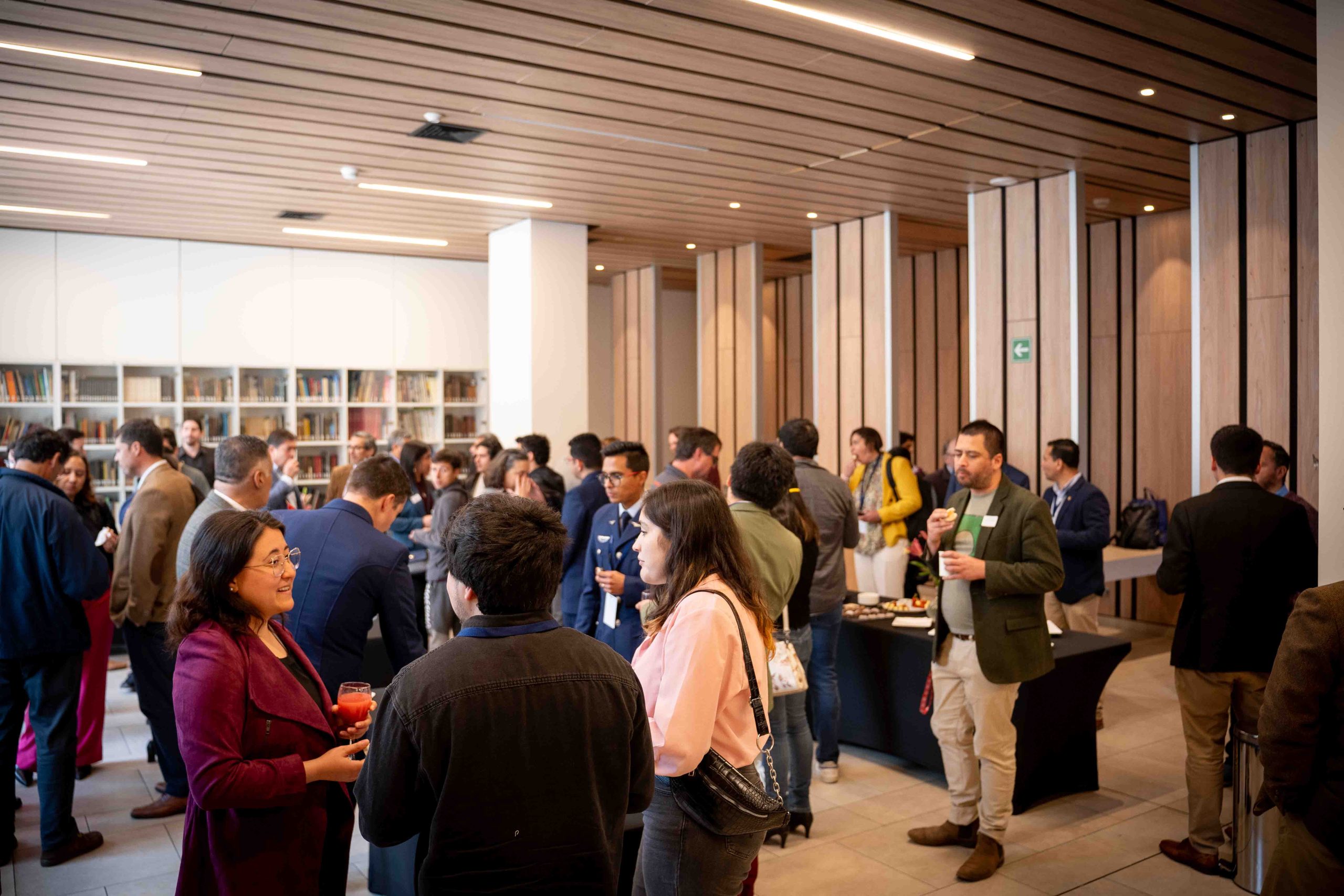
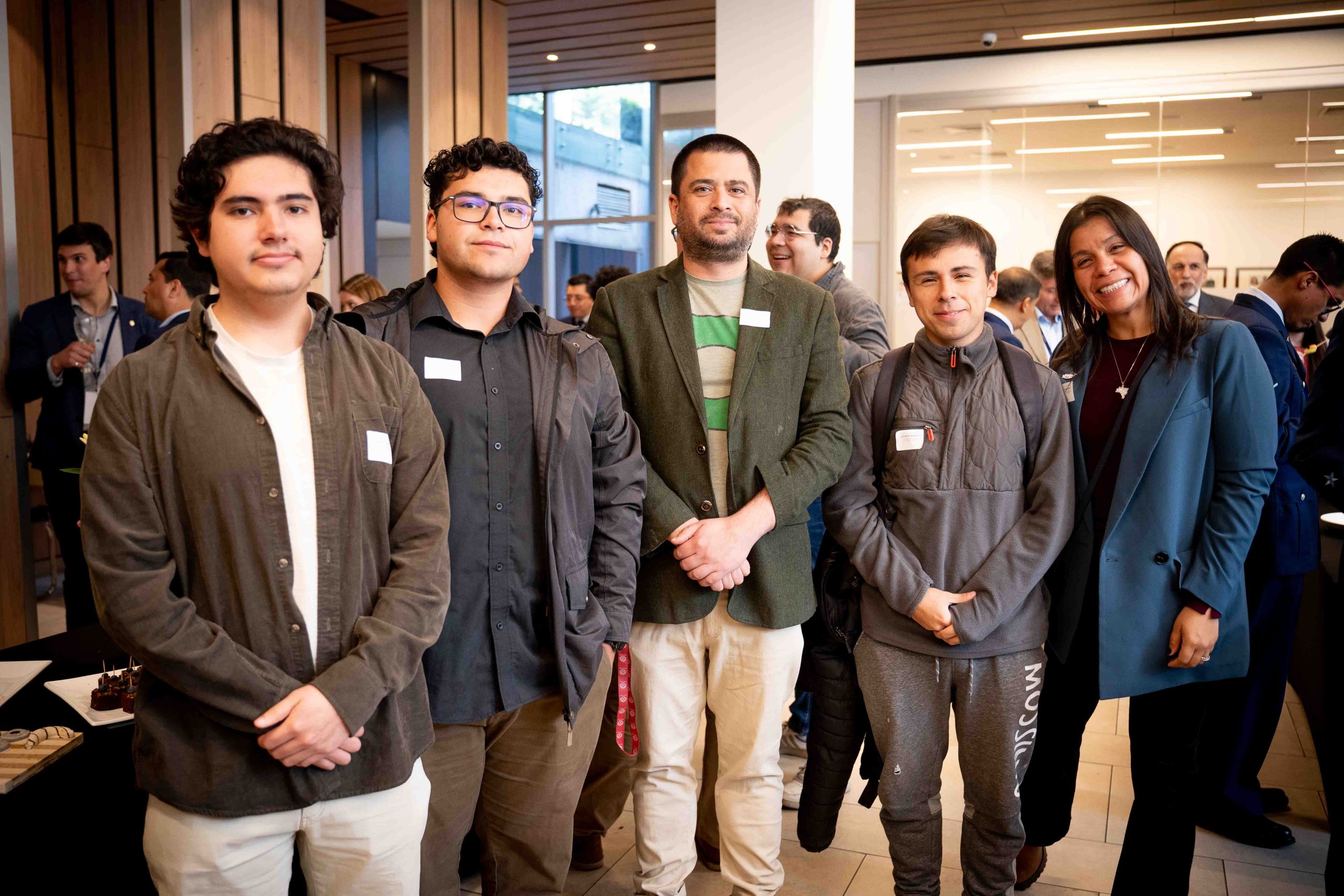
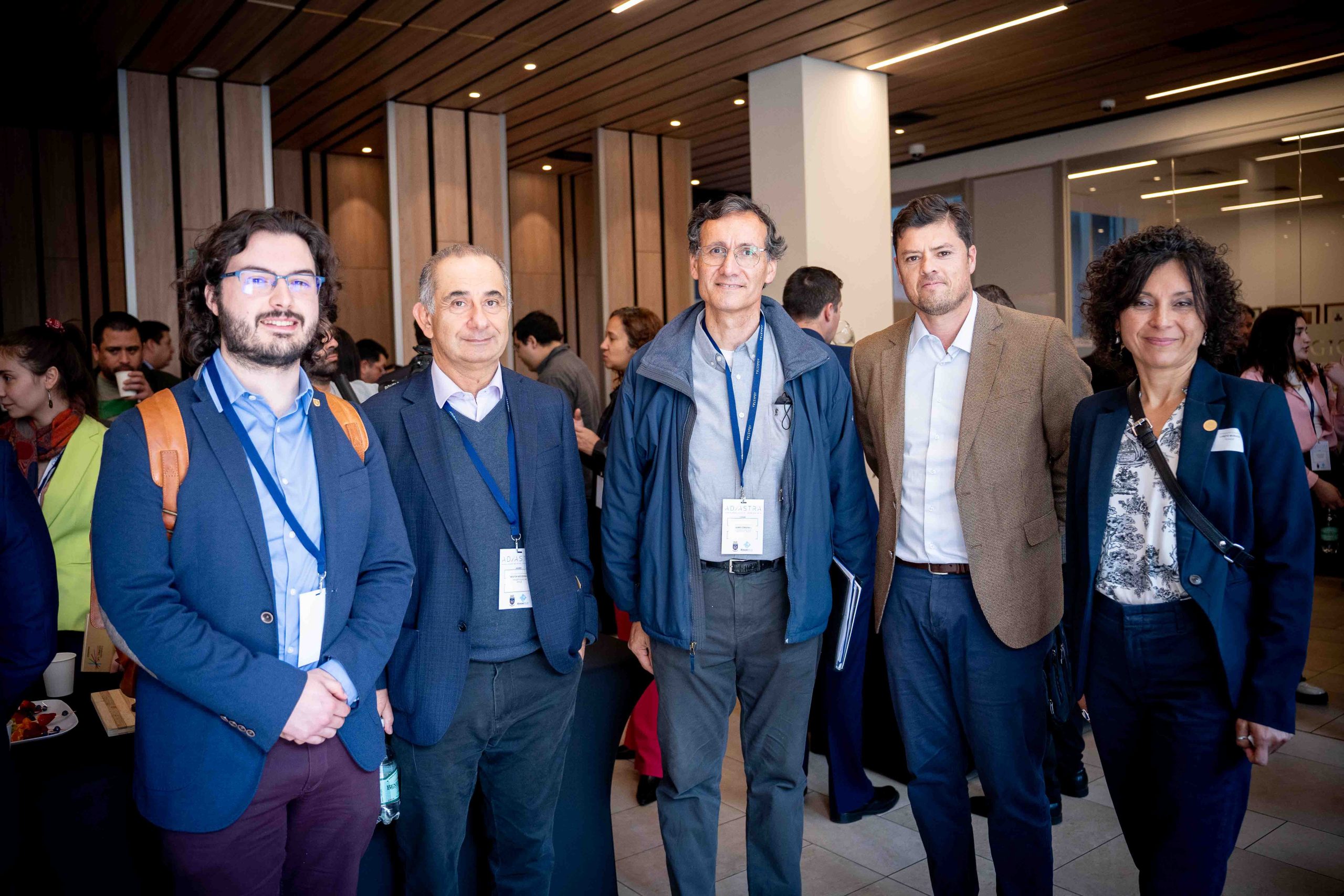
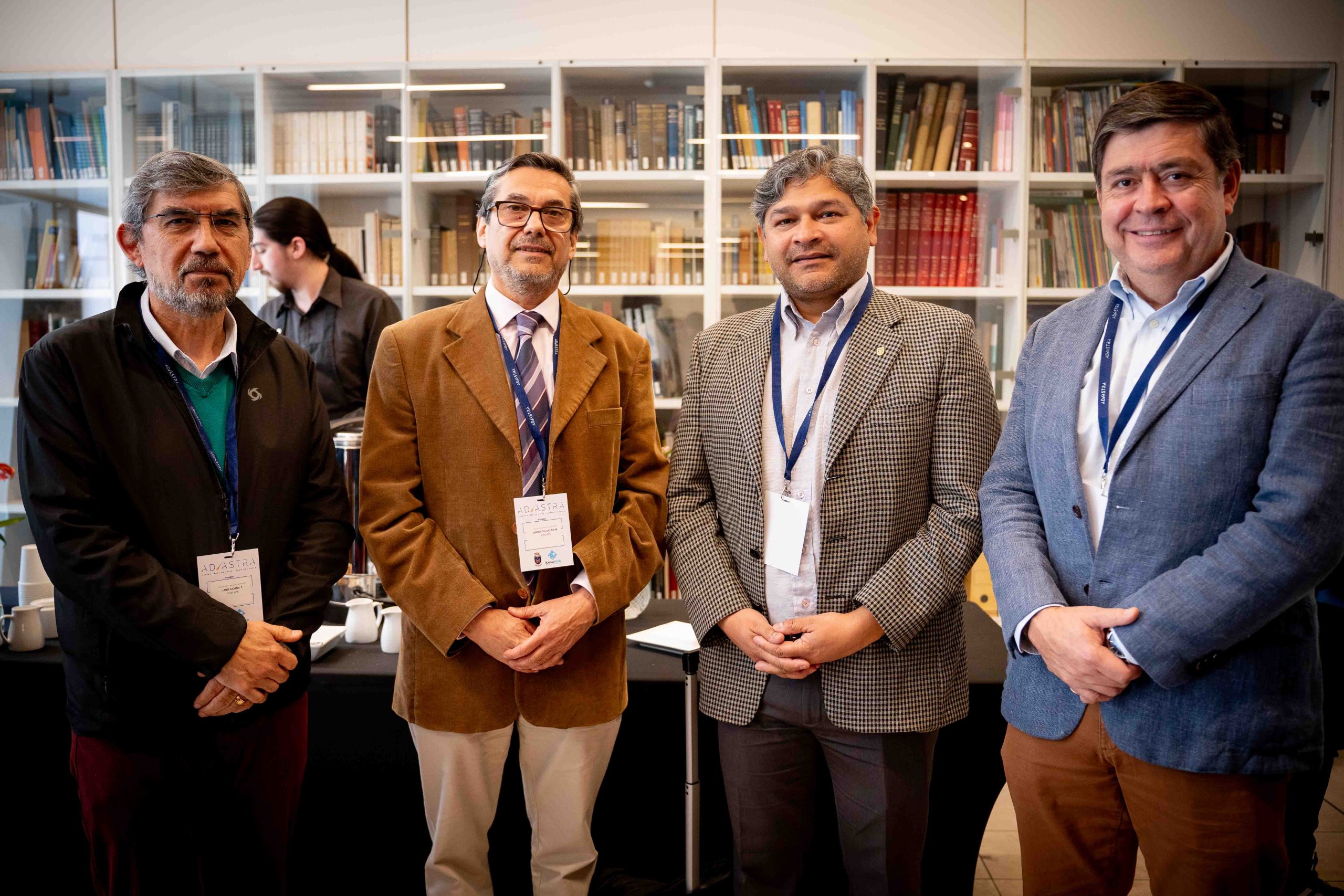
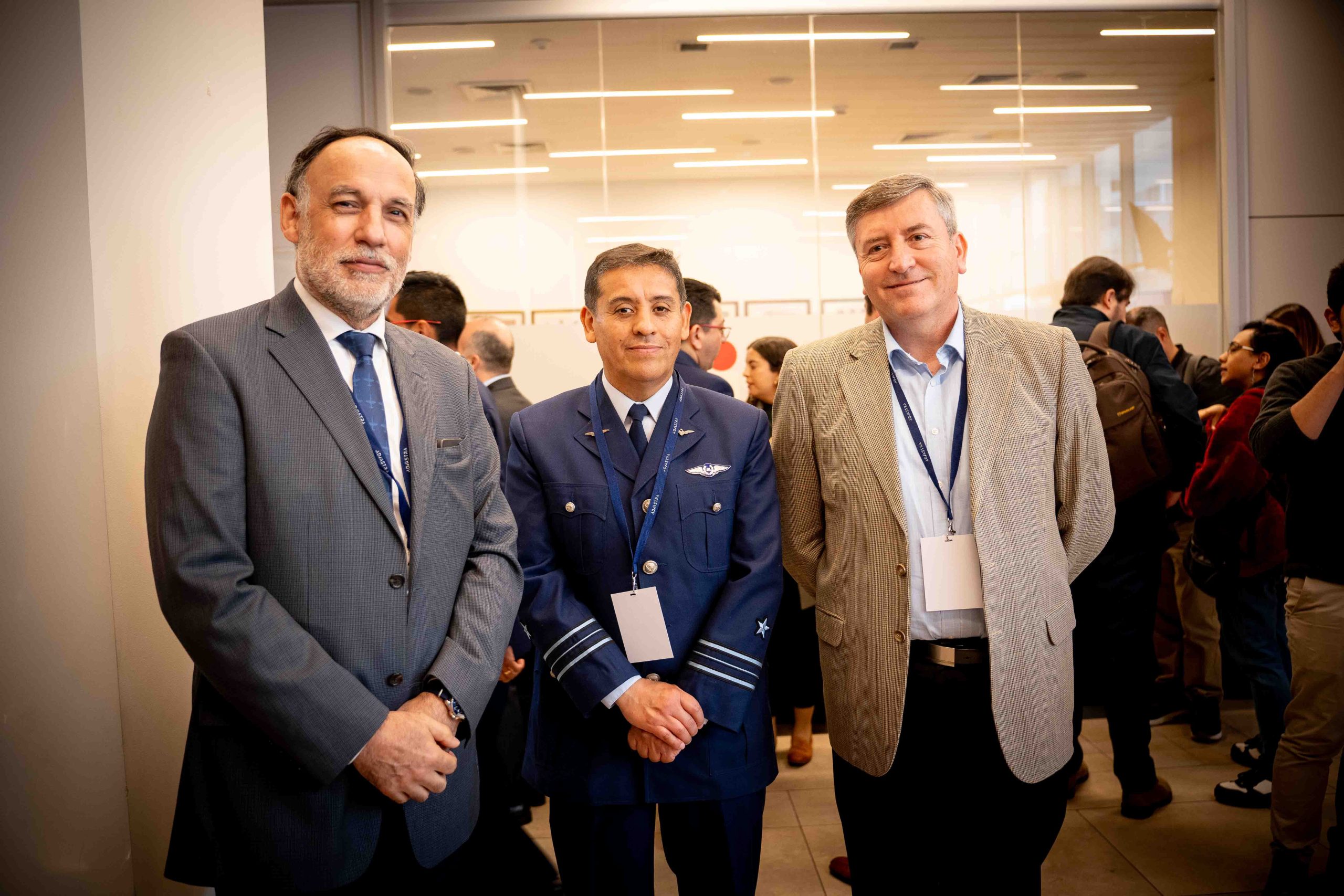
The workshop was attended by representatives from academia, business and national defense involved in developing technologies and generating space knowledge and capabilities. More than 200 people attended the activities over the two days.
The first day featured talks by Brigadier General Luis Sáez Collantes; Javier Ramírez, executive director of Know Hub Chile; and the director of the National Space Center, Colonel Héctor Contreras.
From academia, presentations were given by Rodrigo Cassineli, of Universidad Técnica Federico Santa María; Kevin Pulgar, of Pontificia Universidad Católica de Valparaíso; and Elise Servajean, general manager of the Center for Astrophysics and Associated Technologies, CATA. Among the sponsoring companies, participants included Lawrence Schuette, of Lockheed Martin; Anton Vasquéz, of Alen Space; Thys Cronje, of Simera Sense; Pierre Duquesne, of Ororatech; Andrés Briceño, of CIINDA; and Aras Balli, of Aselsan.
The second day included presentations by Pablo Aqueveque of the Center for Industry 4.0 at Universidad de Concepción; Fredy Rojas, of ARAUCO; Nicolás Moreno, of Oxygensat; and Carlos Vásquez, of Pontificia Universidad Católica.
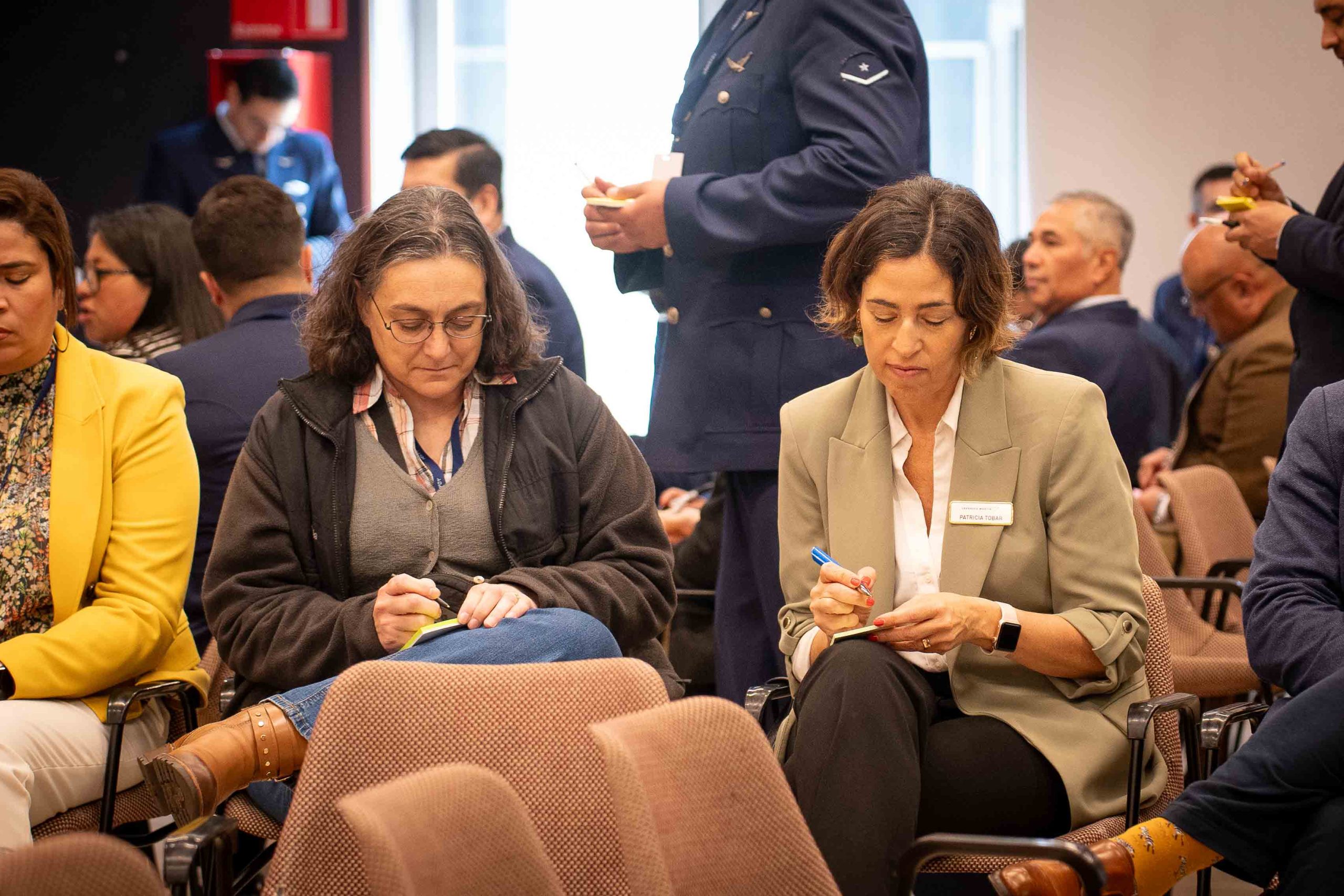
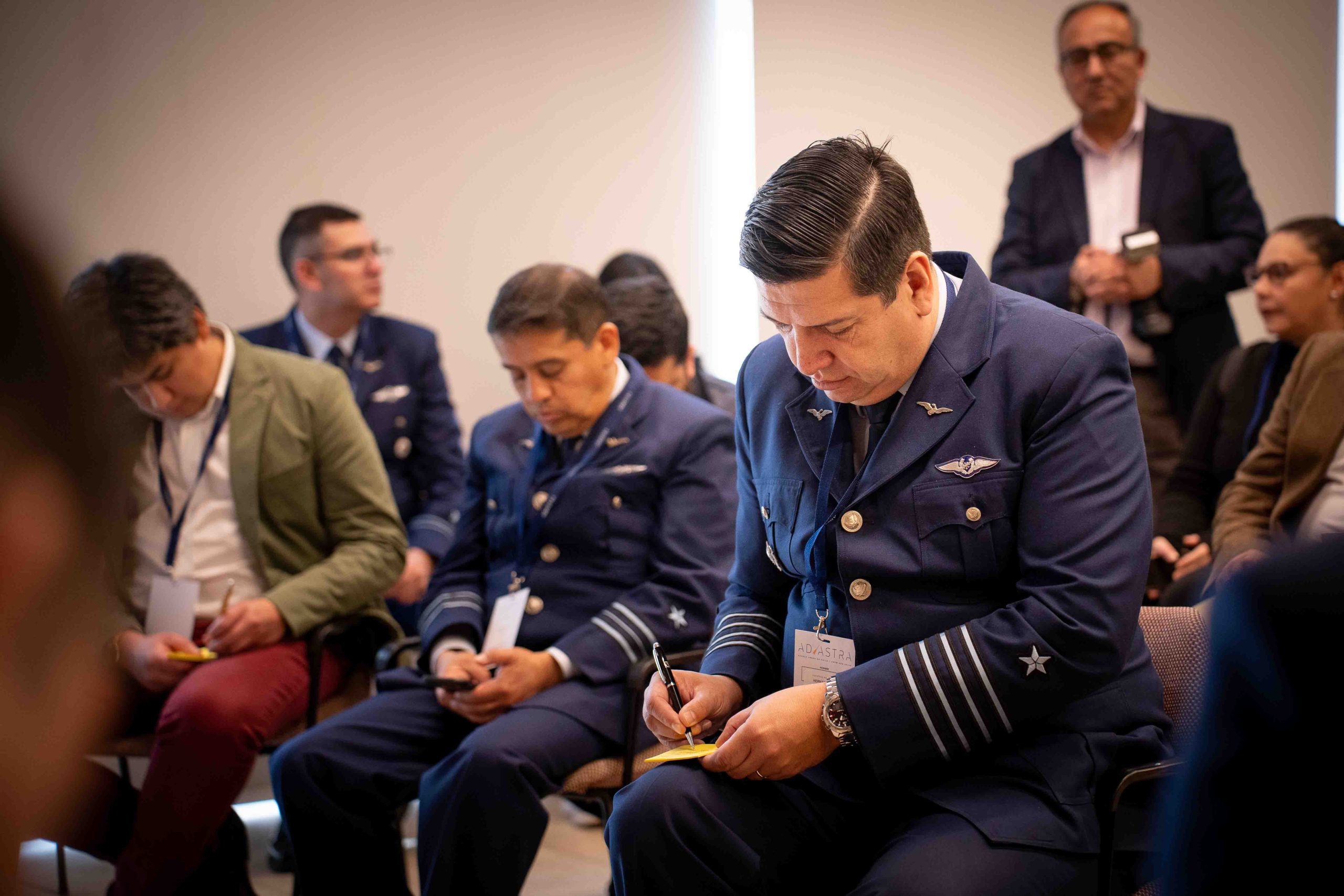
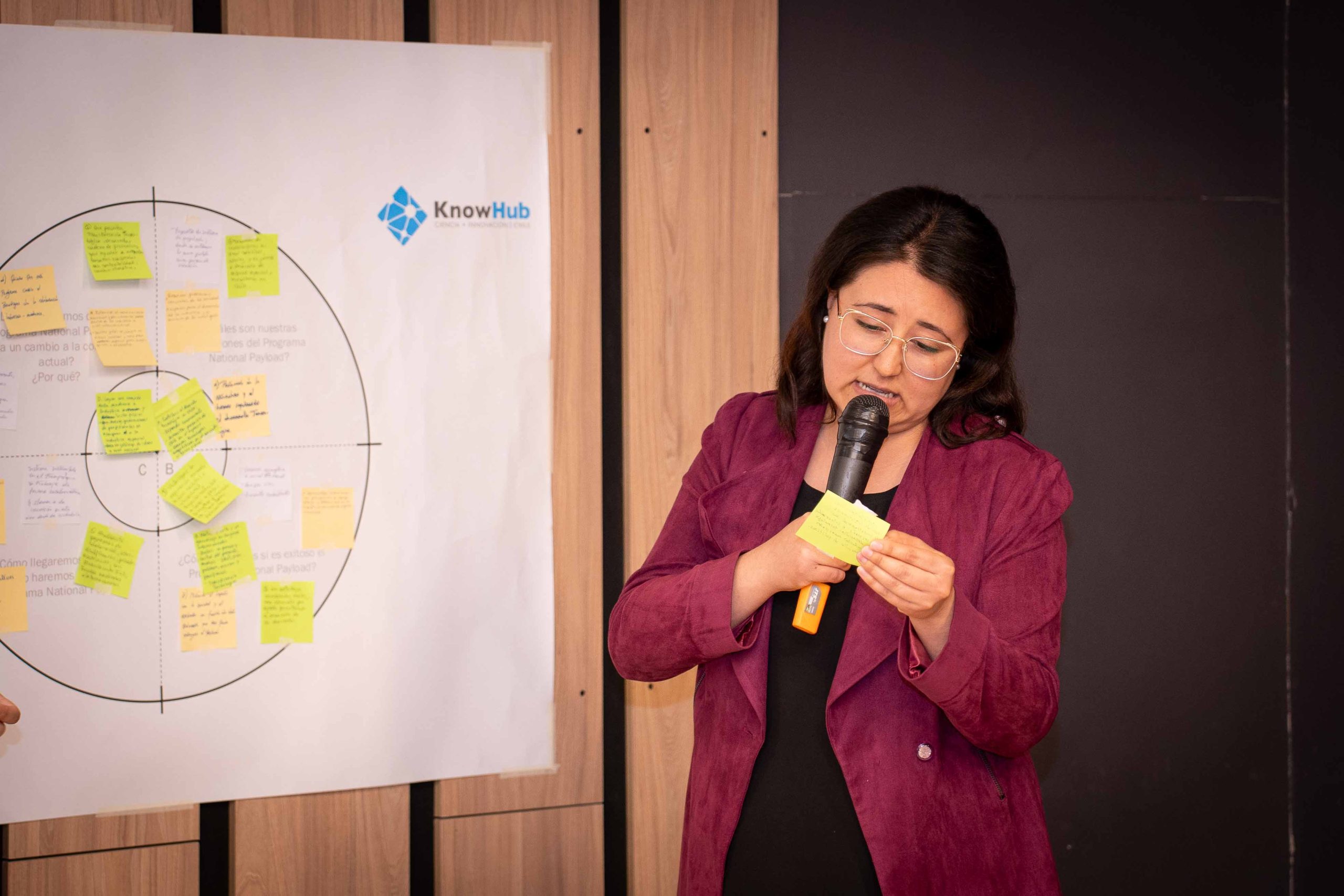
The event ended with a workshop in which attendees from different fields shared their perspectives on the opportunities and benefits of developing a national payload for the national satellite system. All these viewpoints help shape the National Payload program over the long term.