Spherical chickens and innovation

Know Hub News
· Santiago

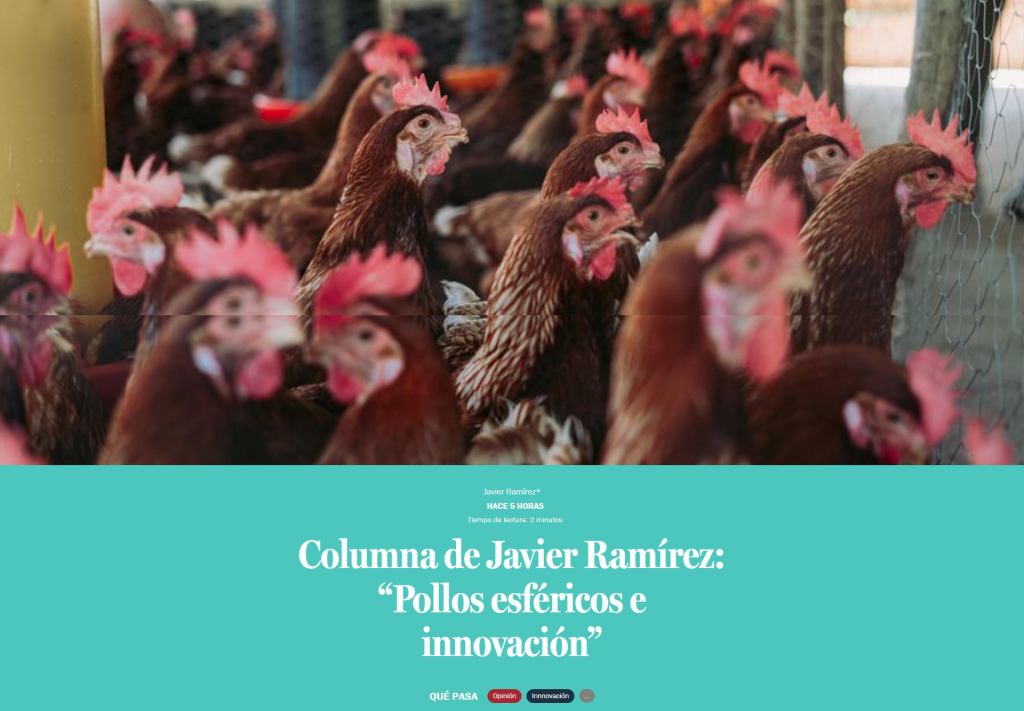
Source: La Tercera
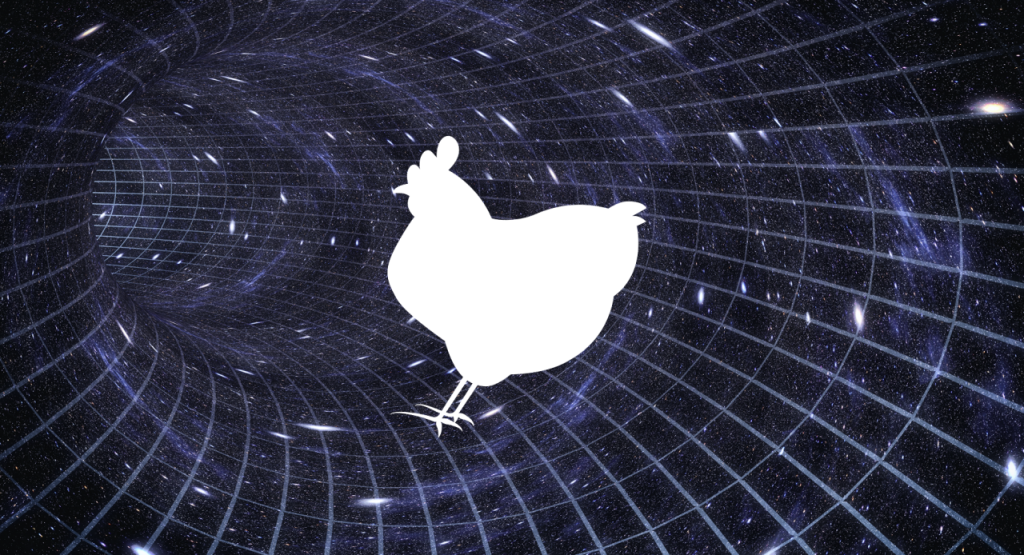
There are many versions of the joke that became famous thanks to its appearance in the sitcom The Big Bang Theory. A physicist is hired as a consultant on a poultry farm to solve a production problem; after doing his calculations he finds an answer, but before explaining it he warns that “this solution only works for spherical chickens in a vacuum.”
The anecdote, which reflects physicists’ habit of giving their proposed solutions ideal boundary conditions, extends far beyond the borders of theoretical physics and also reaches technological innovation.
A paradigmatic case is white-rot fungi. Behind that not-so-sexy name lay a technology that promised to be one of the great technology transfer success stories in Chile. After a series of successful R&D projects co-funded by the State and large companies and carried out by the University, the fungal strains and their revolutionary method for digesting wood lignin, and therefore bleaching the pulp, heralded excellent results for the pulp industry, not only financially but also environmentally, by considerably reducing the use of chemicals in the process.
However, after more than CLP 1 billion invested in R&D, patents and the setup of a production plant, the project was ultimately shut down without ever delivering the promised solution. What happened?
Like the physicist in the joke, the technology was conceived under ideal application conditions. Simplifying the situation, it assumed storage yards at the pulp mills where logs were kept in neat rows while an army of workers with brushes applied the semi-solid paste containing the fungus. In reality, the mounds of logs piled up haphazardly meant that worker safety, implementation costs and, in general, coordination with the rest of the plant’s operations made practical application impossible. The solution proposed by the company: a shower system would soak the logs as they entered the plant, without altering its overall operation and making the way they were later stored irrelevant. Naturally, this would require the fungi to be semi-liquid, and for that… well, for that it would have had to be conceived that way from the start, 10 years and a billion pesos in the past.
Scientific research can be successful even when it does not achieve the originally expected results, but an R&D project necessarily has to include the customer in its hypothesis; considering the real value that research results generate for the customer considerably improves their chances of entering the productive matrix and becoming innovation. Otherwise, the years of effort and resources invested will only serve as material for a column warning against this kind of situation.
Worse than a bad scientist joke.
Read the opinion column published in La Tercera HERE