
Know Hub Chile awards three startups to bring their innovations to industry

Know Hub News
· Santiago
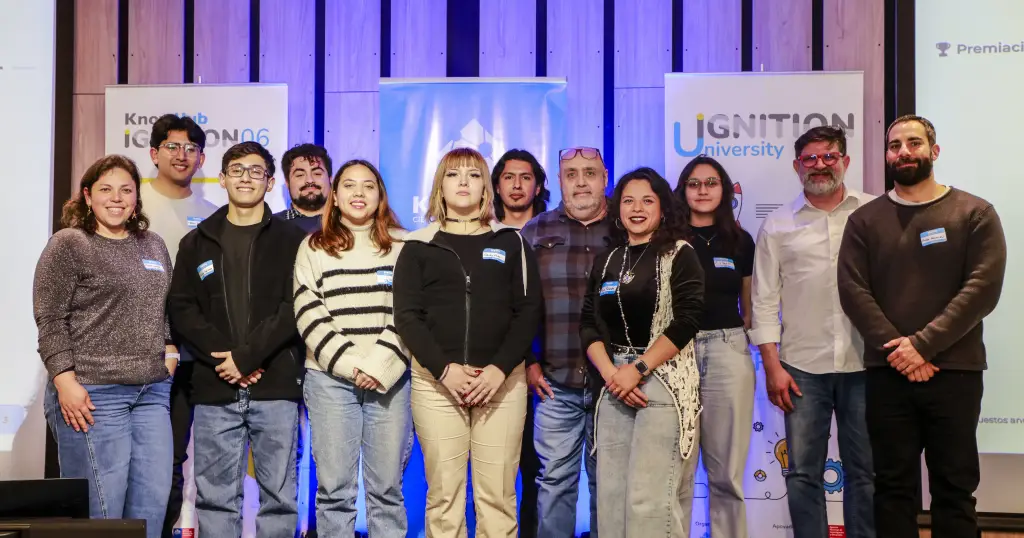
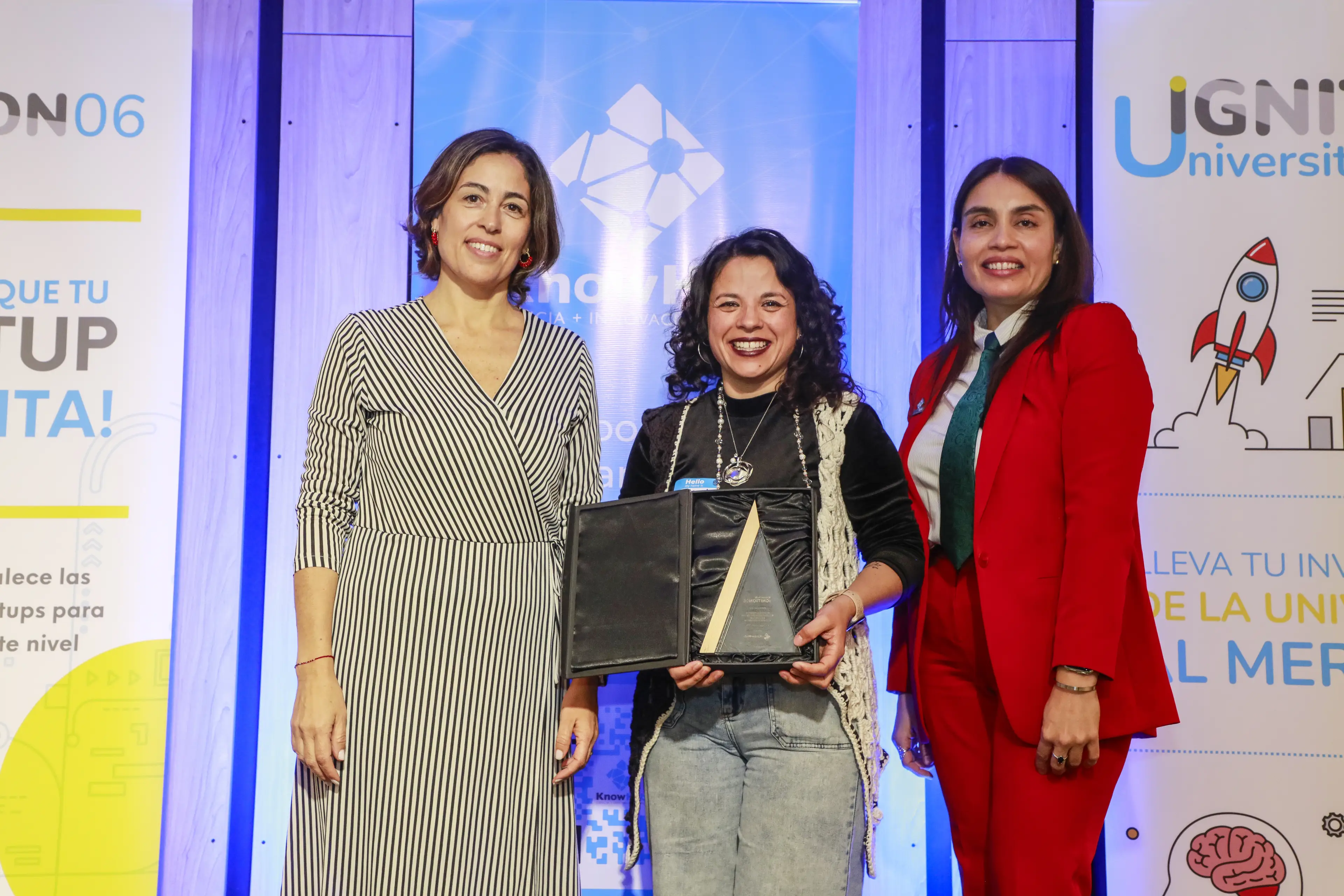
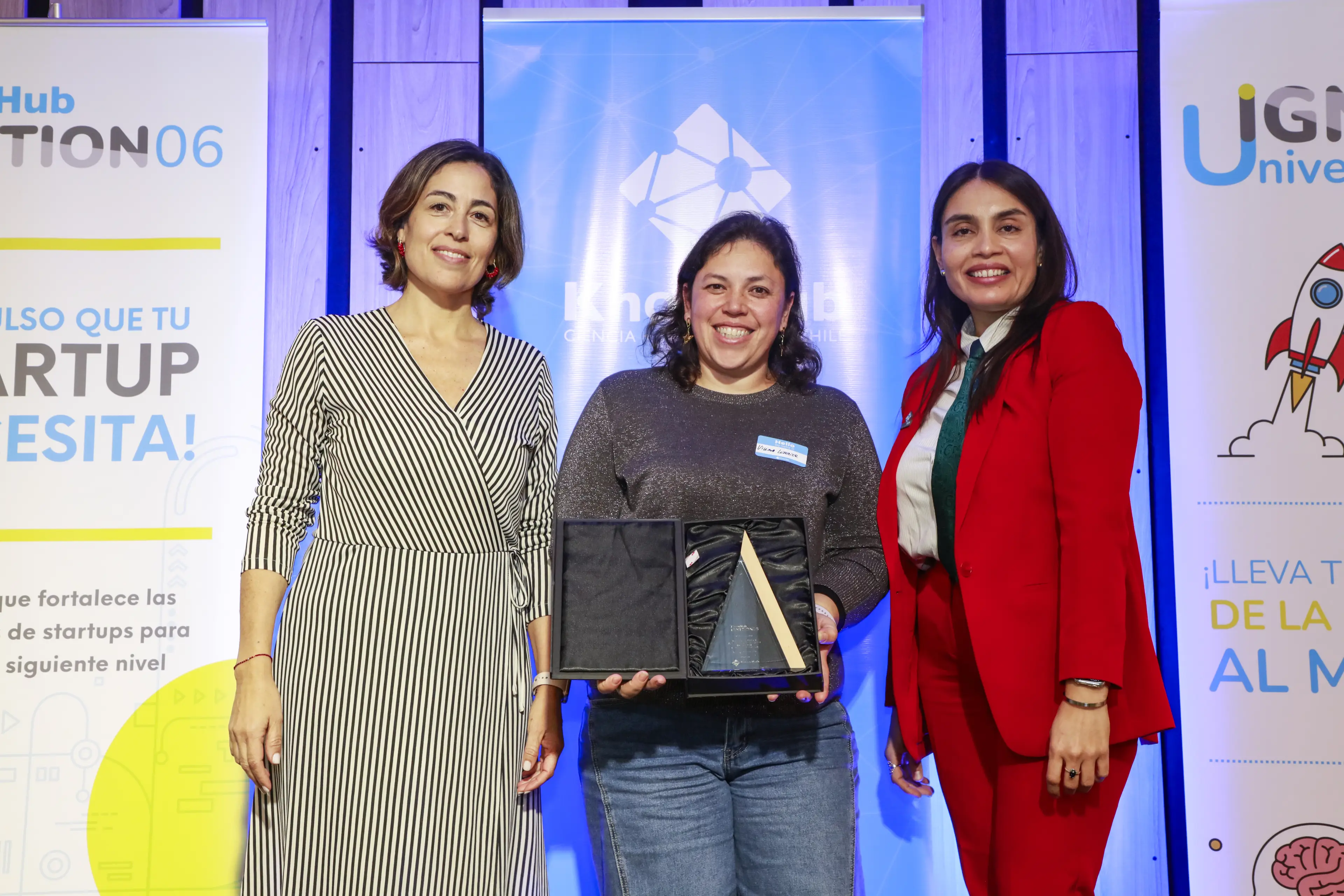
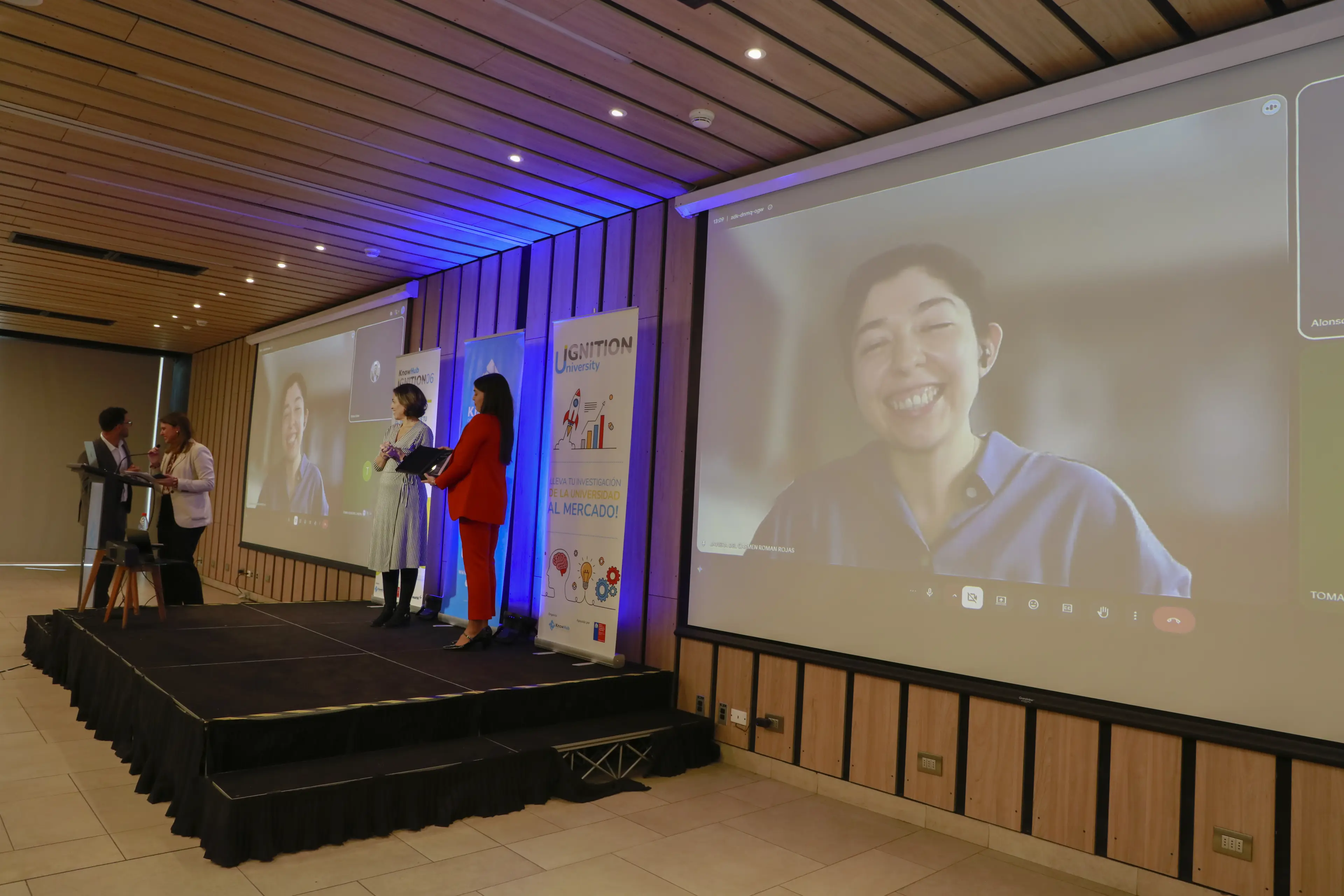
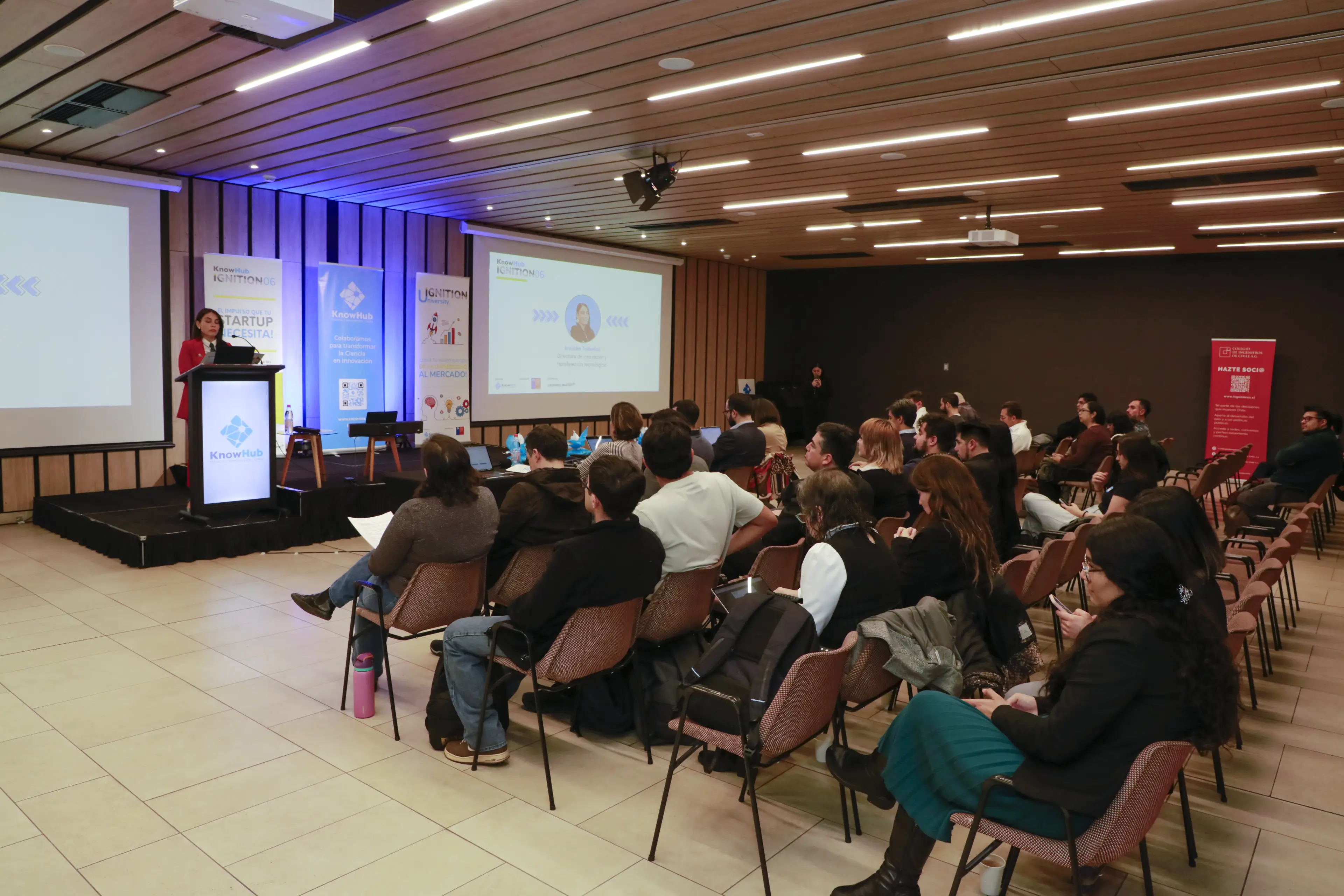
Altavitae, ChemiBosk, and MiniBiota were the winning startups in Know Hub Ignition 06, a program that has supported the development of science-based startups in the country since 2019.
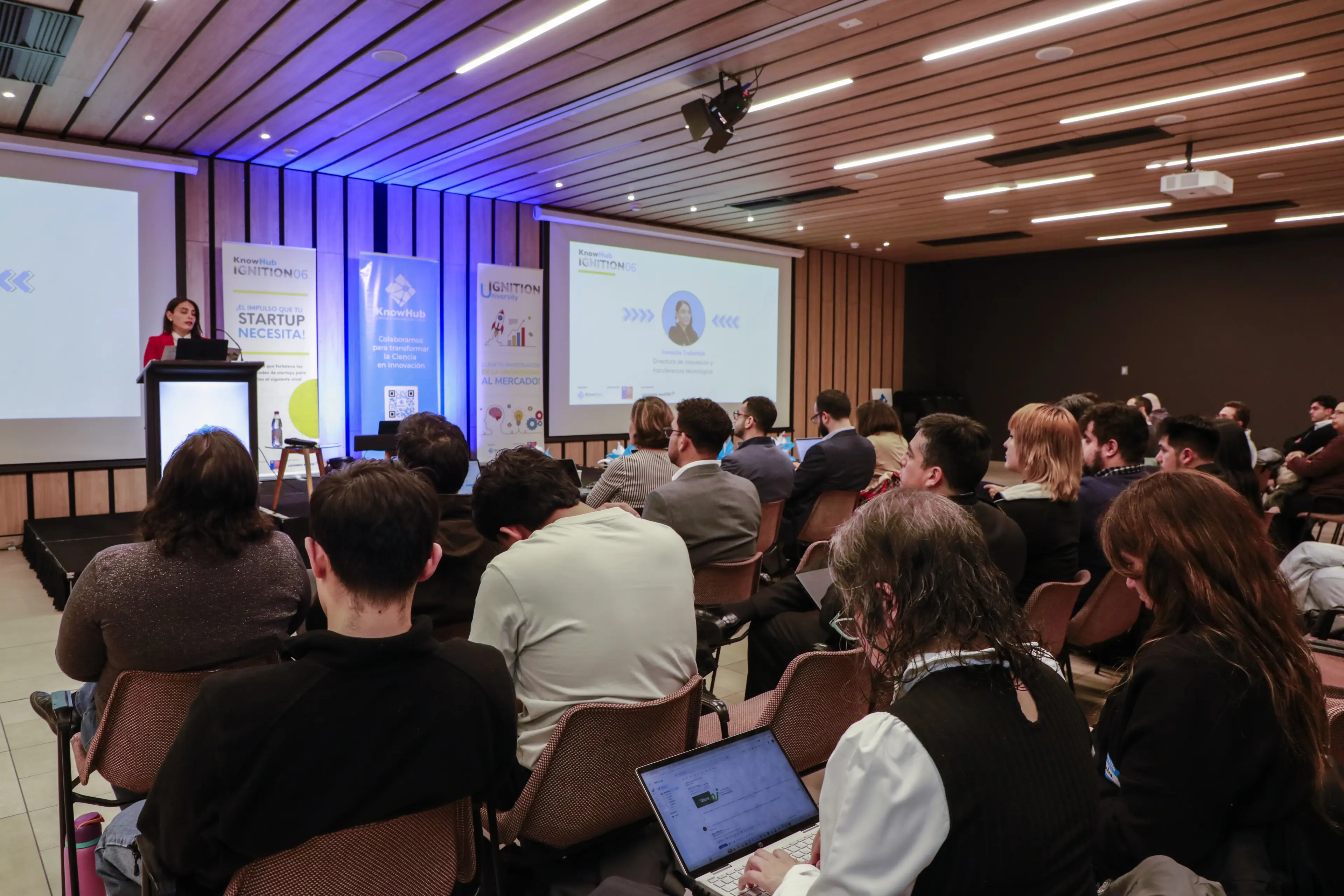
The sixth edition of Know Hub Ignition, a pioneering Know Hub Chile initiative to promote and advance science-based startups (EBCTs), concluded with the selection of its three winning projects: Altavitae, ChemiBosk, and MiniBiota. The selected teams will receive funding to carry out proof-of-concept tests, as well as technical support for managing intellectual property.
Developed with the support of the National Agency for Research and Development (ANID) and sponsored by Lockheed Martin, the program’s sixth edition included an intensive eight-week training course based on the Customer Discovery methodology. Through this process, researchers tested their scientific developments against the real-world demands of industry, validating their business models and strengthening their intellectual property strategies to turn cutting-edge science into sustainable economic development for the country.
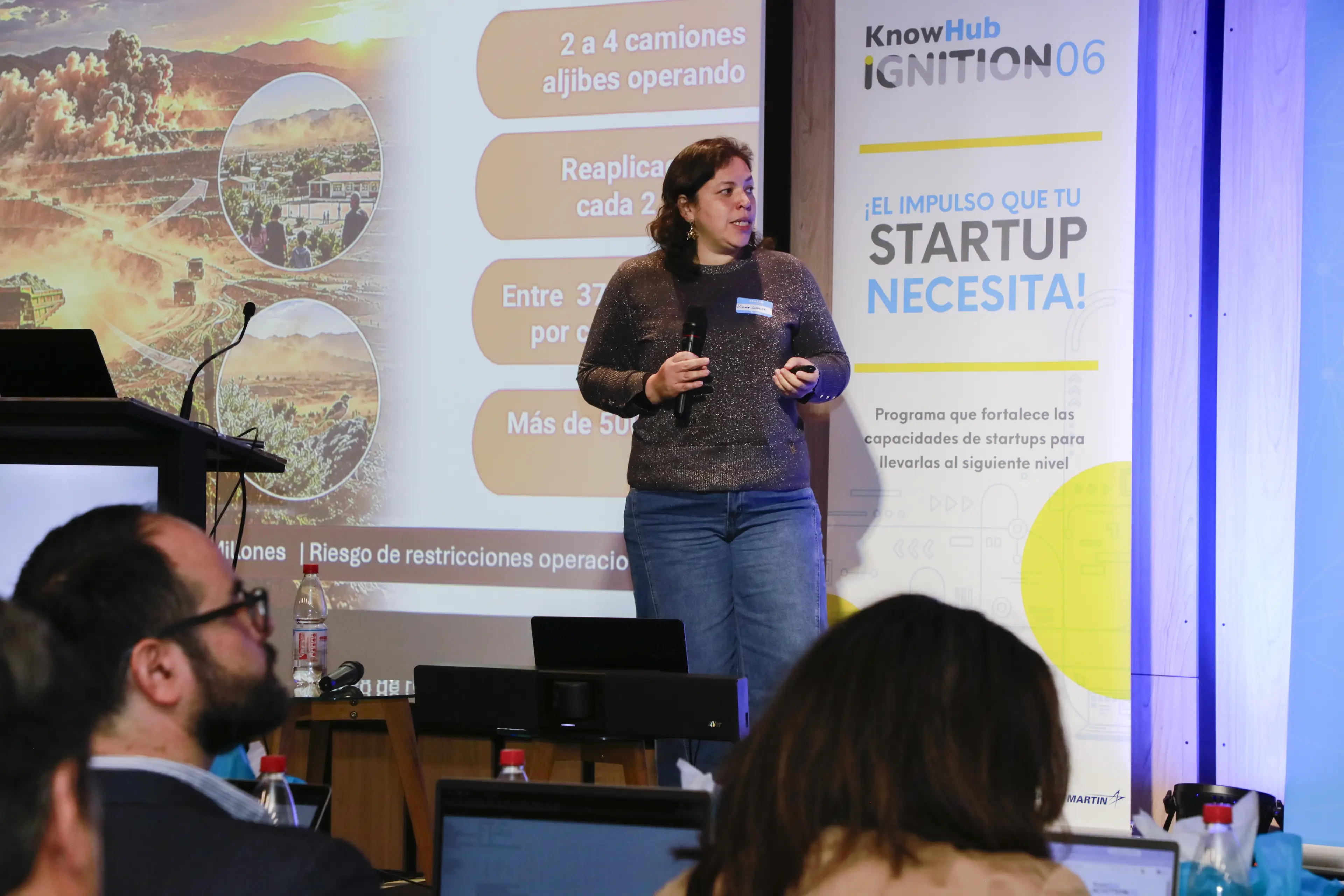
Among the winning teams is Altavitae, an initiative focused on reducing dust suspension on unpaved roads at mining operations. The technology uses stabilizing additives that retain soil moisture, reducing water consumption and increasing road safety on industrial routes. “The acceleration process allowed us to redefine our value proposition by engaging with mining industry operations,” says Viviana Letelier, a member of the Altavitae team.
In the food biotechnology category, the MiniBiota project was recognized for formulating a probiotic ingredient designed for the dairy industry. The innovation keeps beneficial strains stable during pasteurization and storage.
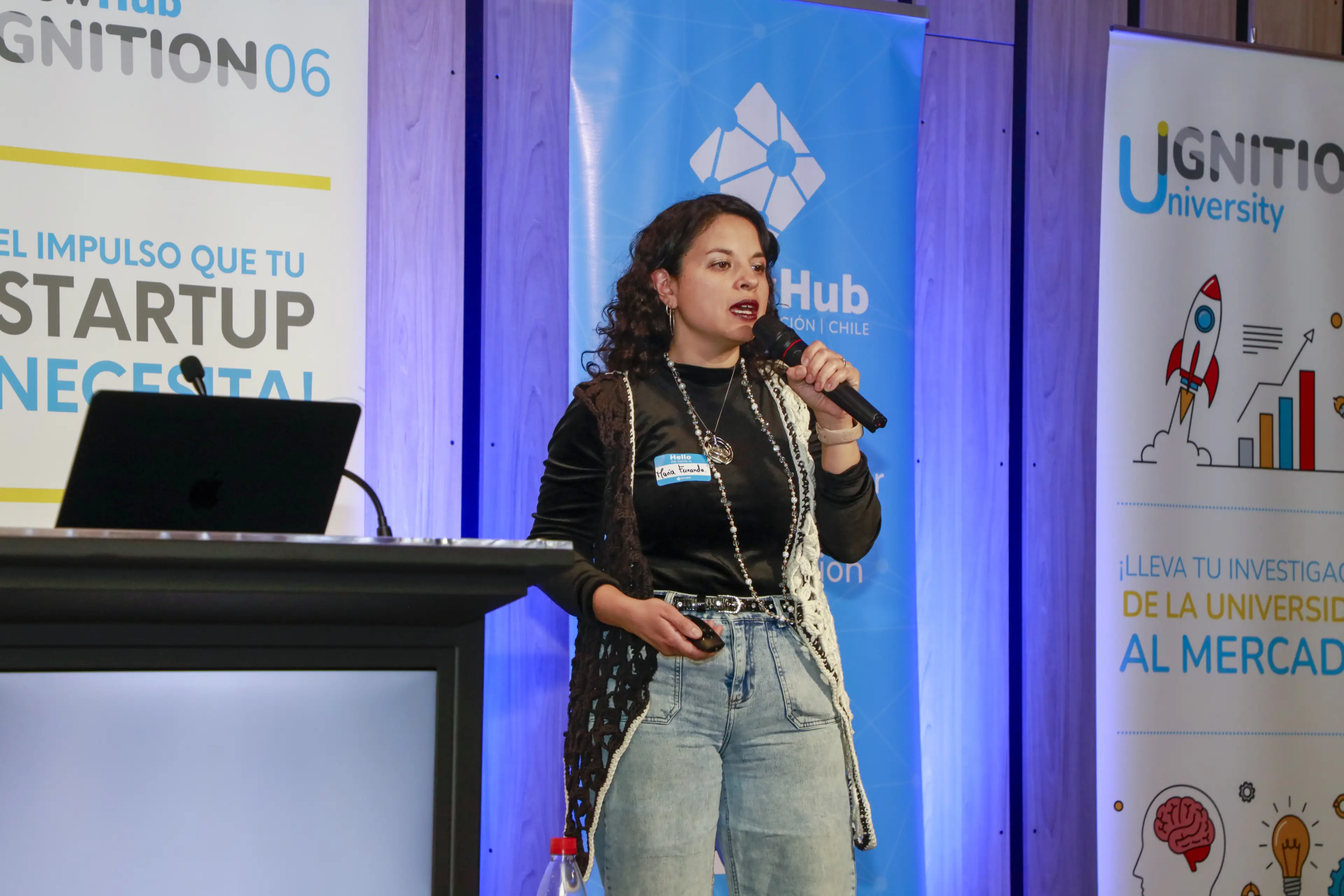
In the field of environmental monitoring, the ChemiBosk platform was recognized for its chemical analysis methodology using vegetation and wood to map the presence of metals in soil. “Validating our solution with customers confirmed the need for accurate data on environmental liabilities. This support will allow us to validate chemical mapping at operational sites,” explains María Fernanda Albornoz, founder of ChemiBosk.
EBCTs as a driver of development
Since its launch in 2019 and over the course of its six editions, the program has supported pioneering projects on their path to market, including Photio, a nanotechnology-based air-purifying additive; MOV, which created a sensory band to support people with visual impairments; Luyef, which produces lab-grown human collagen; and Bluera, with a development focused on the energy recovery of waste. These and many others show how applied science can become viable, sustainable businesses.
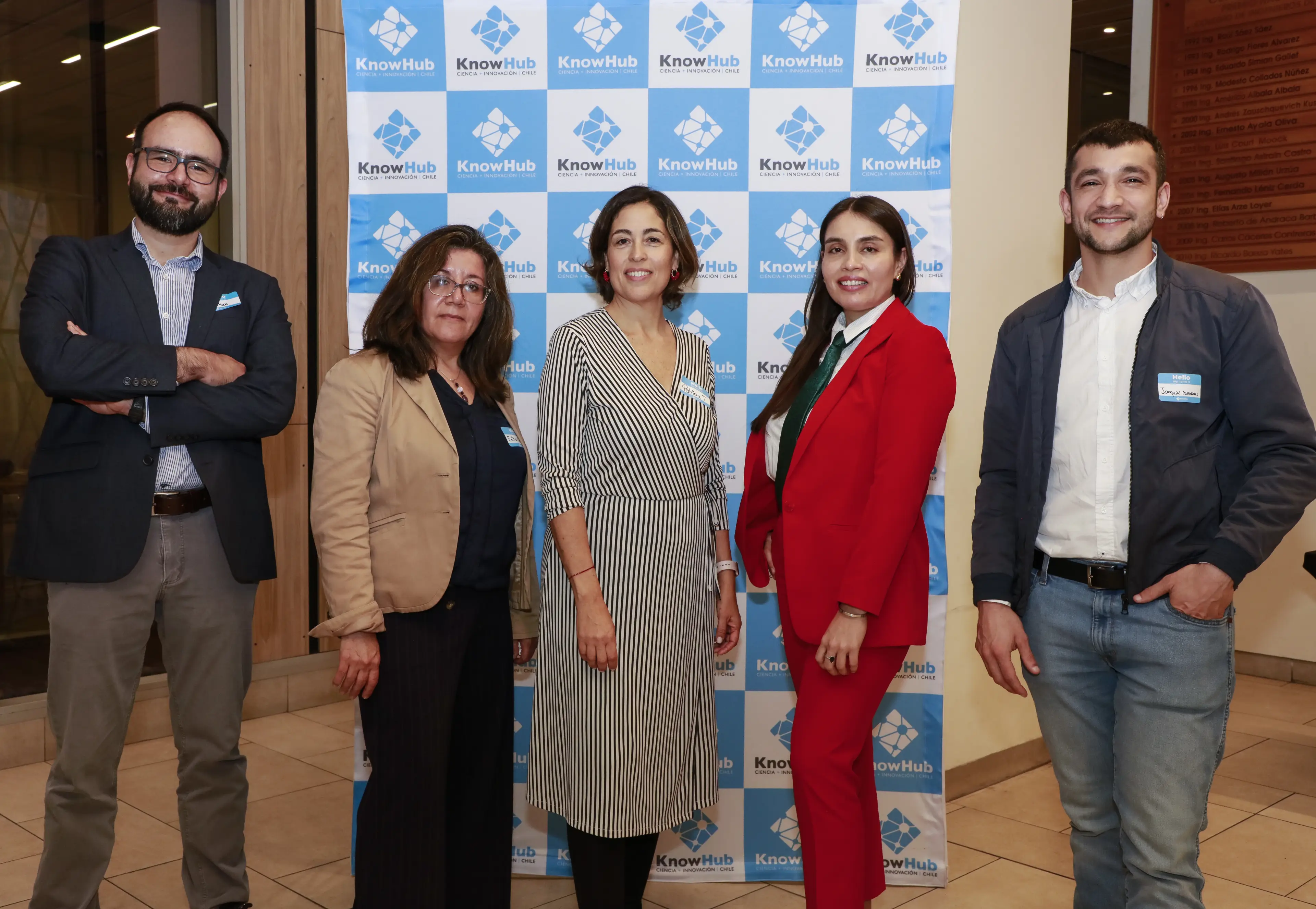
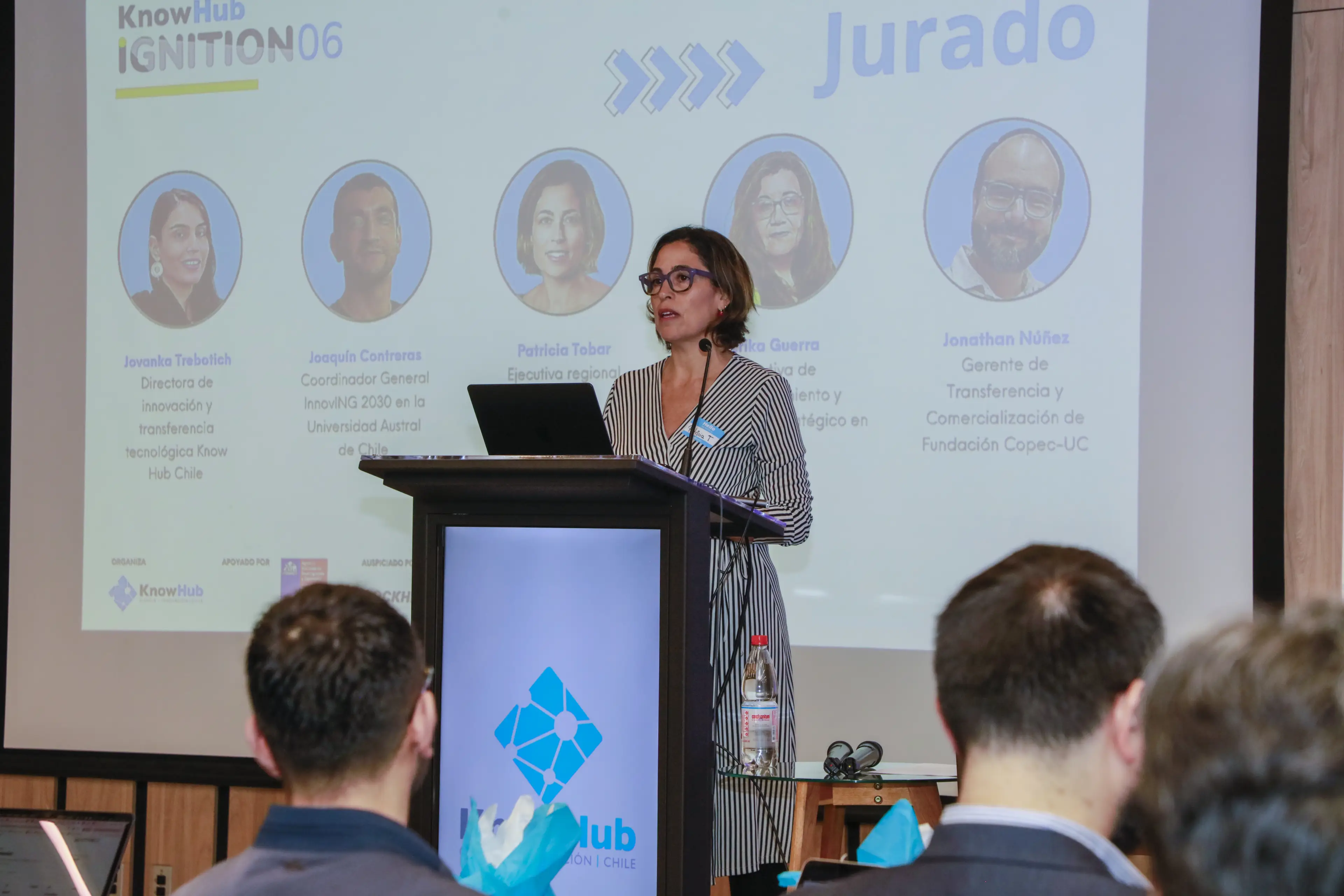
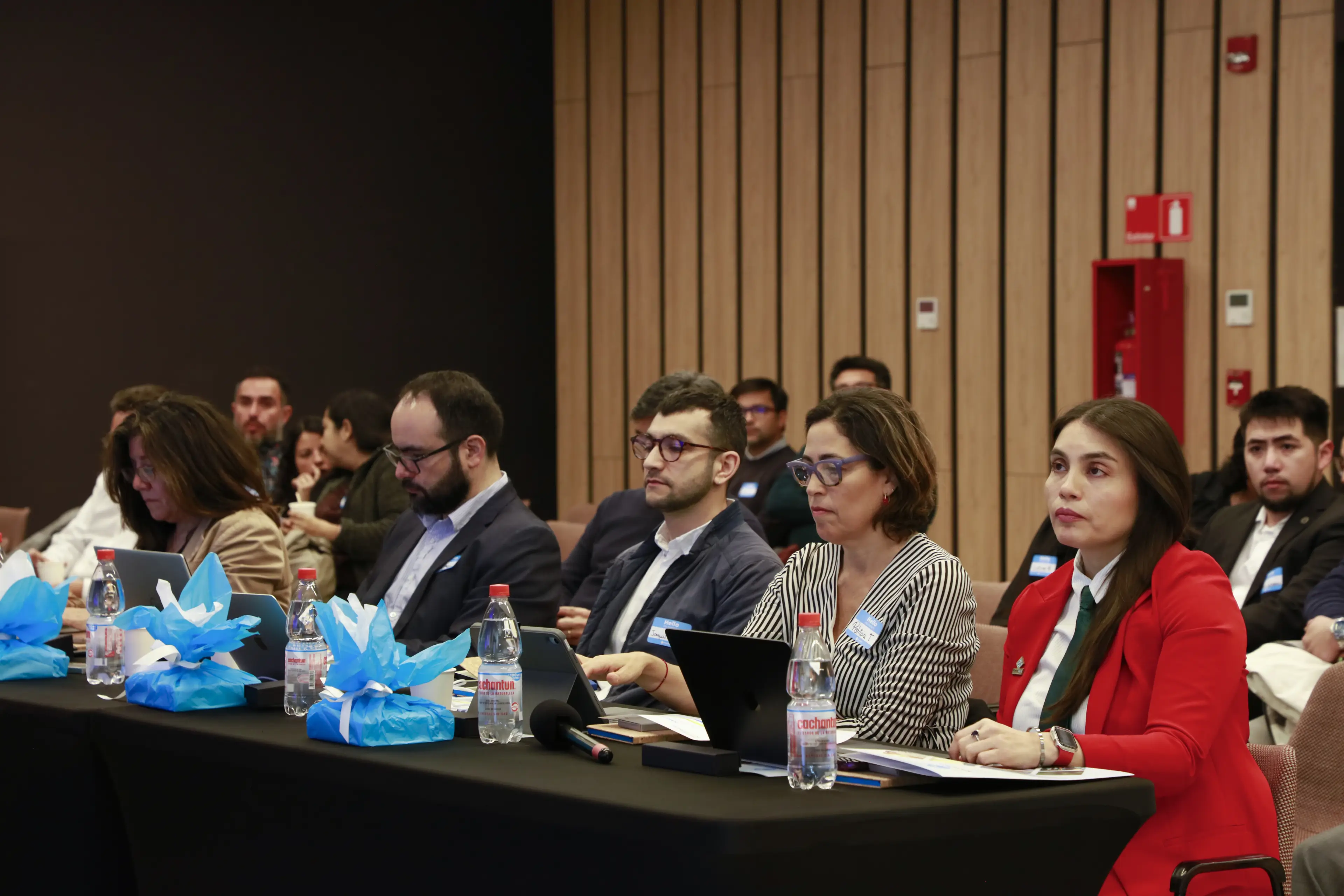
In this edition, the jury comprised Erika Guerra, Strategic Support and Monitoring Executive at the National Agency for Research and Development (ANID); Jovanka Trebotich, Director of Innovation and Technology Transfer at Know Hub Chile; Jonathan Núñez, Transfer and Commercialization Manager at Fundación Copec-UC; Patricia Tobar, Senior Manager Business Development at Lockheed Martin; and Joaquín Contreras, General Coordinator of InnovING 2030 at Universidad Austral de Chile.
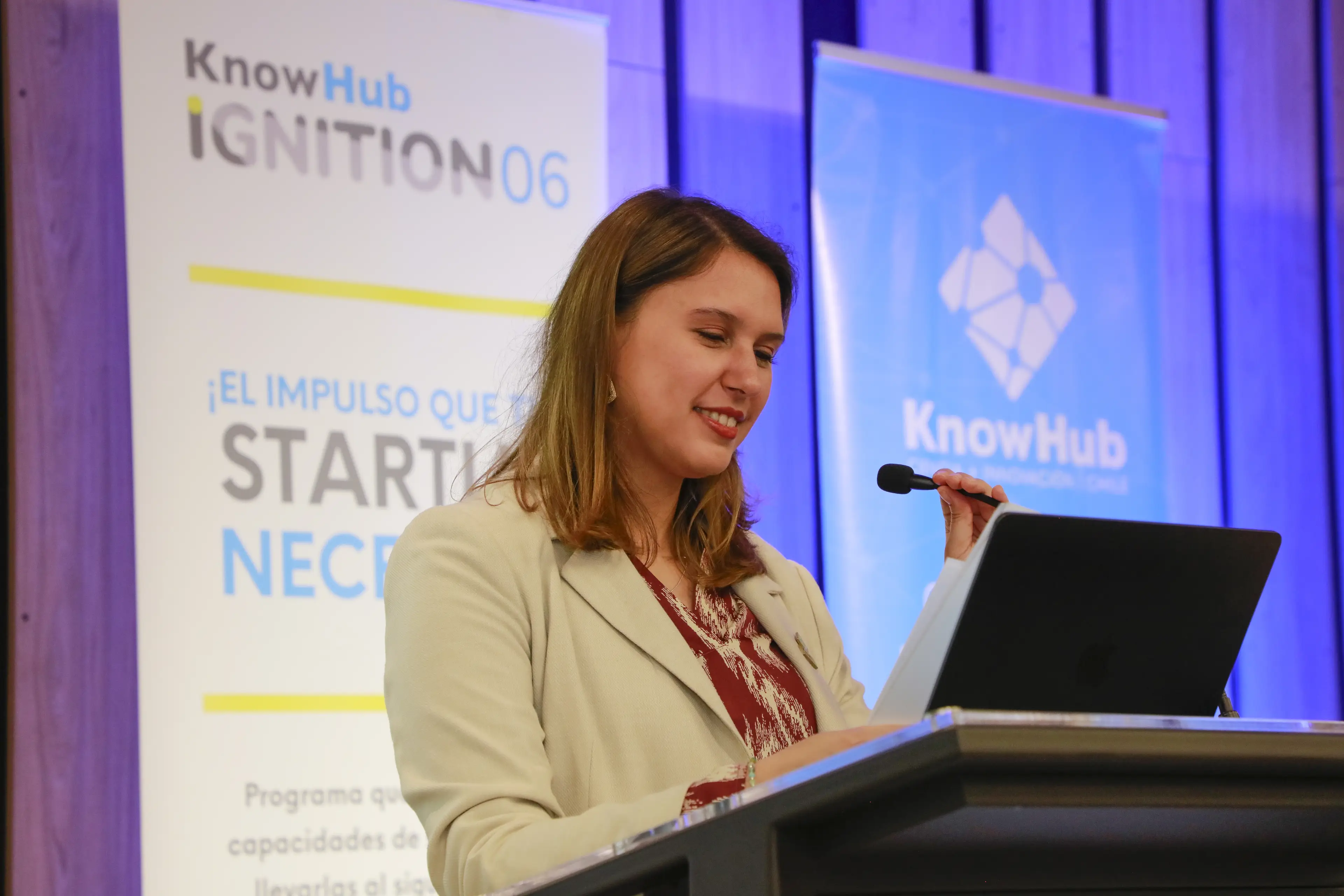
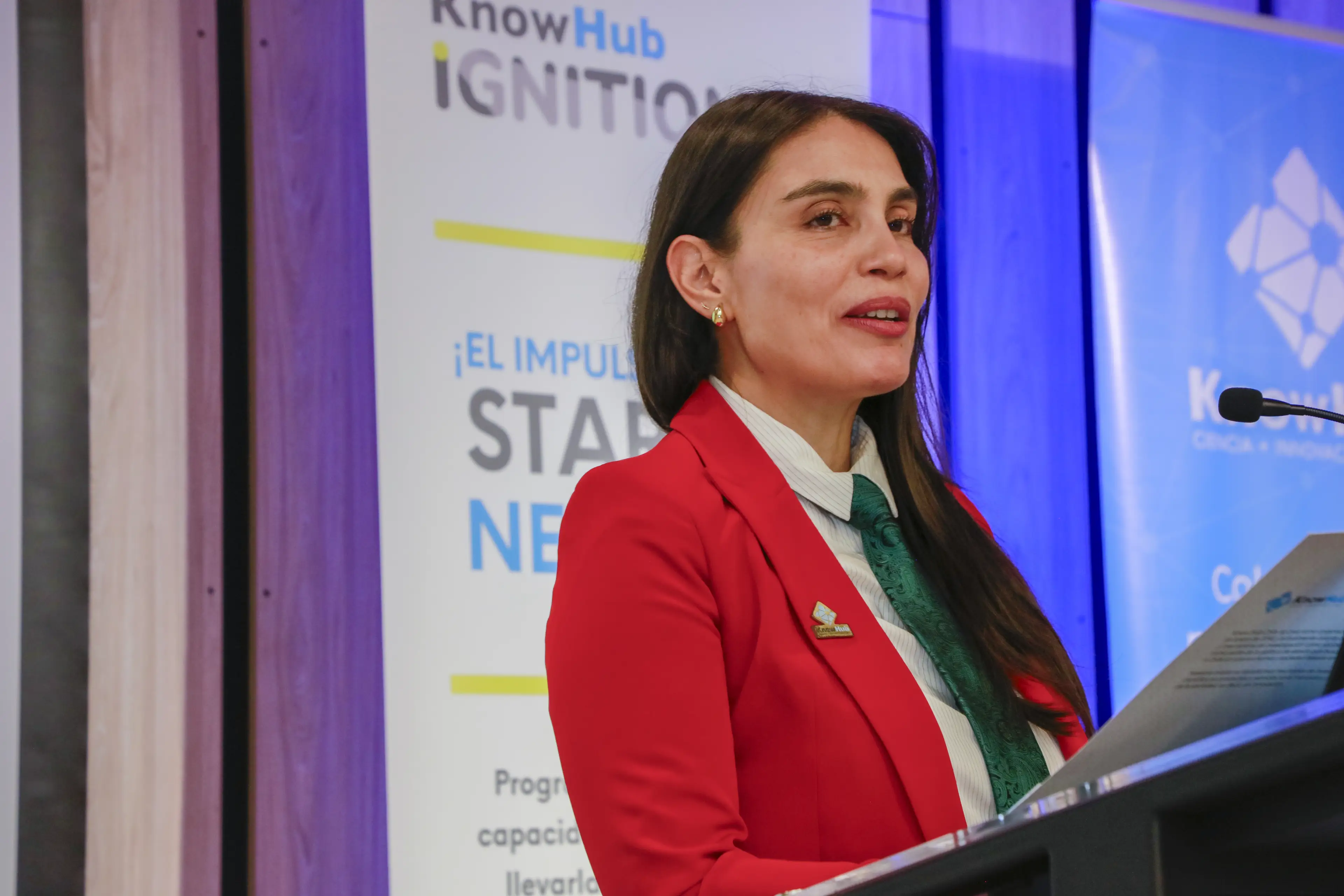
“The selected startups demonstrated technical rigor and the ability to adapt their solutions to the demands of the productive sector. Coordinated work between universities and industry is essential to turning knowledge into economic development,” says Jovanka Trebotich, Director of Innovation and Technology Transfer at Know Hub Chile.
Patricia Tobar, Senior Manager Business Development at Lockheed Martin, says that “supporting these kinds of initiatives allows us to identify advanced technological capabilities with the potential to scale in international markets.” She also notes that “the quality of the projects reflects the maturity of Chile’s entrepreneurial ecosystem.”
The Ignition 06 call for applications received 125 submissions from across the country. From an academic and regional perspective, Joaquín Contreras, General Coordinator of InnovING 2030 at Universidad Austral de Chile, highlights the call’s decentralized reach and its connections with universities: “The program strengthens the link between research generated in the regions and the country’s industrial needs. Technology transfer requires continuity to establish science-based businesses,” he says.