
International Day of Women and Girls in Science: what do the pay and gender gaps look like in the lab?

Know Hub News
· Santiago

According to a study, women researchers earn 11% less than their male peers. On the International Day of Women and Girls in Science, women leaders in STEM innovation emphasize the role of women in this field and the work still needed to level the playing field.
Source: La Tercera

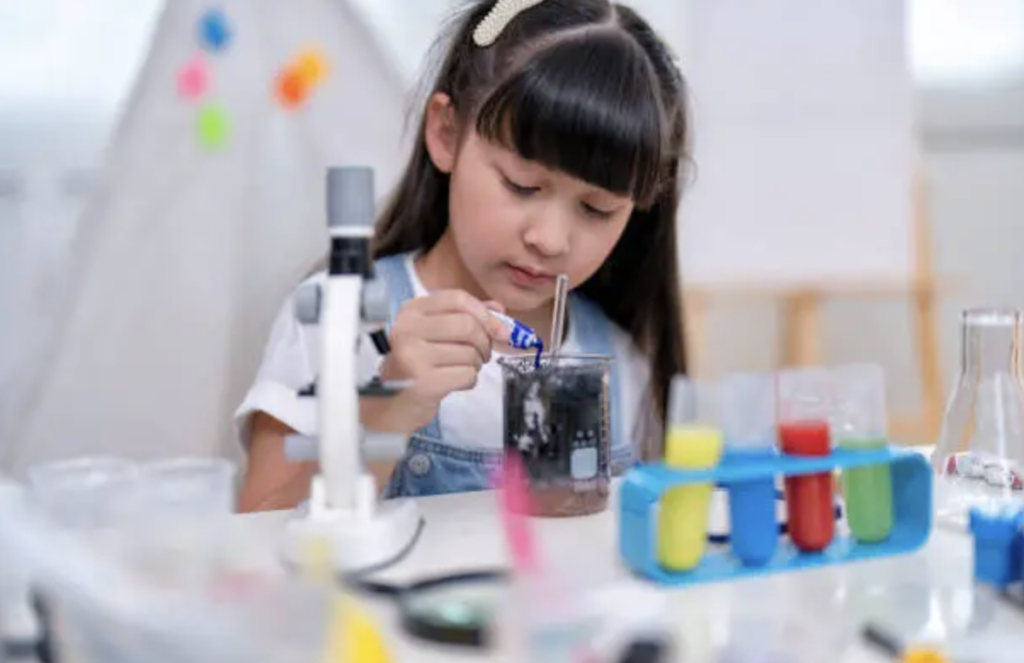
According to Unesco, less than 30% of the world’s researchers are women. On the International Day of Women and Girls in Science, observed every February 11, it is worth remembering the role women scientists play in the country and the adversities and challenges society faces in this area. But why and how did this day come about?
The day was proclaimed in 2015 by the United Nations General Assembly in order to achieve access, empowerment and equity in science for girls and women. The day, one of many fronts in the pursuit of gender equality, is a reminder that women and girls play a fundamental role in science and technology communities, so their active participation must be strengthened. So what about the inequality figures in Chile in this area?
According to the latest Summary of Results of the Supplementary Income Survey, from 2021, thegender gap in average income stood at -21.7% to the detriment of women. In addition, 50% of women received “a monthly income less than or equal to CLP 405,348, while for men it was CLP 500,000″, according to the document.
The dimensions of the gender gap are not limited to pay inequality; there are many other facets. In particular, in science there is a long list of areas for improvement in terms of gender equity, according to statistics released by the Undersecretariat of CTCI and produced by the ministry’s Studies and Statistics Unit.
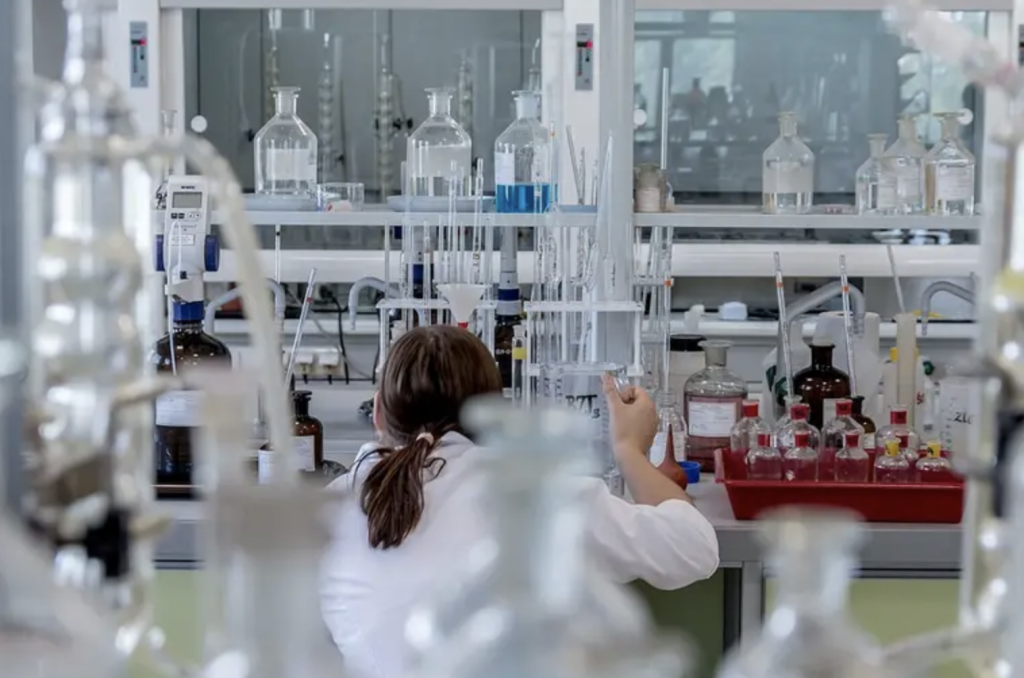
What does pay inequality in science look like? A study by the Ministry of Science, Technology, Knowledge and Innovation, titled “Assessment of gender gaps in the research career”, showed that women researchers in Chile are paid 11% less than their male peers for doing the same work.
The report considered factors such as age, length of time in research, academic productivity, previous FONDECYT and FONDEF awards, and the employer characteristics of researchers funded by those programs whose salary information is available in the database of the Solidarity Unemployment Fund Administrator.
Research activities
Other findings of the study on the research gap reveal that the picture is more complex in STEM fields, where the pay gap reaches 16% for women relative to men. In non-STEM fields the gap is -5%.
In turn, two employer characteristics mark this inequality: when women work for an employer outside the traditional education sector (-14%) and when the employer is located in the Metropolitan or Valparaíso Region (-10% and -12%).
The results are conclusive, the study details, and indicate that “with equal attributes between men and women, such as academic productivity and funding awarded to conduct research, women are paid a lower salary.”
The Technology Transfer coordinator at Know Hub Chile and member of the ScienceUP Advisory Board, Jovanka Trebotich, adds that there are gaps in STEM that still need to be narrowed and that were identified in the study. It shows that women researchers in Chile publish fewer scientific articles on average than men, along with the fact that the funding system for scientific research does not treat men and women equally. “There are various barriers that prevent women from advancing in the scientific research career. Women researchers earn 11% less than their male colleagues despite having the same years of experience, scientific productivity and public funding awards.”

Publication gap
Chile shows good quality standards in scientific publications internationally. This is reflected in the number of citations per publication per year. As of 2018, Chilean scientific articles were cited 3.7 times on average, compared with the OECD average of 3.8 times. “Considering that we have a small research community (1.1 people dedicated to R&D -Research and Development- per thousand workers), compared with the OECD average (8.6 people dedicated to R&D per thousand workers), it is very remarkable,” says Trebotich.
However, the Ministry of Science study indicates that women researchers in Chile publish fewer scientific articles on average than male researchers. The study infers that “there is a real difficulty in reconciling academic activities with caregiving responsibilities, a tension that generally coincides with the start of the academic career, when scientific productivity should be maximized in order to access funding to lead research projects.”
For Jazmine Maldonado, director of Innovation at the Millennium Institute for Foundational Research on Data, “although we have recently seen significant progress, especially thanks to incentives focused on leadership and on including women in research and entrepreneurship projects, the gap is still visible in all areas of research and scientific development.”
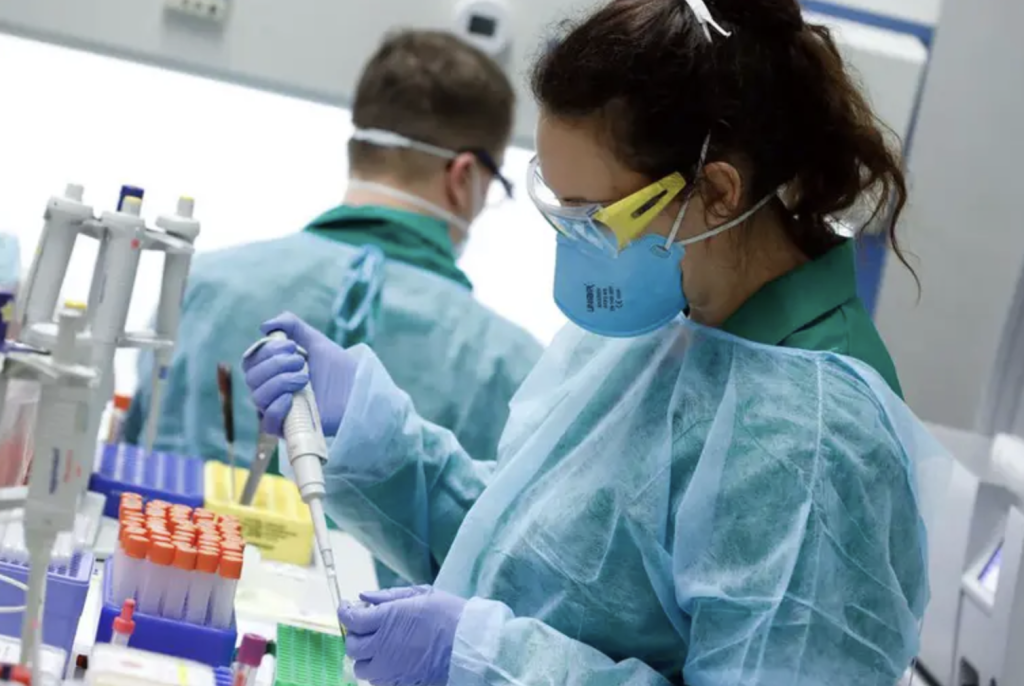
The gender gap in STEM must be tackled bearing in mind that it is a cyclical, self-reinforcing problem, Maldonado says. “We need to find ways to bring more women into STEM from childhood and also keep them there throughout their careers. Programs like Niñas Pro, which encourage schoolgirls to explore new fields, or gatherings like ChileWiC, have produced very positive results: we know how important it is to build community among ourselves. We are also very aware of representation, of other women and girls seeing that we are here and that these are careers that may interest them and in which they can grow.”
“We must also keep improving the number of scientific articles published by women, the equitable career progression of women researchers in universities and research centers, support for increasing women-led ventures, and women’s participation in the labor market and in knowledge-intensive sectors such as technology, innovation and tech entrepreneurship,” Trebotich concludes.
The role of women in science
On the prejudice faced by young women who pursue science, 2022 STEM entrepreneur award winner Bernardita Díaz explains that the idea of jobs for men or for women is a myth. It seems obvious, but she says she has sometimes been told she does a good job encouraging girls to study “men’s careers”. That does not exist: “No career has a gender,” she clarifies.
Díaz, who is also CEO of Sustrend Lab, is emphatic about many things, but one above all: the role women play in science is fundamental.
“Women in science are truly key to understanding the development of new projects, whether technological or innovation-driven. They are essential for successful companies and for developing organizational culture,” she says, and not only that: diversity and different perspectives are indispensable in institutions. Along these lines, she explains that it is important to encourage new generations, because the challenge lies mainly in older or more archaic institutions.
She gives the example of something that happened when she and a younger colleague were presenting at a meeting. An older person addressed her colleague as if he were the one leading the project, when Díaz was in charge. The CEO says that, unfortunately, there are places where “men only listen to each other”, and that there is a barrier that forces women to enter the field strategically.
However, it is not all challenges and adversity. Taking a broad view, the entrepreneur notes that new generations are very clear about one thing: “A young woman once told me ‘I don’t know what I want to do, but I know what I don’t want’”. She maintains that it is essential for mothers, fathers and institutions to promote science instead of imposing barriers, because it fuels girls’ empowerment. A time will come when women no longer face that limit to pursuing science, she concludes.