Know Hub Chile and UNAB complete pioneering program that brought science-based innovation into doctoral training

Know Hub News
· Santiago

Over four intensive sessions, the program introduced key tools for taking doctoral research toward concrete applications, strengthening researchers’ capacity to generate impact beyond the lab.
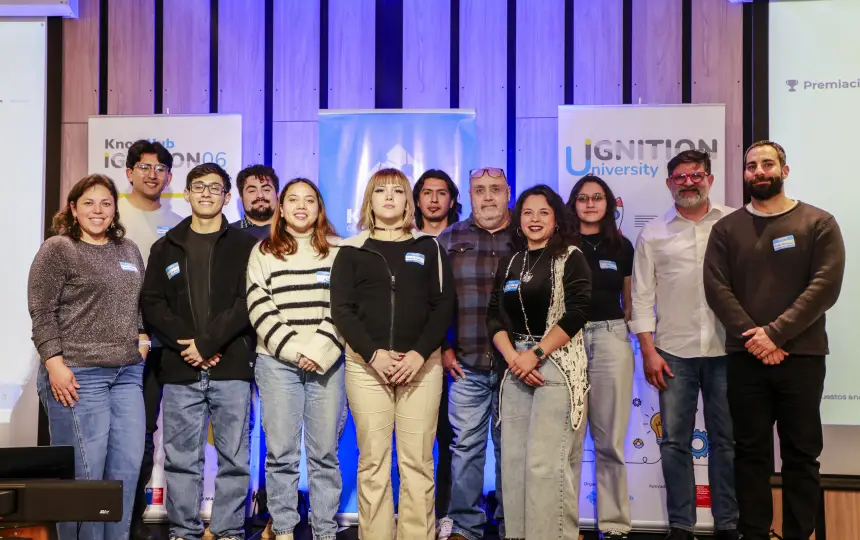
Know Hub Chile and Universidad Andrés Bello (UNAB) successfully concluded the course “Introduction to Science-Based Innovation”, a first-of-its-kind initiative that brought technology transfer, innovation and science entrepreneurship into doctoral training, with the aim of connecting academic research with the country’s real challenges.
The program was held in person at UNAB’s Campus República in Santiago and brought together doctoral students from a range of disciplines, including biotechnology, nursing, biosciences, translational dentistry, rehabilitation, education and the humanities.
Across four sessions (16 teaching hours), the course combined intensive classes, applied workshops and specialized mentoring with national and international experts, enabling students to identify opportunities to apply their research, understand intellectual property protection processes, recognize technology transfer pathways and build evidence-based value propositions.
“For doctoral training, a course in this area is vital, because it broadens students’ view of how they can contribute to the country through their research,” said Erika Poblete, Academic Director of Doctoral Programs at UNAB.
Science with purpose and impact
The course was designed on the premise that doctoral training can extend beyond academic publishing, incorporating skills for innovation and knowledge transfer. Students worked on real cases and reflected on how their research could scale toward concrete applications.
As a final milestone, each team developed a capstone project and delivered an academic-technology pitch to a panel of mentors, simulating real processes of engagement with the innovation ecosystem and receiving direct feedback on their proposals.
“It is very important to work with doctoral programs, because that is where you find future science entrepreneurs capable of solving industry problems. This collaboration with the university and the Ciencia 2030 program allows us to establish a methodology that is closer to doctoral programs and to strengthen science and technology entrepreneurship as a way to develop new science-based products and processes,” said Óscar Astudillo, Strategic Alliances Manager at Know Hub Chile.
UNAB and doctoral training for innovation
For UNAB, the course marked an important step toward doctoral training more closely aligned with the country’s innovation and development challenges, fostering interdisciplinary work and strengthening key skills for knowledge transfer.
“We are very pleased to have been able to offer this training opportunity to the students in our doctoral programs, who had a first approach to innovation tools, acquiring skills that allow them to add value to the technologies they are developing and plan their transfer to society, with a direct impact on the well-being of communities,” said Jorge Carpinelli, Director of Innovation and Technology Transfer and of UNAB’s Ciencia e Innovación 2030 Project.
Participants valued the opportunity to bring innovation tools into their doctoral journey and to explore new ways to boost the impact of their research.
“This course helped me clarify how to move forward with transferring health innovations and understand that research is not enough if that knowledge does not reach those who need it,” said Blanca Troncoso, a student in UNAB’s Doctorate in Nursing Sciences and a course participant.