
Know Hub completes successful training on creating EBCTs under the Ciencia 2030 program with the Universidad de Chile

Know Hub News
· Santiago

The program is part of Know Hub Building, an initiative that aims to strengthen the institutional capacities of Know Hub’s partners in innovation.
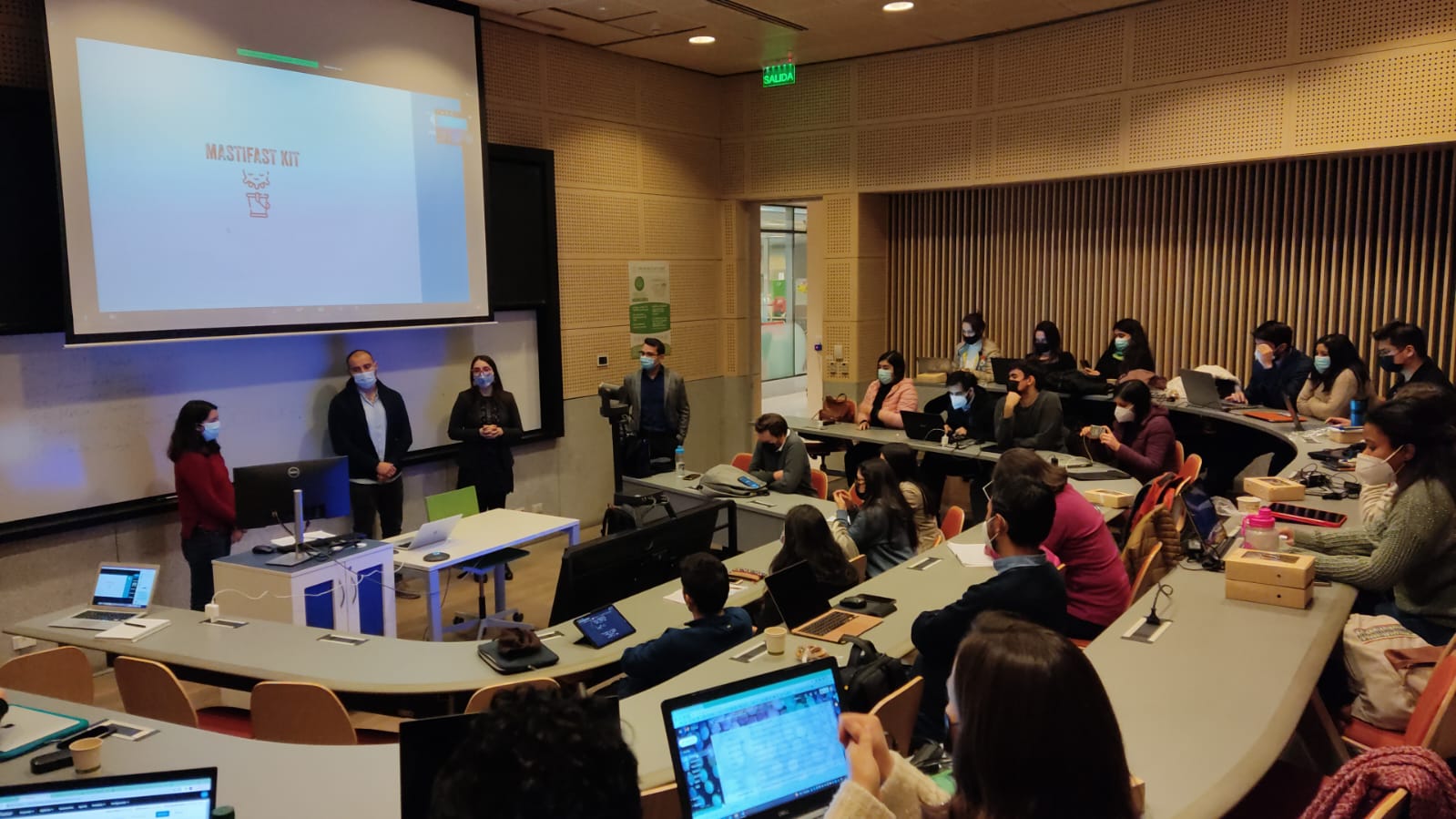
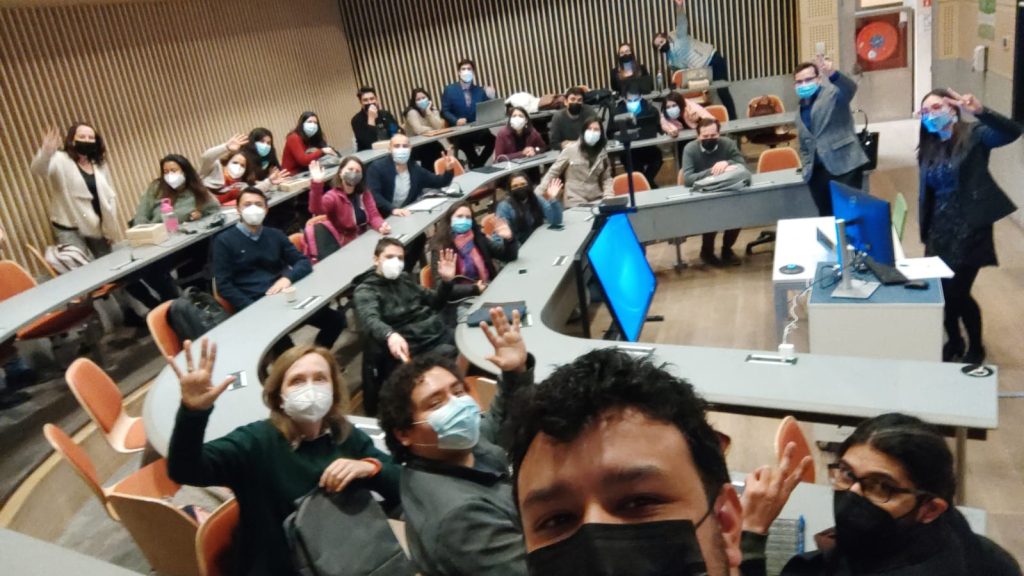
On Tuesday, July 19, the Innovation and Entrepreneurship Leveling Program that Know Hub delivered at the Universidad de Chile came to an end. Over ten weeks, in eight theory-and-practice classes and two in-person sessions, researchers, academics and graduate students from Agronomic Sciences, Chemical and Pharmaceutical Sciences, Veterinary and Animal Sciences and other areas of the university gained knowledge and tools to identify challenges and seek solutions based on the context in which they work.
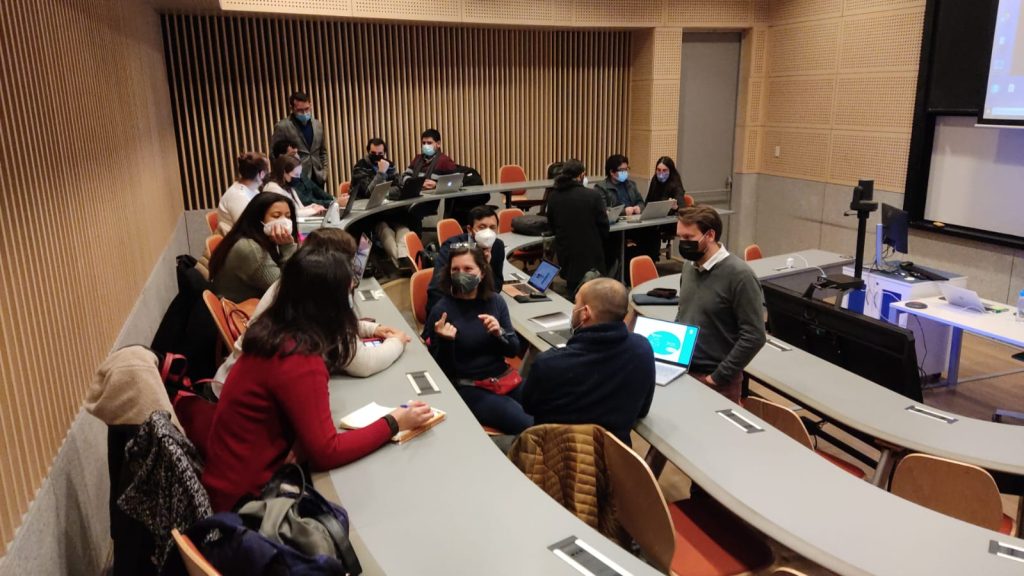
Participants learned about a range of topics, such as technology transfer models and mechanisms, the fundamentals of science- and technology-based entrepreneurship, Go to Market strategy and science communication. They also engaged with the Customer Discovery methodology in order to incorporate the perceptions of potential customers or beneficiaries of their technology proposals.
In the final session, the participants, divided into six teams, gave a presentation in which they applied and integrated all the knowledge covered throughout the program. The Know Hub team provided the feedback needed to reinforce the concepts each group required.
The Innovation and Entrepreneurship Leveling Program with the Universidad de Chile is part of Know Hub Building, an initiative that aims to strengthen the institutional capacities of Know Hub’s partners in innovation, as well as to develop capabilities in managing research results and intellectual property, integrate technology transfer best practices, build culture, and support the creation and growth of technology-based ventures.
The Executive Director of Know Hub Chile, Javier Ramírez, highlights that the program gave researchers, academics and students at the Universidad de Chile “support, training and tools related to technology transfer for achieving R&D results with a focus on innovation.” These contributions, Ramírez adds, “give them a first approach to topics that can be useful to them, from taking a new approach to their project applications to taking the plunge and creating their own science- and technology-based venture.”
The Ciencia 2030 program
Driven by CORFO, Ciencia 2030 is part of the Universidad de Chile’s mission to bring academic knowledge closer to the public through technologies and services that improve their quality of life in various areas.
With the support of the Office of the Vice Rector for Research and Development (VID), the first stage of this initiative concluded with a diagnosis and the design of a strategic plan to support the work of the faculties of Sciences, Chemical and Pharmaceutical Sciences, Veterinary and Animal Sciences, and Agronomy, which account for 30% of the regular Fondecyt and Fondef grants awarded to the institution and, together, triple the University’s average number of academic scientific publications.